LLM-Powered Website Summaries
Introduction to Large Language Models
What Is a Large Language Model?
A Large Language Model, or LLM, is a type of artificial intelligence designed to understand and generate human-like text. Think of it as an incredibly advanced autocomplete. But instead of just suggesting the next word, it can write entire paragraphs, answer complex questions, translate languages, and even write computer code.
The “large” in the name refers to two things: the immense amount of text data it's trained on (think a significant portion of the internet) and the huge number of parameters it has. Parameters are like the internal knobs and dials the model uses to make decisions. The more parameters, the more nuanced and sophisticated its understanding of language can be.
The core purpose of an LLM is to process an input (a prompt) and generate a relevant, coherent, and useful textual output.
The Engine Inside: Transformers
Modern LLMs owe their power to a groundbreaking architecture called the Transformer, introduced in 2017. Before Transformers, AI models struggled with understanding the context of long sentences. They would often forget the beginning of a sentence by the time they reached the end.
The Transformer solved this with a mechanism called attention. Attention allows the model to weigh the importance of different words in the input text when generating an output. It can “pay attention” to the most relevant parts of a sentence, no matter where they are. For example, in the sentence, “The dog, which was chasing a squirrel, barked loudly,” the attention mechanism helps the model understand that it was the dog that barked, not the squirrel.
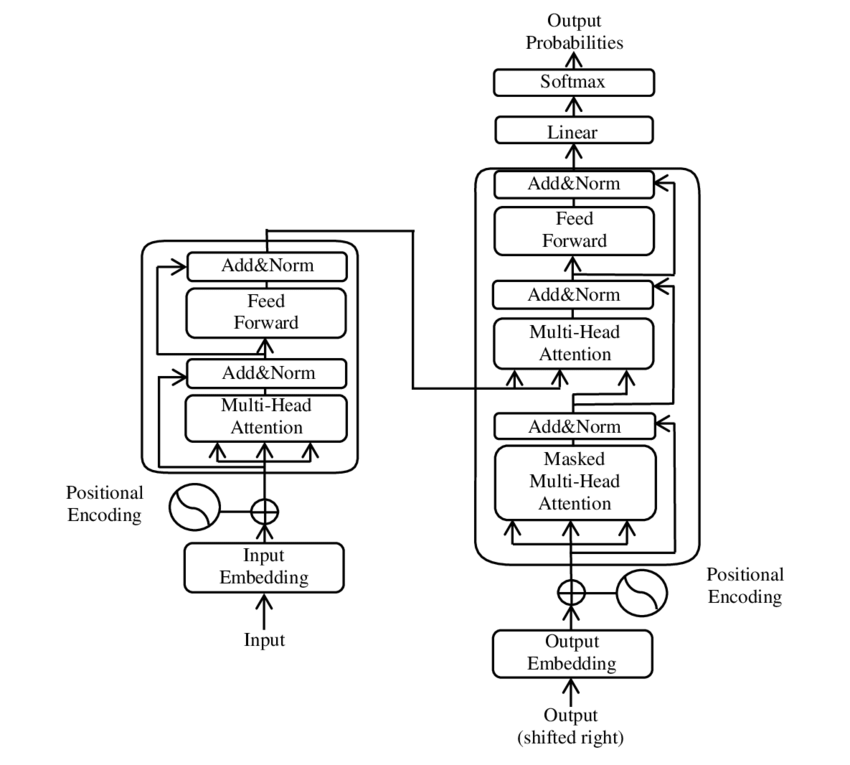
This ability to handle long-range dependencies and context is what makes LLMs so capable. They don’t just see a string of words; they see the relationships between them.
How an LLM Learns
Training an LLM is a massive undertaking. It starts with a huge dataset containing text from books, articles, websites, and code repositories. The model is then tasked with a simple, repetitive goal: predict the next word in a sequence. For instance, given the phrase “The quick brown fox jumps over the…”, the model tries to predict “lazy”.
It makes a prediction, compares it to the correct answer, and adjusts its internal parameters to get closer to the right answer next time. This process is repeated billions or even trillions of times across the entire dataset. Through this self-supervised learning, the model gradually builds a complex internal representation of language, including grammar, facts, reasoning abilities, and even stylistic tones.
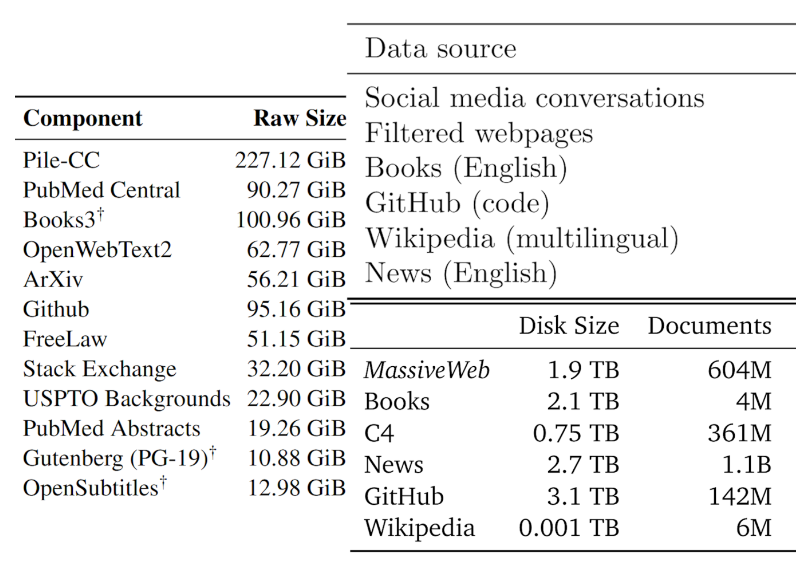
After this initial pre-training, many models undergo a fine-tuning phase where they are trained on a smaller, higher-quality dataset to align them with specific tasks or to make them safer and more helpful. This often involves human reviewers who rate the model's responses, providing feedback that helps refine its behavior.
Common Applications and Ethical Speed Bumps
LLMs are not just a research curiosity; they power a growing number of real-world applications. Some common uses include:
- Content Generation: Writing emails, articles, marketing copy, and social media posts.
- Summarization: Condensing long documents or articles into key points.
- Translation: Translating text between different languages.
- Chatbots and Virtual Assistants: Powering conversational agents that can answer questions and perform tasks.
- Code Generation: Assisting developers by writing or debugging code snippets.
However, this powerful technology comes with significant ethical considerations. Because LLMs are trained on vast, unfiltered data from the internet, they can reflect and amplify existing biases related to race, gender, and culture. There's also the risk of generating misinformation, or what's often called “hallucination,” where the model confidently states incorrect facts.
Ensuring fairness, transparency, and accuracy in LLMs is a major ongoing challenge. Developers and users alike must be mindful of these limitations and use the technology responsibly.
The quality of an LLM's output is heavily dependent on the quality and diversity of its training data. Biased data leads to biased results.
Now that you have a grasp of the basics, let's test your knowledge.
What does the “large” in Large Language Model primarily refer to?
The groundbreaking Transformer architecture, introduced in 2017, gave modern LLMs their power by solving the problem of understanding context in long sentences. What key mechanism did it introduce?
Understanding what LLMs are, how they work, and their potential applications is the first step toward leveraging them effectively and responsibly.