LLM-Powered Generative Engine Optimization for VC
Introduction to Generative Engines
What Are Generative Engines?
Most computer programs follow instructions. They do exactly what they're told, step-by-step. Generative engines are different. Instead of just following a script, their main job is to create something entirely new.
Generative AI refers to a type of artificial intelligence whose core function is to create new content—text, audio, images, video, or data—based on patterns it has learned from existing data.
Think of it this way. A standard program is like a calculator: you input , and it follows a rule to give you . A generative engine is more like a musician who listens to thousands of songs, learns the patterns of melody and harmony, and then composes a new piece of music. It doesn't just copy; it creates based on what it has learned.
This ability to generate original content is what separates these systems from other forms of AI that might only classify information or identify objects in a photo. Generative engines are creators.
How They Work
At their core, generative engines are pattern-matching machines. They are trained on enormous datasets—for example, all the text on the internet, millions of images, or countless hours of music. During this training process, the engine's underlying models and algorithms learn the statistical relationships and structures within the data.
It learns what makes a sentence grammatically correct, what makes a face look like a face, or what makes a melody sound pleasant. It's not learning facts in the way a human does, but rather the deep-seated patterns and probabilities. Once trained, it can use this knowledge to generate new content that follows the same patterns.
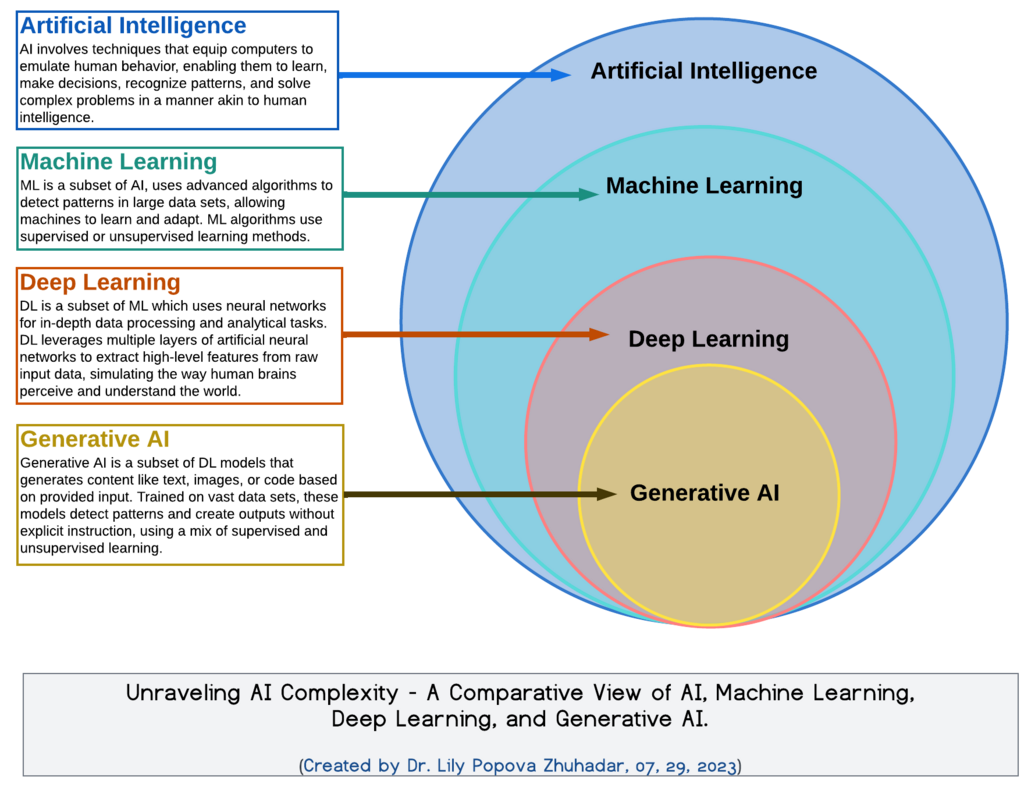
The “engine” part refers to the complex system that makes this happen. It includes the data, the algorithms that learn from the data, and the final model that can be prompted to generate an output. It’s a sophisticated process that turns pattern recognition into a creative act.
A Quick History
The idea of machines that create isn't new, but the technology has come a long way. Early systems were very simple and rule-based. Think of early chatbots from the 1960s, like ELIZA, which used scripts and keyword matching to simulate conversation. If you said “I'm sad,” it might be programmed to respond with “Why are you sad?” It was clever, but it couldn't create anything truly original.
Over time, these engines became more sophisticated. They started using statistical methods to generate text that was more plausible, but often nonsensical. The real breakthrough came with the rise of machine learning and, specifically, deep learning. By using neural networks—systems loosely modeled on the human brain—engines could learn much more complex patterns from data than ever before.
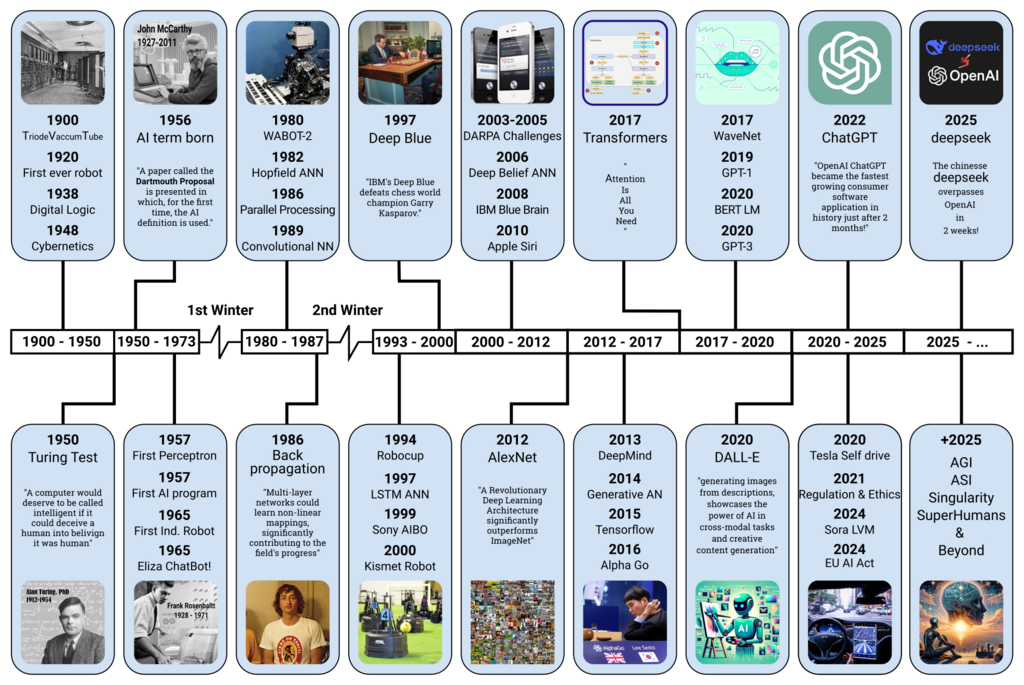
This led to the powerful generative models we see today. They evolved from simple script-followers to complex systems capable of writing essays, composing music, and creating photorealistic images from a text prompt.
Real-World Applications
Generative engines are no longer just a research concept; they are practical tools used across many industries.
In marketing, they draft ad copy, create social media posts, and even generate images for campaigns. This saves time and helps teams brainstorm new ideas. Software developers use them to write and debug code, speeding up the development process. Artists and designers use them as creative partners to generate new visual styles or musical compositions.
In fields like drug discovery, generative models can design new molecules with specific properties, potentially leading to new medicines much faster than traditional methods allow.
Even in entertainment, these engines are used to write scripts, create virtual worlds for video games, and generate special effects for movies. Their ability to automate creative and data-intensive tasks is fundamentally changing how work gets done.