LLM Power-Up for Academic Projects
Introduction to Large Language Models
What is a Large Language Model?
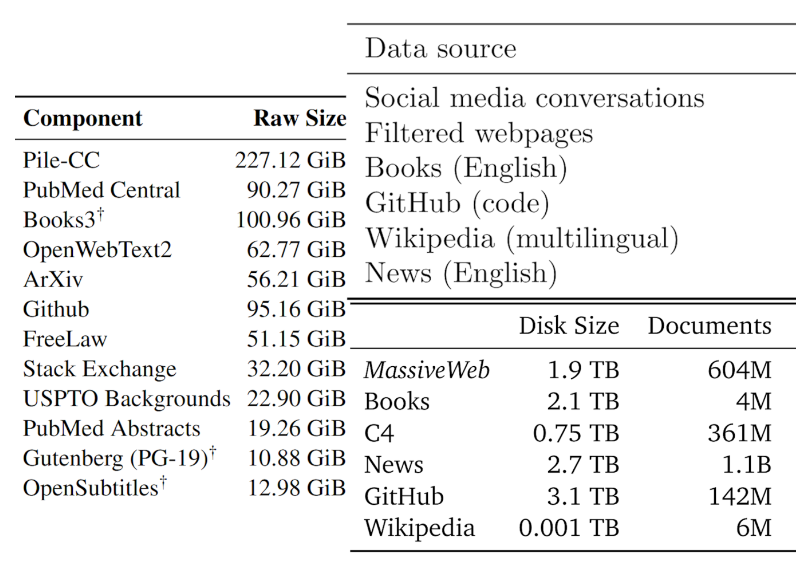
At its core, a Large Language Model (LLM) is an AI program trained to understand and generate human language. Think of it as a very advanced autocomplete. It's trained on a massive amount of text from the internet, books, and other sources, allowing it to learn the patterns, grammar, context, and nuances of language.
The main goal of an LLM is to process a sequence of text and predict what should come next. This simple-sounding task enables everything from answering questions to writing essays and translating languages.
The "large" in Large Language Model refers to two things: the enormous size of the dataset it's trained on and the huge number of parameters in the model itself. A parameter is like a knob the model can tune during training to improve its predictions. Modern LLMs can have billions or even trillions of parameters.
The Engine: Transformer Architecture
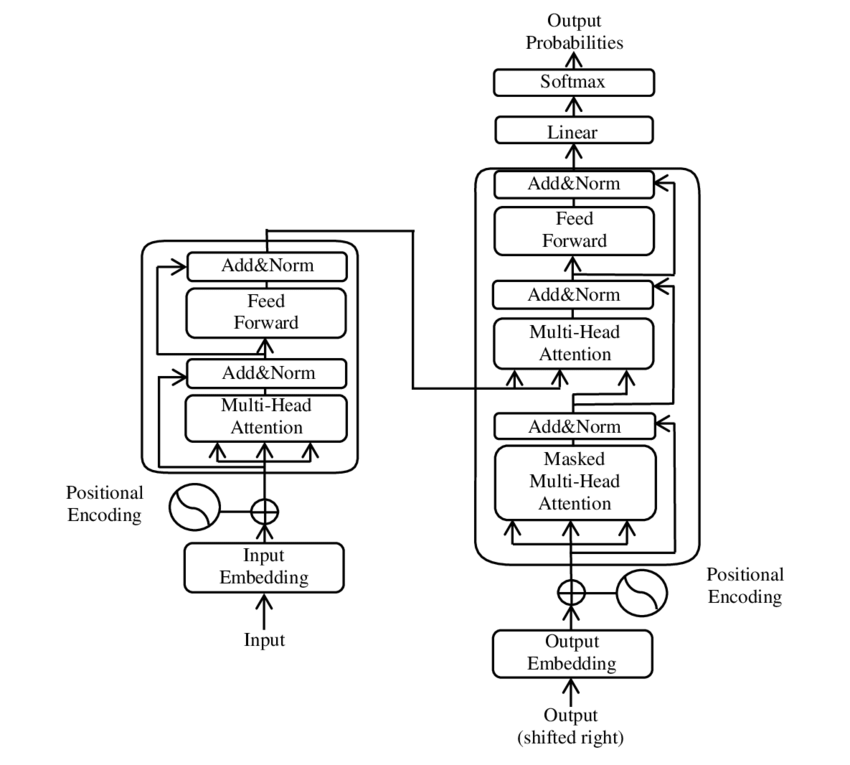
The breakthrough that enabled modern LLMs was a specific neural network design called the transformer architecture. Introduced in 2017, its key innovation is the attention mechanism.
Attention allows the model to weigh the importance of different words in the input text when it's processing a sentence. It can understand that in the sentence "The robot picked up the red ball because it was heavy," the word "it" refers to the "ball," not the "robot." This ability to track relationships between words, even far apart, gives transformers a deep understanding of context.
Before a model can process text, the language must be converted into numbers. This happens through two main steps: tokenization and creating embeddings.
Tokenization
noun
The process of breaking down a piece of text into smaller units, called tokens. A token can be a word, part of a word, or even a single character.
After tokenization, each token is converted into a numerical vector called an embedding. An embedding is a list of numbers that represents the token's meaning and its relationship to other tokens. Words with similar meanings will have similar embeddings, placing them close to each other in a multi-dimensional space. This allows the model to work with meaning, not just words.
Applications in Academia
LLMs are not just for chatbots. In academic research, they have become powerful tools with a wide range of applications.
- Literature Review: Researchers can use LLMs to quickly summarize vast numbers of academic papers, identify key themes, and find relevant articles, significantly speeding up the literature review process.
- Data Analysis: LLMs can help analyze qualitative data by identifying patterns and themes in large text datasets, such as interview transcripts or open-ended survey responses.
- Writing and Editing: They serve as sophisticated writing assistants, helping researchers draft papers, check for grammatical errors, and rephrase sentences for clarity. They can also translate research into different languages, making it more accessible to a global audience.
- Hypothesis Generation: By analyzing existing literature, an LLM can sometimes suggest novel connections or unexplored research questions, acting as a brainstorming partner for scientists.
What is the primary function of a Large Language Model (LLM)?
What key innovation of the transformer architecture allows a model to understand context by weighing the importance of different words in an input sentence?