LLM Internals Explained
Introduction to Large Language Models
What Are Large Language Models?
A Large Language Model, or LLM, is a type of artificial intelligence designed to understand and generate human language. Think of it as an extremely well-read student who has consumed a vast library of books, articles, and websites. By analyzing all that text, it learns the patterns, grammar, context, and nuances of language.
A Large Language Model (LLM) is a type of artificial intelligence program designed to understand, generate, and work with human language.
The “large” in the name is key. These models are trained on immense datasets, sometimes containing trillions of words. They also have billions or even trillions of internal
parameter
noun
A variable inside a model that is learned from training data. Parameters are the internal settings that the model uses to make predictions.
At its core, a language model works by predicting the next word in a sequence. Given the phrase “The cat sat on the…,” it calculates the most probable word to come next, like “mat,” “couch,” or “floor.” By repeatedly doing this, it can generate entire sentences, paragraphs, and articles that are coherent and contextually relevant.
A Quick Trip Through Time
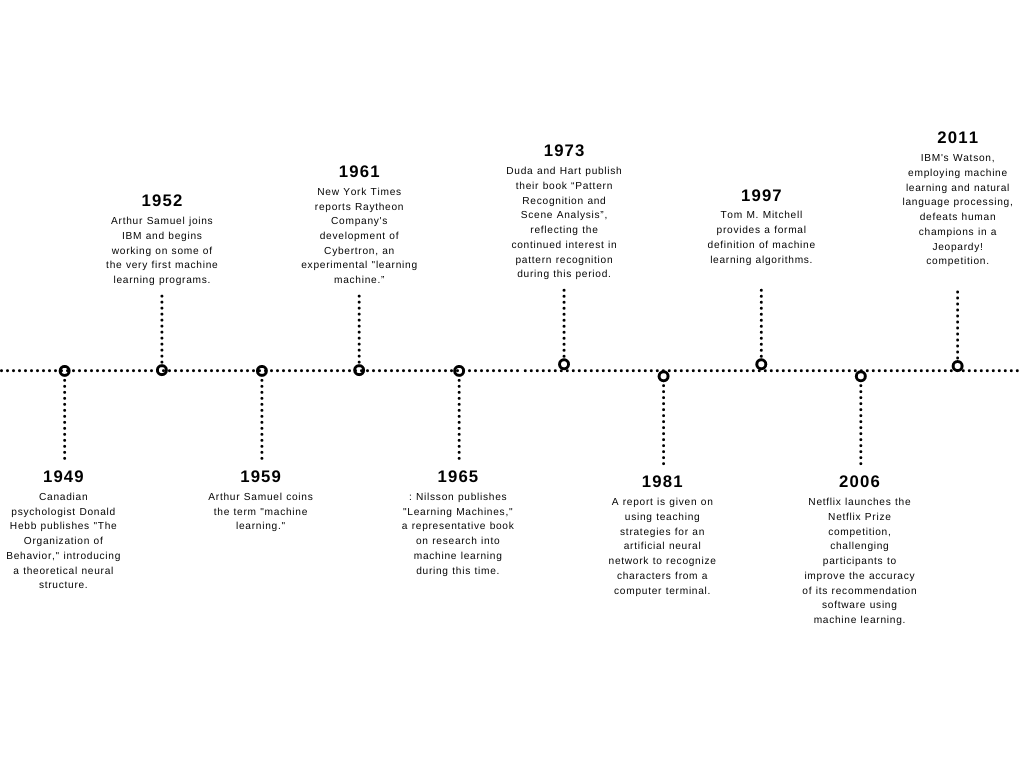
The idea of modeling language isn’t new, but the power of today's LLMs is the result of decades of progress. Early attempts, known as statistical models, simply counted word frequencies. For example, a model might know that “bacon” is often followed by “and eggs” just because that pair appears frequently in texts.
Later, neural networks offered a more sophisticated approach. Models like Recurrent Neural Networks (RNNs) could remember previous words in a sentence, giving them a better sense of short-term context. However, they struggled with long-term dependencies, often forgetting the beginning of a long paragraph by the time they reached the end.
The big breakthrough came in 2017 with the introduction of the Transformer architecture. This new design allowed models to weigh the importance of different words in the input text simultaneously, not just sequentially. This ability, called an 'attention mechanism', let them handle long-range context far more effectively and opened the door for building much larger, more powerful models.
What Can They Do?
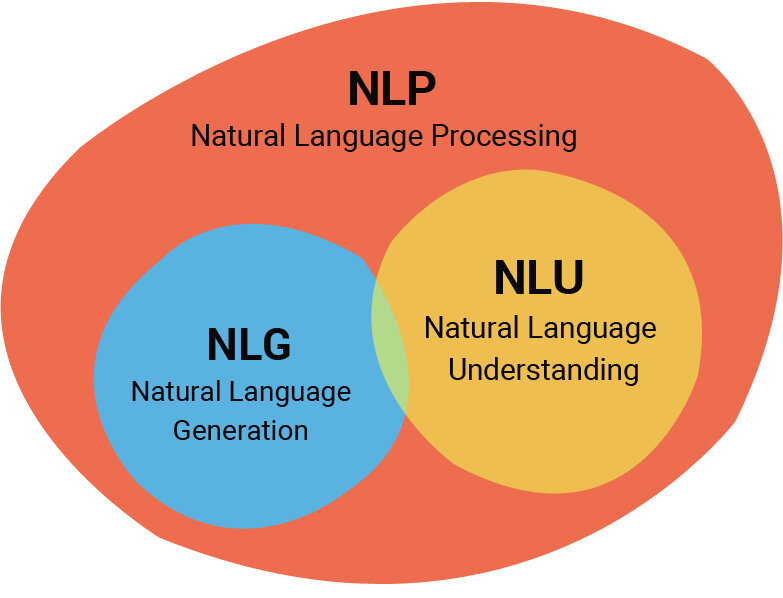
The capabilities of LLMs extend across many tasks within Natural Language Processing (NLP), the field of AI focused on the interaction between computers and human language. Their ability to generate fluent, human-like text makes them incredibly versatile.
| Application | Description |
|---|---|
| Content Creation | Writing articles, emails, marketing copy, and even poetry. |
| Summarization | Condensing long documents or articles into brief summaries. |
| Translation | Translating text between different languages with high accuracy. |
| Chatbots | Powering sophisticated conversational agents for customer service or assistance. |
| Code Generation | Writing computer code based on a description in plain English. |
| Sentiment Analysis | Determining the emotional tone of a piece of text (positive, negative, or neutral). |
These applications showcase the core strength of LLMs: understanding context and generating relevant output. Whether you're asking a question, requesting a summary, or translating a sentence, the model uses its vast training to produce a useful response.
Ready to check your understanding of these foundational concepts?
What is the core function that allows a Large Language Model (LLM) to generate coherent text?
The "large" in Large Language Model refers to the physical size of the computers they run on.
That's a brief look at what LLMs are, where they came from, and what they can do. They represent a major step forward in making computers that can work with language in a way that feels natural and intuitive.