LLM Integration in Software Development
Introduction to Large Language Models
What Are Large Language Models?
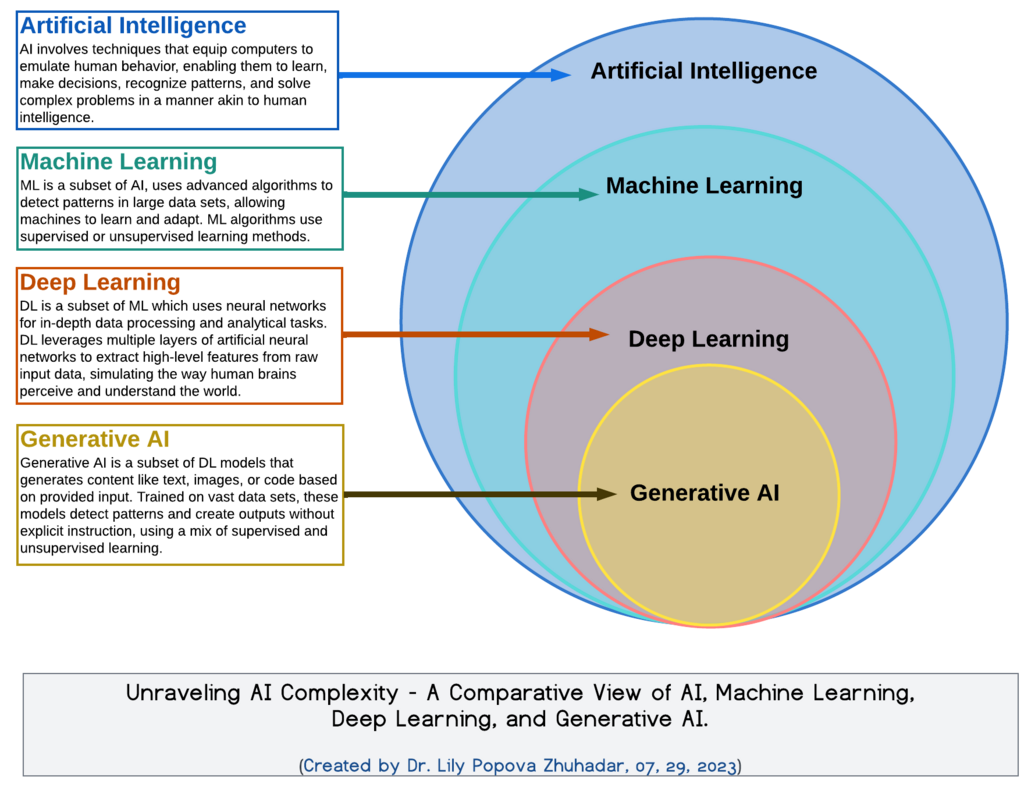
A Large Language Model, or LLM, is an AI program trained to understand and generate human language. Think of it as a sophisticated autocomplete that works on ideas, not just single words. It learns the patterns, grammar, context, and nuances from enormous amounts of text data.
A large language model (LLM) is an AI model trained on massive amounts of text data that can understand and generate human-like text, recognize patterns in language, and perform a wide variety of language tasks without task-specific training.
Their main purpose is to process our language and respond in a useful way. This could mean answering a question, summarizing a long document, translating from Spanish to English, or even writing a piece of code. By predicting the next most likely word in a sequence, they can string together coherent and often surprisingly creative sentences and paragraphs.
A Quick Trip Through Time
The idea of computers understanding language isn't new. Early attempts in the mid-20th century relied on complex, hand-written rules. These systems were brittle and couldn't handle the messiness of real human language. Later, statistical methods improved things by using probabilities, but they lacked a deep sense of context.
The real breakthrough came recently. As computing power exploded and massive datasets became available, new techniques allowed models to learn language patterns on their own, leading to the powerful LLMs we see today.
The Transformer Architecture
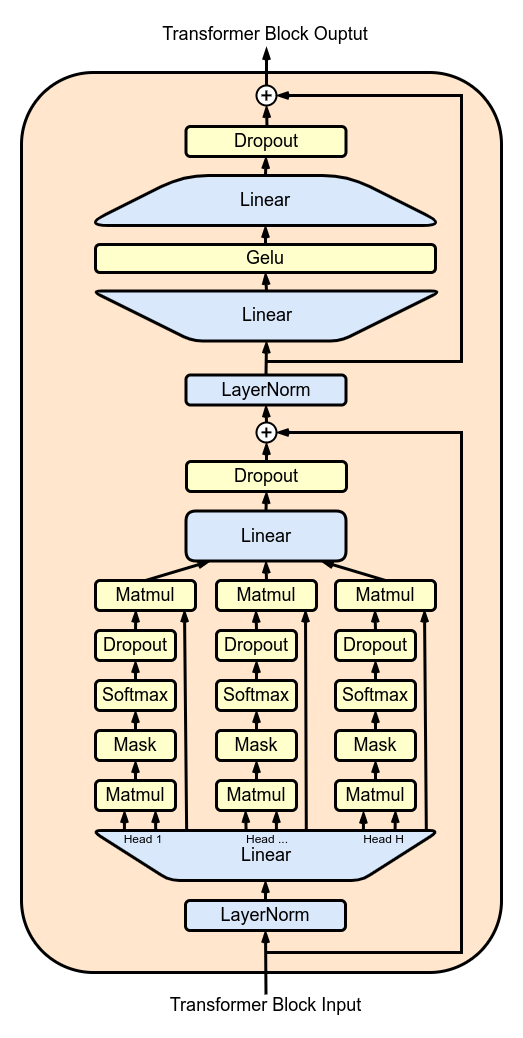
Most modern LLMs are built on an architecture called the Transformer, introduced in 2017. Before the Transformer, models processed text sequentially, word by word. This made it hard to keep track of long-range dependencies, like how the beginning of a paragraph relates to the end.
The Transformer can process all words in a sentence at once. Its key innovation is a mechanism called attention, which allows the model to weigh the importance of different words when processing any given word. It learns which other words in the text are most relevant, no matter how far apart they are. This ability to see the relationships between all words simultaneously gives the Transformer its deep contextual understanding.
Training an LLM
Creating an LLM is a two-step process that requires immense data and computational power.
First is pre-training. The model is fed a massive, diverse dataset of text and code from the internet, books, and other sources. It learns grammar, facts, reasoning abilities, and biases from this data. The goal is simple but powerful: predict the next word in a sentence. By doing this billions of times, it builds a complex internal representation of language.
Second is fine-tuning. After pre-training, the general model is trained on a smaller, more specialized dataset to adapt it for a specific task, like answering medical questions or writing in a particular style. This step refines the model's capabilities and helps align its responses with human expectations.
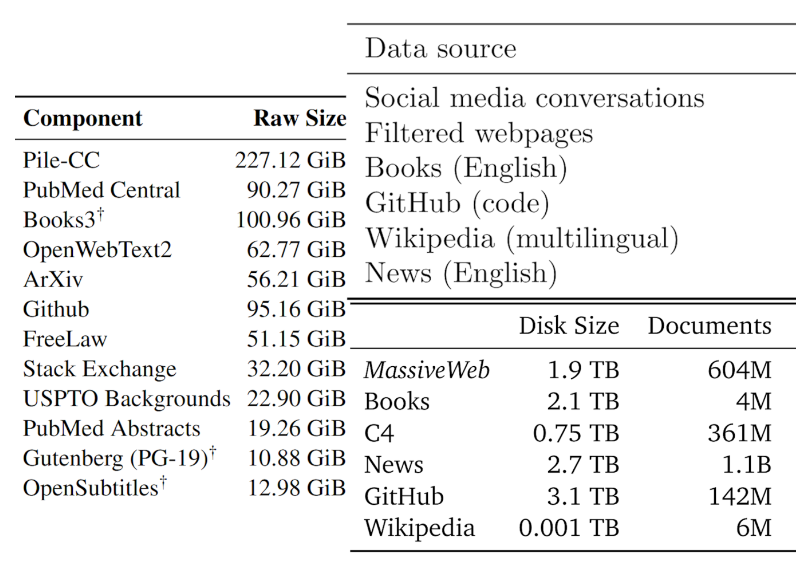
The scale of data involved is staggering, often measured in terabytes or even petabytes. This is why training these models is a resource-intensive process typically undertaken by large tech companies and research labs.
Meet the Models
Several prominent LLMs have shaped the field. Each has its own strengths and is often designed with different goals in mind.
| Model Family | Developer | Key Characteristic |
|---|---|---|
| GPT (Generative Pre-trained Transformer) | OpenAI | Known for strong text generation and conversational abilities. |
| BERT (Bidirectional Encoder Representations from Transformers) | Excellent at understanding context by looking at words both before and after a target word. Often used for search and analysis. | |
| Llama (Large Language Model Meta AI) | Meta | A family of powerful open-source models, enabling broader research and development. |
| Claude | Anthropic | Designed with a focus on AI safety and producing helpful, harmless, and honest responses. |
This is just a small sample. The field is evolving rapidly, with new models and architectures appearing all the time.
Common Applications
LLMs are becoming a fundamental part of modern software. They act as the engine for a wide range of features:
- Content Creation: Writing emails, blog posts, and marketing copy.
- Summarization: Condensing long articles or documents into key points.
- Code Generation: Writing code snippets or entire functions from natural language descriptions.
- Chatbots and Virtual Assistants: Powering more natural and helpful conversations.
- Sentiment Analysis: Determining the emotional tone of a piece of text.
- Translation: Translating text between different languages with improved accuracy and nuance.
Understanding these core concepts is the first step toward building powerful applications with LLMs.
Ready to check your understanding?