LLM Fundamentals Explained
Introduction to LLMs
What Are Large Language Models?
At its core, a large language model, or LLM, is a type of artificial intelligence designed to understand and generate human language. Think of it as a very advanced pattern-recognition system. After being trained on enormous amounts of text data from books, articles, and websites, it learns the relationships between words, sentences, and ideas.
A Large Language Model (LLM) is a type of artificial intelligence program designed to understand, generate, and work with human language.
This ability allows LLMs to perform a wide range of tasks, from answering questions and summarizing long documents to translating languages and even writing computer code. They are a key part of Natural Language Processing (NLP), a field of AI focused on enabling computers to process and analyze large amounts of natural language data.
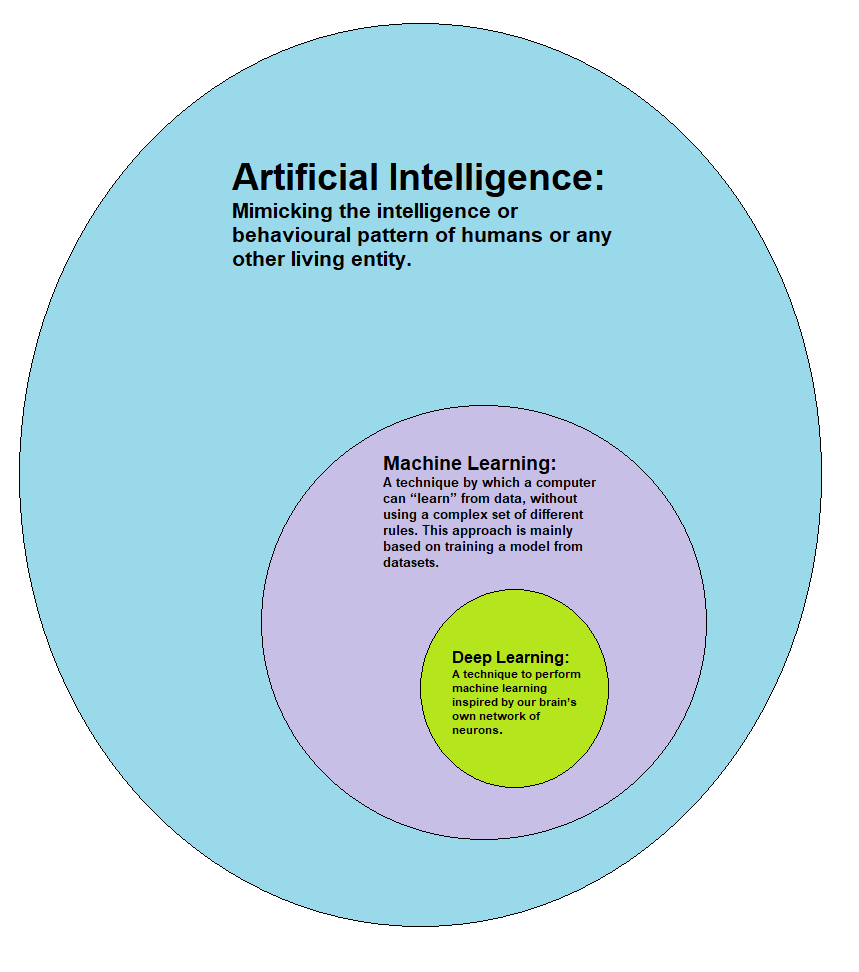
LLMs fit within the broader categories of machine learning and deep learning. They represent a significant leap forward, moving beyond simple keyword matching to grasp context, nuance, and even creative styles of writing.
A Brief History
The journey to today's LLMs began decades ago. Early attempts at language modeling were based on statistical methods. These models looked at the probability of a word appearing next to another. They were useful but had a very limited understanding of context.
Over time, the development of neural networks allowed for more complex models that could learn more intricate patterns in language. However, a major breakthrough came in 2017 with the introduction of the Transformer architecture. This new design was much better at handling long-range dependencies in text, meaning it could keep track of context over entire paragraphs or documents, not just a few words.
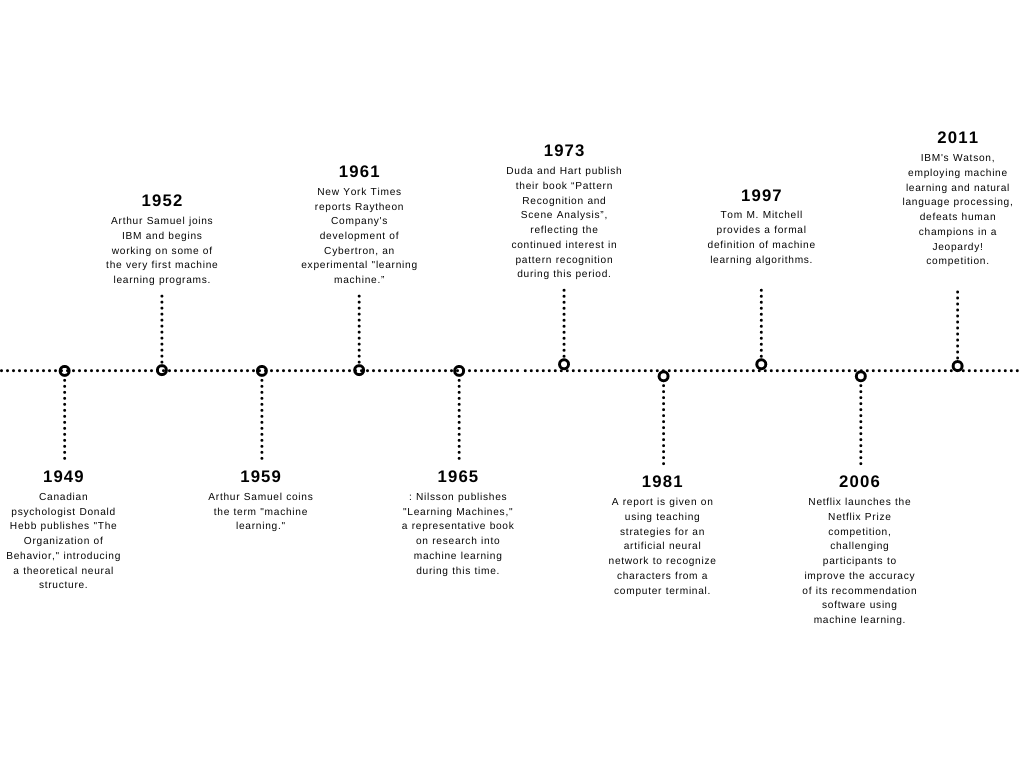
The combination of the Transformer architecture, massive increases in computing power, and the availability of vast datasets from the internet fueled a rapid evolution. Models grew from millions to billions and now trillions of parameters, the values that a model learns during training. This increase in scale unlocked the impressive capabilities we see in LLMs today, making them one of the most significant developments in the history of artificial intelligence.