LLM Fine-Tuning Essentials
Introduction to LLMs
What Are Large Language Models?
Large Language Models, or LLMs, are a type of artificial intelligence designed to understand and generate human-like text. Think of them as incredibly advanced prediction engines. They are trained on enormous amounts of text data—books, articles, websites, and more—to learn the patterns, grammar, context, and nuances of human language.
The core purpose of an LLM is to process a piece of text you give it, called a prompt, and then predict what text should come next. By doing this over and over, it can write paragraphs, answer questions, summarize documents, and even write computer code. This predictive ability is what allows them to perform such a wide variety of tasks.
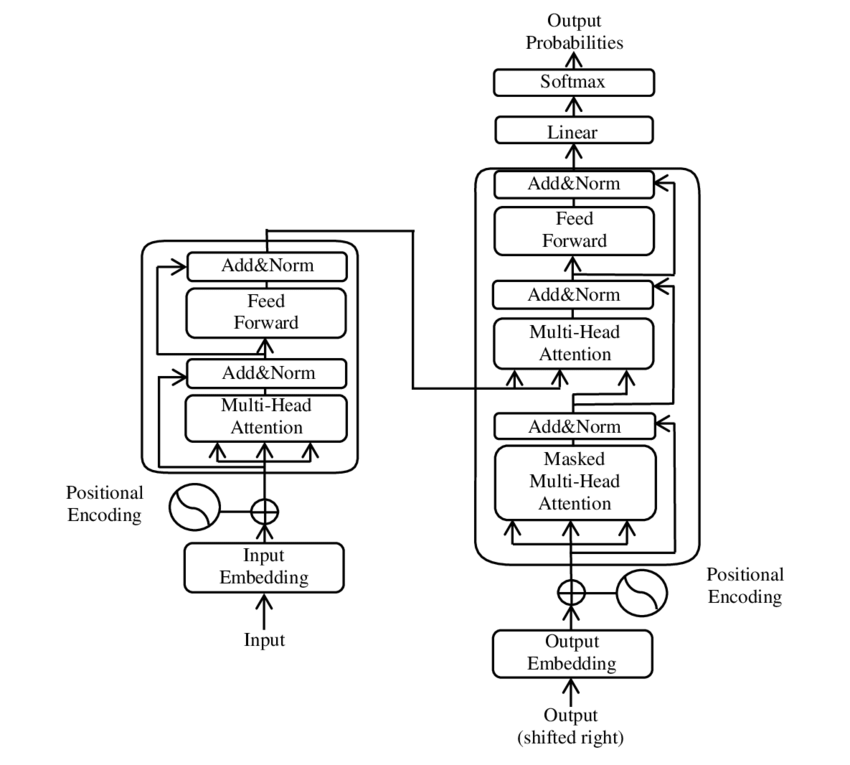
Most modern LLMs are built using a specific architecture called a Transformer. This design was a breakthrough because it allowed models to handle long sequences of text and weigh the importance of different words when making predictions. This ability to understand context is what makes LLMs so powerful.
How LLMs Learn
An LLM's education happens in two main stages: pre-training and fine-tuning.
Pre-training is the foundational stage. During this phase, the model is fed a massive, diverse dataset, like a huge chunk of the internet. The goal isn't to teach it any specific task, but to help it develop a general understanding of language. It learns grammar, facts about the world, reasoning skills, and how different concepts relate to each other. It's like a person reading every book in a library to gain broad, general knowledge.
Fine-tuning comes next. After a model is pre-trained, it's a powerful generalist. But what if you need a specialist? Fine-tuning adapts the pre-trained model for a specific purpose. This involves training it further on a much smaller, curated dataset that's relevant to a particular task, like answering customer support questions or analyzing legal documents. This is like our library reader now enrolling in medical school to become a doctor. They use their general knowledge as a base to learn a specialized skill.
Pre-training builds broad knowledge, while fine-tuning hones a specific skill.
This two-step process makes LLMs incredibly flexible. Instead of building a new model from scratch for every task, developers can take a powerful pre-trained model and quickly adapt it to new domains.
What Can LLMs Do?
Because of their generalist training, LLMs can be adapted to a huge range of applications. Their capabilities extend far beyond simple chatbots.
Here are just a few examples:
- Content Creation: Writing emails, blog posts, marketing copy, and even creative fiction.
- Summarization: Condensing long articles, reports, or meetings into key bullet points.
- Translation: Translating text between dozens of different languages.
- Code Generation: Writing code in various programming languages based on a natural language description.
- Sentiment Analysis: Determining the emotional tone of a piece of text, like a customer review.
The ability to fine-tune these models unlocks even more specialized uses, from assisting scientists with research to helping doctors draft clinical notes. Their versatility is what makes them such a transformative technology.
Now, let's review what we've covered.
What is the primary function of a Large Language Model (LLM)?
The training process of an LLM can be compared to a person's education. If the initial pre-training is like a person reading a vast general library, what is the fine-tuning stage analogous to?
Understanding these foundational concepts is the first step to harnessing the power of large language models.