LLM Distinctions Explained
Introduction to Large Language Models
What Are Large Language Models?
At its heart, a Large Language Model (LLM) is a type of artificial intelligence designed to understand, generate, and interact with human language. Think of it as an extremely advanced form of autocomplete. It's trained on vast amounts of text from the internet, books, and other sources, allowing it to learn the patterns, grammar, context, and nuances of language.
The core task of an LLM is to predict the next word in a sequence. By doing this over and over again on a massive scale, it develops a sophisticated ability to write essays, answer questions, translate languages, and even write computer code. The "large" in its name refers to both the immense size of the dataset it's trained on and the huge number of parameters, or internal variables, the model uses to make its predictions.
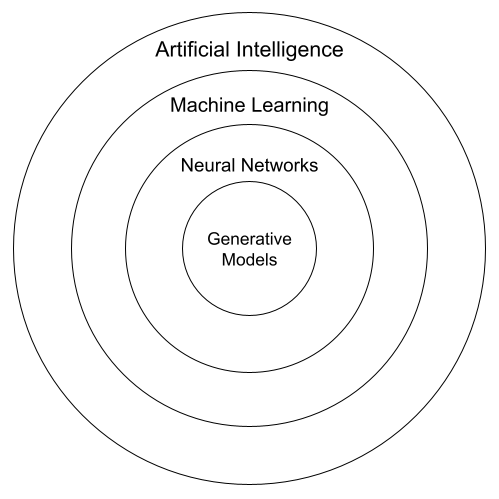
The goal isn't just to mimic language, but to generate coherent and contextually relevant text that is useful for a specific task.
A Brief History
Language models aren't a new idea. For decades, computer scientists used statistical methods to analyze relationships between words. These early models, known as n-grams, looked at sequences of a few words (like two or three at a time) to calculate the probability of the next word. They were useful for simple tasks like spell-checking but lacked any real understanding of context.
The shift began with the rise of neural networks, which are computing systems inspired by the human brain. These models could handle more complexity and capture more subtle linguistic patterns. However, they struggled with long-term dependencies—understanding how a word at the beginning of a paragraph might relate to a word at the end.
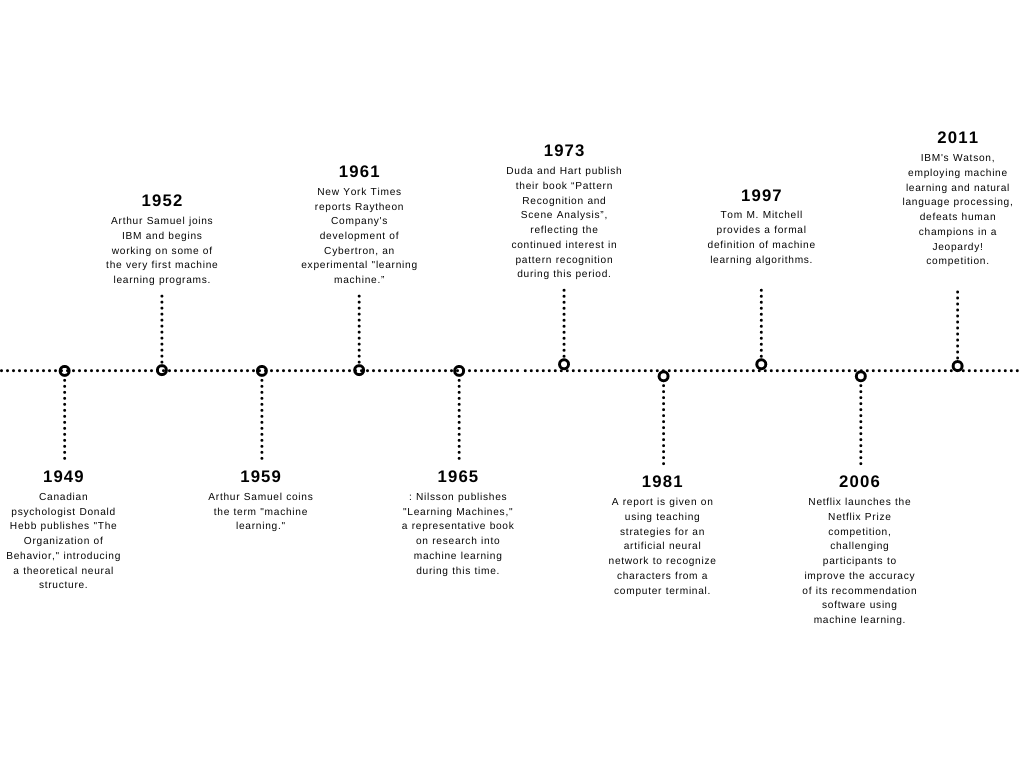
This challenge of long-term memory persisted until a major breakthrough in 2017. A new architecture was introduced that would completely change the field of natural language processing.
The Transformer Breakthrough
The game-changing innovation was the transformer architecture. Unlike previous models that processed text word-by-word in sequence, the transformer could process all words in a sentence at the same time. This was made possible by a mechanism called "attention."
Attention allows the model to weigh the importance of different words when processing a sentence. It can learn which words are most relevant to each other, regardless of their distance apart.
For example, in the sentence "The robot picked up the ball, but it was too heavy," the attention mechanism helps the model understand that "it" refers to the "ball," not the "robot." This ability to grasp context is what makes modern LLMs so powerful.
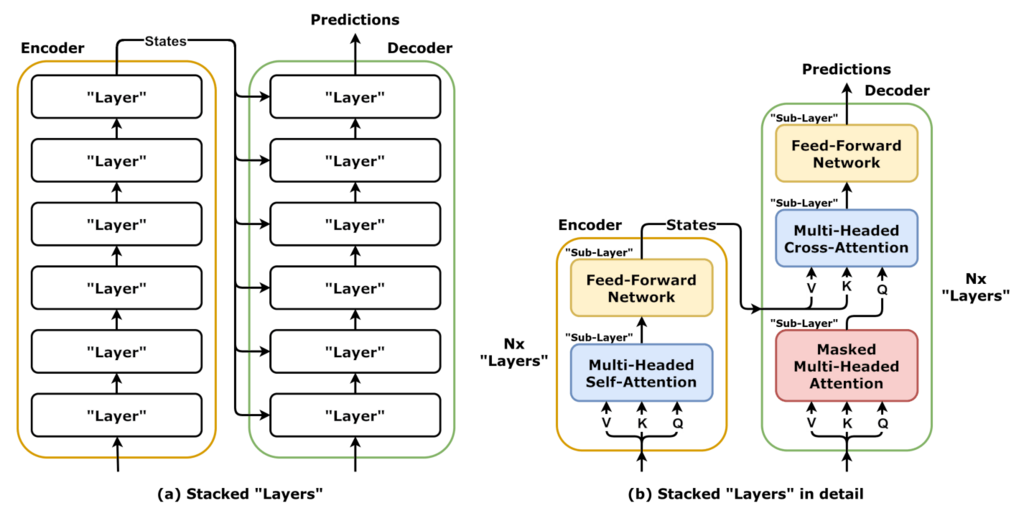
The transformer architecture is typically split into two parts: an encoder and a decoder. The encoder's job is to read and understand the input text, creating a numerical representation that captures its meaning. The decoder then takes this representation and generates the output text, one word at a time, using the contextual understanding gained by the encoder.
Why LLMs Matter
The development of transformer-based LLMs has led to a surge in AI capabilities. These models are now the engines behind many applications we use daily. They power advanced search engines, drive conversational chatbots, help developers write code faster, and create original content from simple prompts.
Their significance lies in their versatility. A single, well-trained LLM can be adapted for a wide range of tasks without needing to be rebuilt from scratch. This has democratized access to powerful AI tools and opened up new possibilities for innovation in fields from medicine to entertainment.
What is the primary function of a Large Language Model (LLM)?
The "large" in Large Language Model refers to which two aspects?
Understanding these core concepts is the first step. Next, we'll explore the specific architectural details that differentiate the major LLMs in use today.