LLM Architecture Explained
Introduction to Large Language Models
What Are Large Language Models?
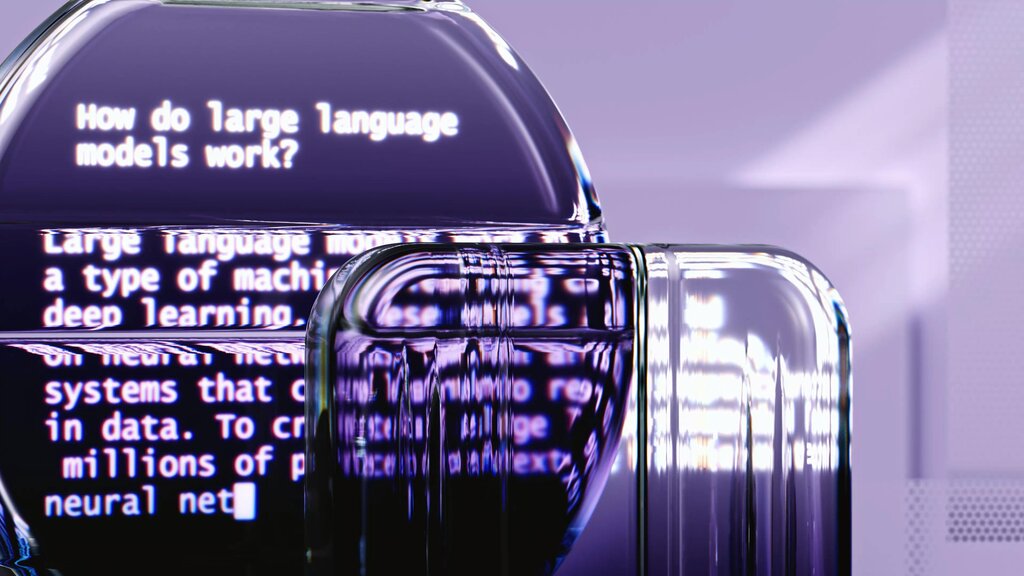
A Large Language Model, or LLM, is a type of artificial intelligence designed to understand, generate, and interact with human language. Think of it as a computer program that has read a massive library—so vast it includes a huge portion of the internet, countless books, and articles. By analyzing all this text, it learns the patterns, rules, grammar, and nuances of language.
Large language models (LLMs) are AI systems that understand and create human language, doing tasks like summarizing articles, answering questions, writing code, and more.
The "large" in LLM refers to two things: the immense amount of data it's trained on and the huge number of parameters it uses. Parameters are like the internal knobs and dials the model adjusts during training to make its language predictions more accurate. The more parameters, the more complex the patterns it can learn.
This ability to grasp the intricate web of language is what makes LLMs so significant. They have fundamentally changed how we interact with technology, making it possible to have natural, fluid conversations with computers and automate tasks that previously required human understanding.
A Brief History
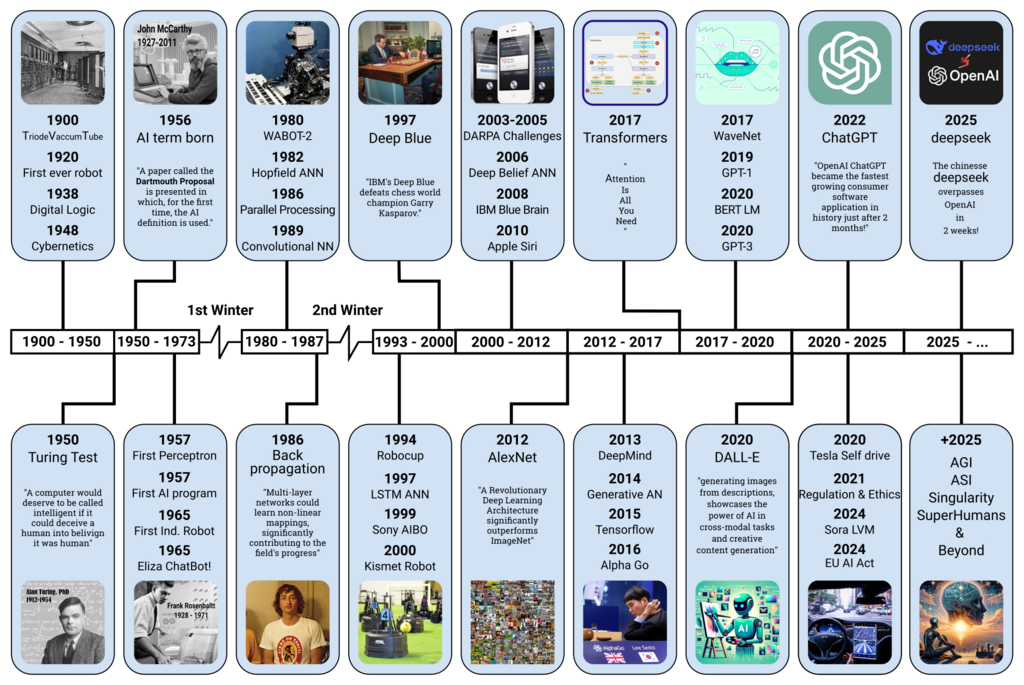
The idea of teaching machines language isn't new. For decades, scientists worked on statistical models that could predict the next word in a sentence based on the previous few words. These were the predecessors to modern LLMs. While useful, their understanding was limited.
Over extensive research spanning decades, language modeling has progressed from initial statistical language models (SLMs) to the contemporary landscape of large language models (LLMs).
The game changed with the development of a new architecture in 2017 called the Transformer. This innovation allowed models to weigh the importance of different words in a sentence, no matter how far apart they were. This ability to understand context over long stretches of text was a massive leap forward. Combined with advances in computing power and the availability of massive datasets, the Transformer architecture paved the way for the powerful LLMs we see today.
What Can LLMs Do?
Because they are so versatile with language, LLMs can perform a wide range of tasks that fall under the umbrella of Natural Language Processing (NLP). Their capabilities have applications in almost every industry.
Some common applications include text generation, translation, summarization, and question answering. Let's look at a few in more detail.
Text Generation: LLMs excel at creating original text. They can write emails, draft articles, create marketing copy, or even write poetry and stories. By providing a simple prompt, you can guide the model to generate text in a specific style or tone.
Translation: LLMs have dramatically improved the quality of machine translation. They can translate text between dozens of languages with a high degree of accuracy, capturing idioms and cultural nuances better than ever before.
Summarization: Faced with a long report or a dense academic paper? An LLM can read the entire document and provide a concise summary of the key points, saving you valuable time.
Code Generation: Many LLMs are also trained on vast amounts of computer code. This allows them to assist programmers by writing functions, debugging code, and even translating code from one programming language to another based on a natural language description.
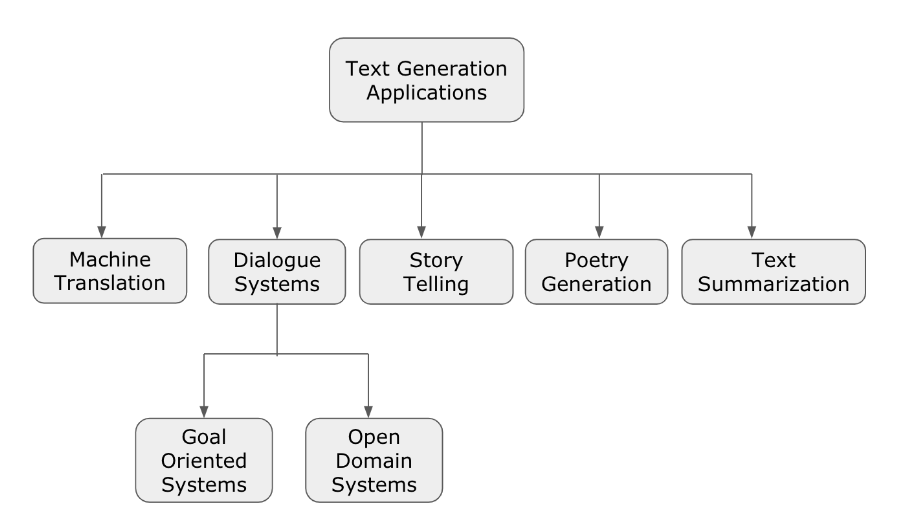
These are just a few examples. As the technology continues to evolve, the range of tasks LLMs can handle is constantly expanding.
Now that you have a foundational understanding of what LLMs are, where they came from, and what they can do, let's test your knowledge.
What does the "large" in Large Language Model (LLM) primarily refer to?
What key architectural innovation, introduced in 2017, was a major breakthrough for the development of modern LLMs by allowing them to understand long-range context in text?
These models are the foundation for many of the AI tools we use today, and understanding the basics is the first step to grasping their full potential.