LLM Architectural Distinctions Explained
Introduction to Large Language Models
What Are Large Language Models?
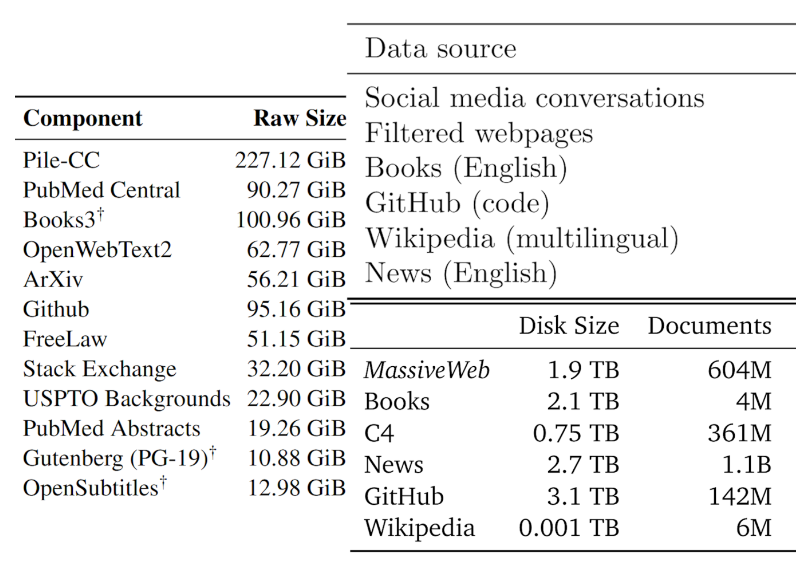
At its core, a large language model, or LLM, is an AI program trained to understand and generate human language. Think of it as a very advanced autocomplete. It predicts the next word in a sentence based on the words that came before it, but on a massive scale. By analyzing enormous amounts of text from books, articles, and websites, these models learn the patterns, grammar, context, and nuances of language.
A Large Language Model (LLM) is a type of artificial intelligence program designed to understand, generate, and work with human language.
The "large" in their name isn't an exaggeration. It refers to two things: the immense size of the datasets they are trained on and the huge number of parameters they contain. A parameter is like a knob the model can tune during training to improve its predictions. The more parameters, the more complex patterns the model can learn. Modern LLMs have billions or even trillions of them.
These powerful models didn't appear out of nowhere. They are the result of decades of research and a few key breakthroughs that changed how machines process language.
A Brief History
Early attempts at language modeling were statistical. They calculated the probability of a word appearing after another. While useful, they had a limited understanding of context. The real shift began with neural networks, which could learn more complex relationships in data.
A major leap forward came in 2018 with the introduction of BERT (Bidirectional Encoder Representations from Transformers). Before BERT, models typically read text in one direction, either left-to-right or right-to-left. This is like trying to understand a sentence by only reading it forward. BERT reads the entire sequence of words at once, allowing it to grasp context from both directions. This bidirectional approach dramatically improved its understanding of language.
BERT's innovation was like going from reading a book word by word to seeing the whole page at once.
Around the same time, another family of models, GPT (Generative Pre-trained Transformer), took a different path. While BERT focused on understanding language for tasks like classification and question answering, GPT was designed to generate it. By predicting the next word in a sequence, GPT models became incredibly skilled at creating human-like text, from writing emails to composing poetry.
Why LLMs Matter
The capabilities of LLMs have had a massive impact across many industries. They are the technology behind the conversational chatbots we interact with, the smarter search engines that understand our questions, and the tools that can summarize long documents in seconds.
Here are just a few applications:
- Content Creation: Drafting emails, writing articles, and generating marketing copy.
- Customer Service: Powering chatbots that can answer customer queries 24/7.
- Translation: Providing more nuanced and accurate translations between languages.
- Software Development: Generating code snippets and helping developers debug problems.
LLMs have fundamentally changed how we interact with information and technology, turning natural language into a powerful interface for complex tasks.
At its most basic level, what is a large language model (LLM) designed to do?
The "large" in Large Language Model refers to the physical size of the servers they run on.