LLM and AI Evaluation
Introduction to AI Evaluation
Why Bother Evaluating AI?
Building an AI model is one thing. Knowing if it's actually any good is another. Evaluation isn't just a final checkmark; it’s a crucial process that determines whether an AI system is helpful, harmful, or simply a waste of resources. Think of it like a quality inspection for a car. You don't just check if the engine starts. You test its speed, safety features, and fuel efficiency to see if it's truly road-worthy.
For AI, this inspection process has three main goals: measuring performance, ensuring fairness, and maintaining reliability.
Performance is about whether the AI can do its job correctly. A spam filter that lets junk mail through isn't performing well. A navigation app that gets you lost has failed.
Fairness is about ensuring the AI doesn't perpetuate or amplify human biases. If an AI system for screening job applications favors candidates from certain backgrounds, it's not just underperforming—it's causing real harm. Since AI learns from data, and data often reflects historical biases, fairness has to be a deliberate goal.
Finally, reliability means the AI works consistently. Its performance shouldn't be a fluke. You need to trust that it will deliver dependable results today, tomorrow, and a year from now, under all sorts of conditions.
Defining 'Good' Is Hard
Setting the right criteria for evaluation is surprisingly tricky. A single number, like an accuracy score, rarely tells the whole story. For example, an AI that diagnoses a rare disease might be 99% accurate simply by always guessing the patient doesn't have it. While technically accurate most of the time, it's completely useless for the people who actually need a diagnosis.
The context of the AI's use dictates what
What's a minor inconvenience in one application could be a catastrophic failure in another. An AI recommending a song you dislike is a low-stakes error. An autonomous vehicle misidentifying a pedestrian is a life-or-death mistake. The criteria for success must reflect the risks and goals of the specific task.
Matching Metrics to Goals
Evaluation must always be tied to the real-world outcome you're trying to achieve. Technical metrics are only useful if they serve a larger business or organizational goal. It's easy to get lost chasing a higher accuracy score while losing sight of what truly matters.
Imagine a company builds an AI to predict which customers are likely to stop using their service. The model is 98% accurate. On paper, this is a huge success. But if the predictions only come a day before the customer leaves, there's no time for the marketing team to intervene. The model is technically impressive but fails at its real goal: retaining customers.
This is why aligning evaluation with business objectives is critical. The right question isn't just "Is the AI accurate?" but "Is the AI helping us achieve our goal effectively?"
Accuracy is just one piece of the puzzle, other factors fairness, explainability, performance, security, and adaptability are equally important to ensure that AI systems perform effectively and ethically in real-world scenarios.
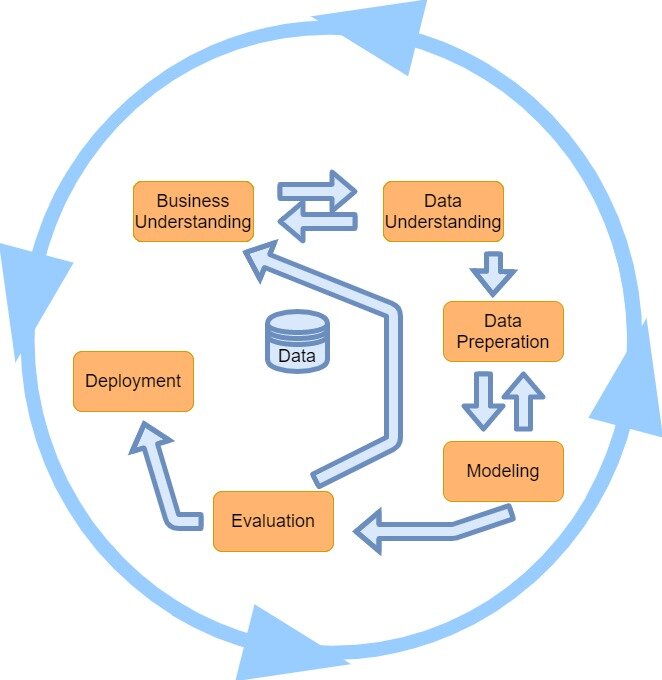
The world isn't static, and neither is data. An AI model trained on last year's data might struggle with this year's trends. A phenomenon known as performance drift occurs when an AI's accuracy degrades over time as the real world changes.
Continuous monitoring is the solution. It means keeping an eye on the AI's performance long after it's been deployed. This allows teams to catch unexpected behaviors, detect performance drift, and decide when it's time to retrain or update the model with new data. Without it, even the best AI can slowly become obsolete.
An AI model designed to diagnose a rare disease is 99% accurate, primarily because it almost always predicts the patient does not have the disease. Why is this high accuracy score misleading?
What is the primary reason for continuously monitoring an AI model after it has been deployed?