LLM and Agent Design Essentials for Designers
Introduction to LLMs
What Are LLMs?
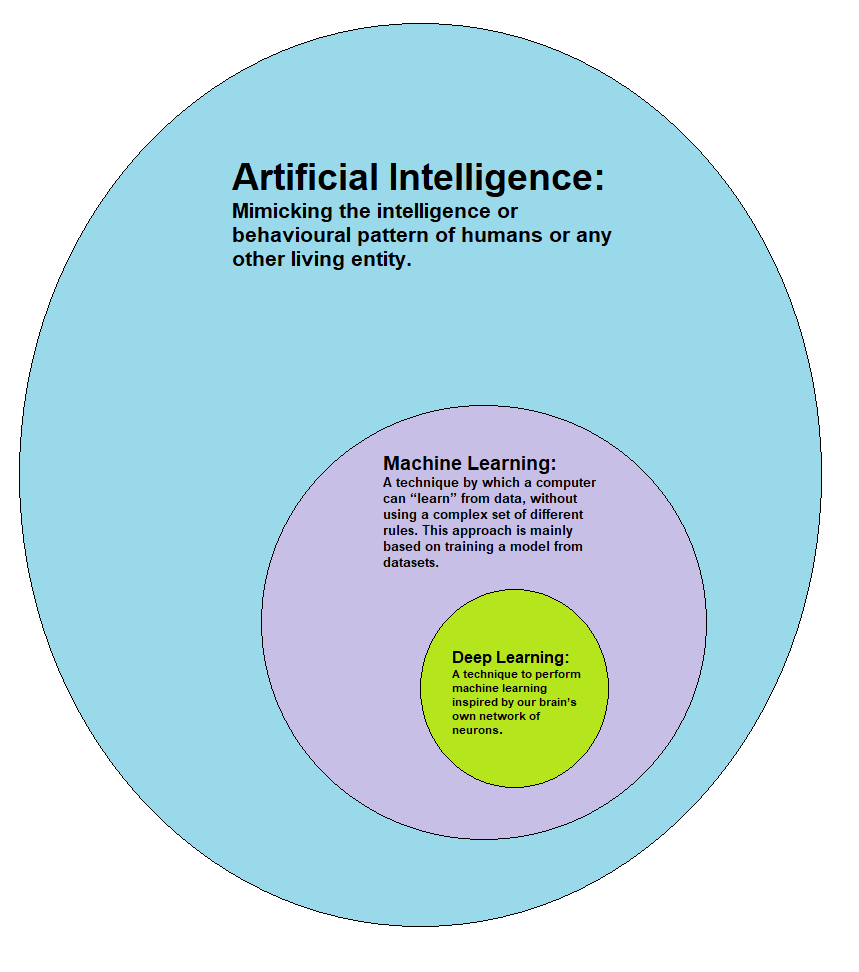
Large Language Models, or LLMs, are a type of artificial intelligence designed to understand and generate human language. Think of them as incredibly advanced predictive text systems, but on a massive scale. They learn by analyzing enormous amounts of text data from the internet, books, and other sources.
At their core, LLMs are pattern-recognition machines. By processing trillions of words, they learn the statistical relationships between them, allowing them to guess the next most likely word in a sequence.
The journey to today's LLMs began with simpler language models. Early approaches relied on statistical methods to predict word sequences. Later, Recurrent Neural Networks (RNNs) improved on this by having a form of memory, but they struggled with long sentences. The real breakthrough came with a new architecture that changed everything.
The Transformer Architecture
Modern LLMs are built on an architecture called the Transformer, introduced in a 2017 paper titled "Attention Is All You Need." Before the Transformer, processing long sequences of text was a major challenge for AI.
The key innovation of the Transformer is the self-attention mechanism. This allows the model to weigh the importance of different words in the input text when processing any given word. When you read the sentence, "The robot picked up the heavy metal ball because it was strong," your brain knows "it" refers to the robot, not the ball. Self-attention gives LLMs a similar ability to track relationships and context, even across long distances in the text.
The Transformer is typically composed of two main parts:
- The Encoder: This part reads and processes the entire input sentence at once. Its job is to build a rich numerical representation of the input, capturing the contextual meaning of each word.
- The Decoder: This part generates the output text, one word at a time. For each word it generates, it looks at the encoder's understanding of the input and the words it has already produced, using the attention mechanism to decide what to say next.
This structure makes Transformers highly efficient and effective at handling language, paving the way for the powerful LLMs we see today.
How LLMs Learn
Training an LLM is a massive undertaking, typically broken into two main phases: pre-training and fine-tuning.
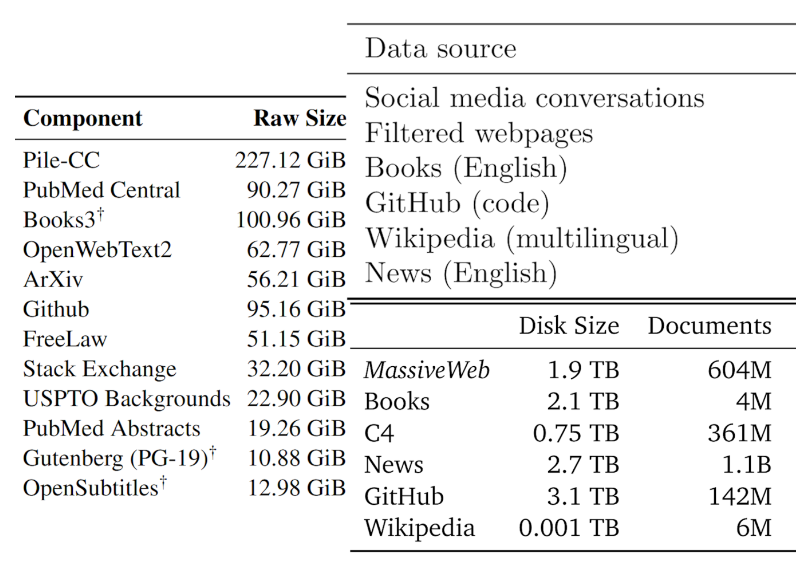
Pre-training is where the model develops its fundamental understanding of language. It's fed a colossal dataset—essentially a huge portion of the public internet, digital books, and other text sources. The model's primary goal during this phase is simple but powerful: given a sequence of words, predict the next word. By doing this billions of times, it learns grammar, facts, reasoning skills, and even biases present in the training data.
After pre-training, the result is a general-purpose model. To make it useful for specific tasks, it undergoes fine-tuning. In this phase, the model is trained on a smaller, curated dataset tailored to a particular application. For example, to create a chatbot that's good at summarizing articles, it would be fine-tuned on a dataset of articles and their corresponding summaries. This specializes the model's abilities without needing to retrain it from scratch.
What Can LLMs Do?
The general-purpose nature of LLMs allows them to excel at a wide range of Natural Language Processing (NLP) tasks, often with little to no task-specific training. Here are a few common applications:
Text Generation: This is the most fundamental capability. LLMs can write essays, compose poetry, create marketing copy, and even generate computer code.
Translation: By learning patterns from multilingual text, LLMs can translate between languages with impressive accuracy and fluency.
Summarization: They can read a long document or article and condense it into a concise summary, capturing the key points.
Question Answering: LLMs can function as powerful search engines, answering complex questions by synthesizing information from their vast training data.
These capabilities are just the beginning. As the models and training techniques continue to evolve, so do the applications, pushing the boundaries of what's possible with artificial intelligence.
What is the primary goal of an LLM during the pre-training phase?
What is the key innovation of the Transformer architecture that allows LLMs to understand context in long sentences?