LLM Agent Orchestration Patterns
Introduction to LLMs
What's Inside an LLM?
Large Language Models, or LLMs, are a specific type of artificial intelligence. They are built on massive neural networks, which are complex systems inspired by the human brain. These networks are trained on vast amounts of text data, allowing them to understand, generate, and interact with human language.
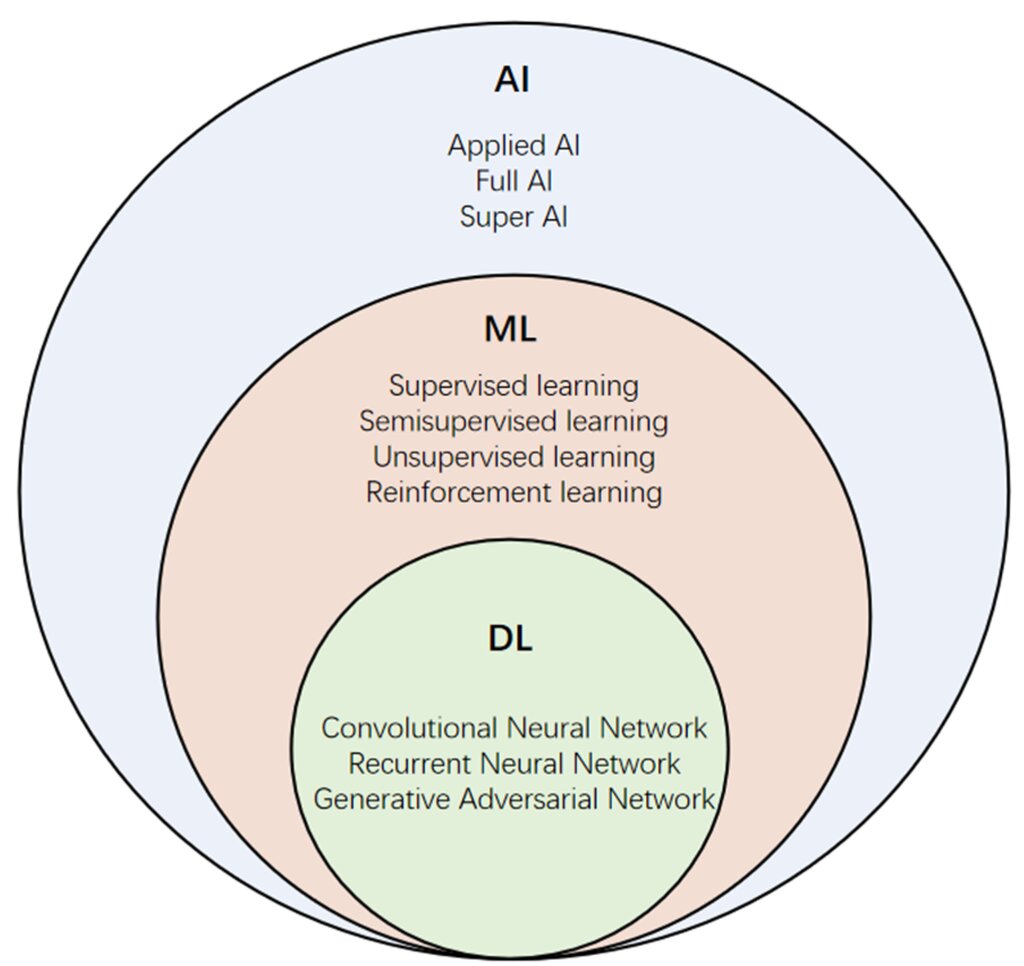
The foundational blueprint for most modern LLMs is the Transformer architecture. Before the Transformer, models processed text sequentially, like reading a sentence one word at a time. This made it difficult to grasp long-range connections. The Transformer changed the game by processing all the words in a sentence at once. This allows it to weigh the importance of every word in relation to all the others, leading to a much deeper understanding of context.
The core of the Transformer architecture is its ability to see the entire context of a sentence simultaneously, rather than word by word.
How LLMs Learn
An LLM's education starts with a massive library: the internet, books, articles, and more. This initial phase is called pre-training. During pre-training, the model is given a simple but powerful task: predict the next word in a sentence. It sees billions of examples like "The cat sat on the..." and learns to predict "mat."
Each time it predicts correctly, its internal connections are strengthened. When it's wrong, they're adjusted. Through countless iterations, the model builds a sophisticated statistical understanding of how language works. It's not learning facts in the human sense, but rather the patterns, grammar, and relationships between words.
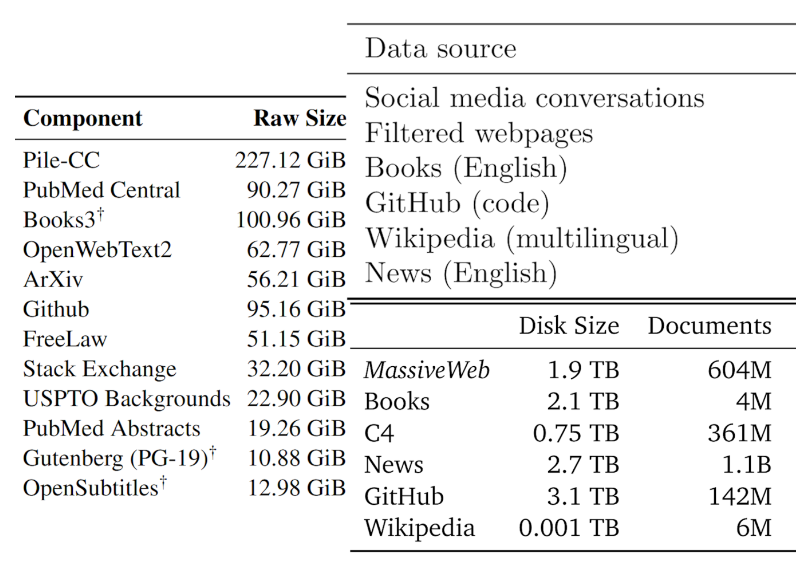
After pre-training, a model can be adapted for specific purposes through a process called fine-tuning. This involves training the model on a smaller, more specialized dataset. For example, a pre-trained model could be fine-tuned on a collection of medical journals to become an expert assistant for doctors, or on customer service transcripts to power a helpful chatbot.
The Language of Machines
Computers don't understand words; they understand numbers. So, the first step in processing any text is to convert it into a format the machine can work with. This involves two key steps: tokenization and creating embeddings.
Tokenization
noun
The process of breaking down a piece of text into smaller units, called tokens. These tokens can be words, parts of words, or even individual characters.
For example, the sentence "LLMs are powerful" might be tokenized into ["LLMs", "are", "powerful"]. More complex words might be broken down further. "Tokenization" itself could become ["Token", "ization"]. This allows the model to handle unfamiliar words by recognizing their component parts.
Once the text is tokenized, each token is converted into a numerical vector through a process called embedding. A vector is just a list of numbers that represents the token's position in a high-dimensional "meaning space."
Think of it like coordinates on a map. Words with similar meanings will have similar vectors, placing them close to each other in this space. This is how the model captures semantic relationships. The vector for "king" will be close to "queen," and the relationship between "king" and "queen" might be similar to the one between "man" and "woman."
Embeddings translate the meaning of words into a mathematical form that the model can understand and manipulate.
A Model That Pays Attention
The most important innovation of the Transformer architecture is the attention mechanism. It allows the model to weigh the influence of different words in the input text when producing an output. When processing a sentence, it doesn't treat every word equally.
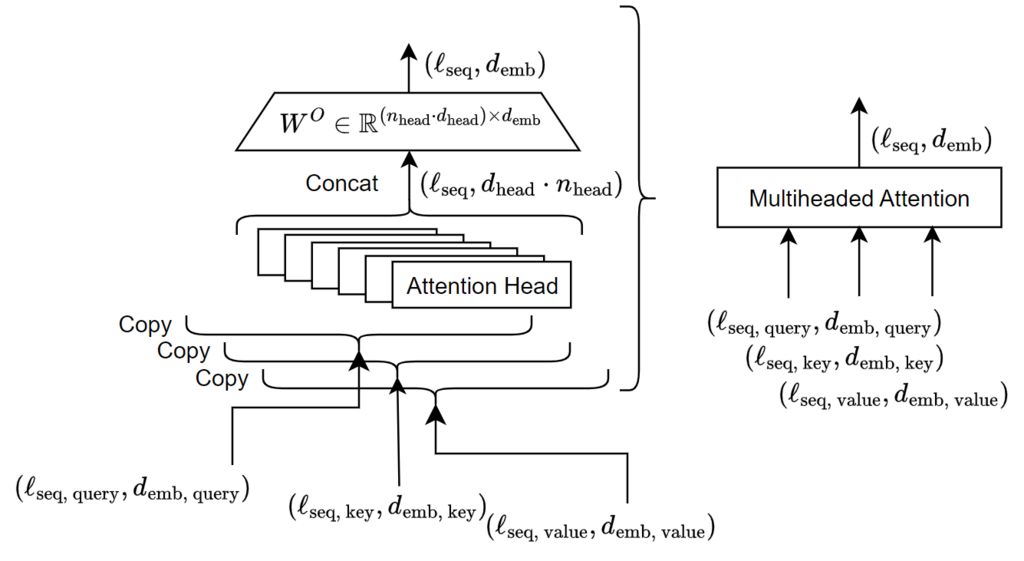
Consider the sentence: "The robot picked up the red block because it was the heaviest." What does "it" refer to? The robot or the block? A human knows "it" refers to the block. The attention mechanism enables the LLM to figure this out by calculating "attention scores" that link "it" most strongly to "block" and "heaviest."
This ability to selectively focus on the most relevant parts of the input is crucial for understanding context, nuance, and complex relationships in language. It's what allows an LLM to follow a long conversation, translate a complex sentence, or summarize a dense document accurately.
Now that we've covered the basics of how LLMs work, let's look at what they can do.