LLM Agent Architectures Explained
Introduction to LLMs
What Are Large Language Models?
At its core, a Large Language Model (LLM) is a type of artificial intelligence that's been trained to understand and generate human language. Think of it as a very advanced prediction engine. It learns the patterns, grammar, context, and nuances from a massive amount of text data. Its primary goal is to process a piece of text—a question, a command, or just a few words—and predict what should come next.
A large language model (LLM) is an AI model trained on massive amounts of text data that can understand and generate human-like text, recognize patterns in language, and perform a wide variety of language tasks without task-specific training.
This ability to predict allows LLMs to do incredible things, like write emails, translate languages, create computer code, or even have a conversation. They are called "large" because they have an enormous number of internal parameters—sometimes hundreds of billions—and are trained on equally enormous datasets.
A Quick Trip Through Time
The idea of machines understanding language isn't new. For decades, scientists have worked on Natural Language Processing (NLP). Early models were often based on complex, hand-crafted rules about grammar and syntax. They worked for specific tasks but were brittle and couldn't handle the messy, unpredictable nature of human language.
The field saw gradual improvements with statistical methods and earlier neural networks. But the real revolution began in 2017 with a groundbreaking paper from Google titled "Attention Is All You Need." This paper introduced the Transformer architecture, which fundamentally changed how we build language models.
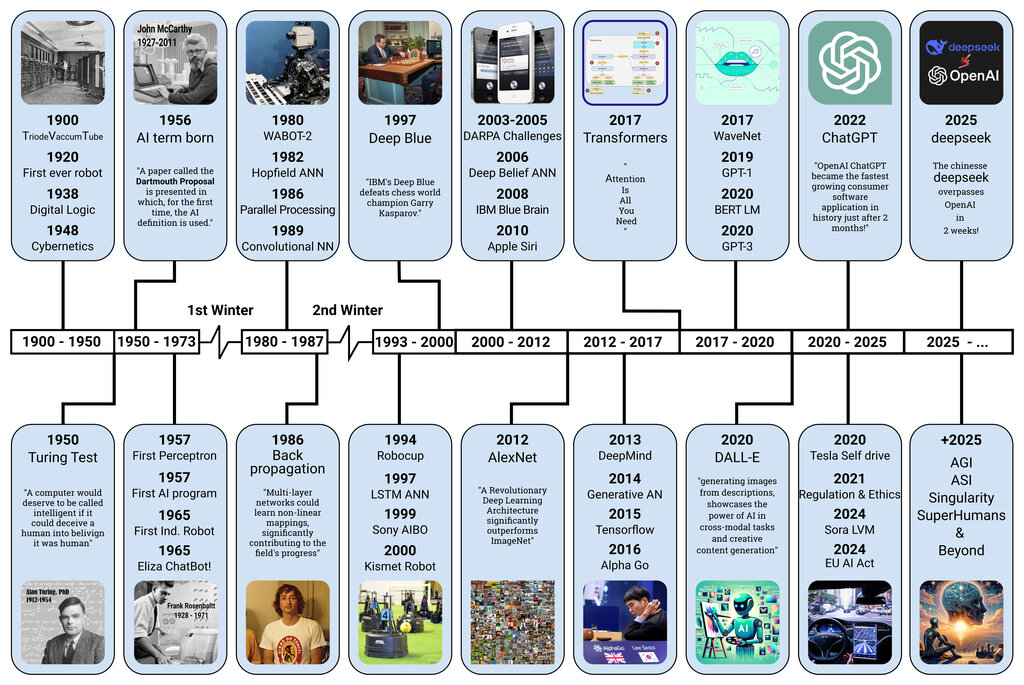
This new architecture was far more efficient at processing long sequences of text and capturing long-range dependencies—like understanding how the beginning of a paragraph relates to its end. This breakthrough paved the way for the massive, powerful LLMs we see today.
The Engine Inside: Transformers
So, what makes the Transformer architecture so special? Two key concepts are at its heart: parallel processing and the attention mechanism.
Unlike older models that had to process words one by one in sequence, Transformers can look at all the words in a sentence at the same time. This makes training much faster and more efficient. But the real magic is in how it decides which words are important.
Attention Mechanism
noun
A technique that allows a neural network to weigh the importance of different parts of the input data when processing a particular part of it.
The attention mechanism allows the model to focus on the most relevant words in the input text when it's producing an output. As it processes a word, it looks at all the other words in the sentence and assigns each one an "attention score." This score represents how relevant that word is to the current one. Words with higher scores have more influence on the outcome.
This ability to weigh importance is crucial for understanding context. The Transformer architecture is typically split into two main parts: an Encoder and a Decoder.
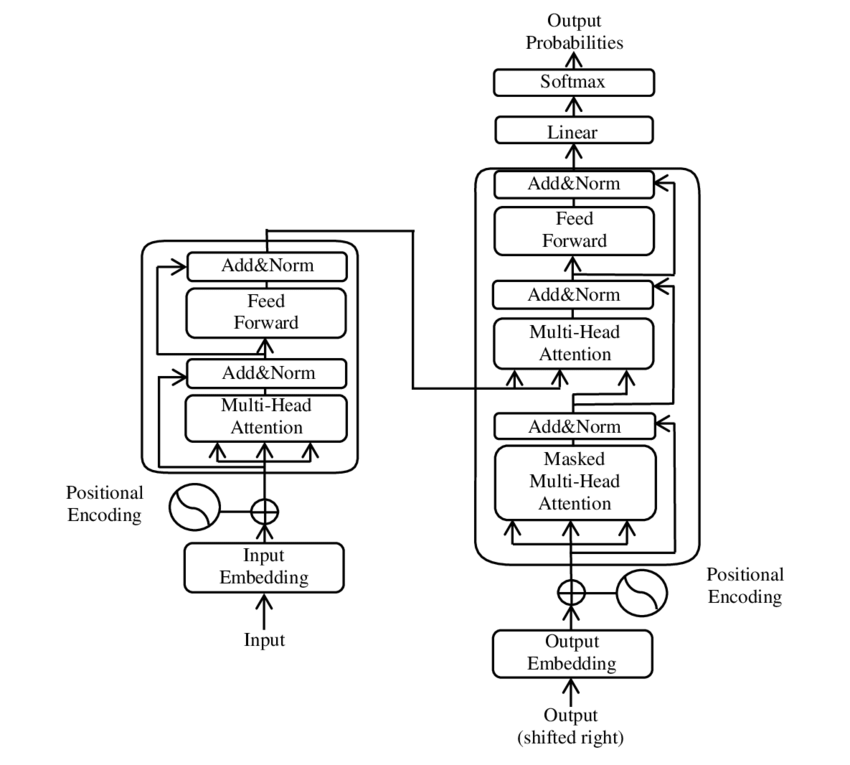
The Encoder reads the input text and builds a numerical representation of it, capturing the contextual relationships between words. The Decoder then takes that representation and generates the output text, word by word, using the attention mechanism to focus on the relevant parts of the input.
Some models, like GPT (Generative Pre-trained Transformer), are decoder-only, making them excellent at generating text. Others, like BERT, are encoder-only, making them great at understanding text for tasks like classification or sentiment analysis.
Training and Applications
Training an LLM is a monumental task. It involves two main stages: pre-training and fine-tuning.
During pre-training, the model is fed a massive dataset of text from the internet, books, and other sources. It learns grammar, facts, reasoning abilities, and biases from this data. The goal is simple: predict the next word in a sequence. By doing this billions of times, the model builds a rich internal representation of language.
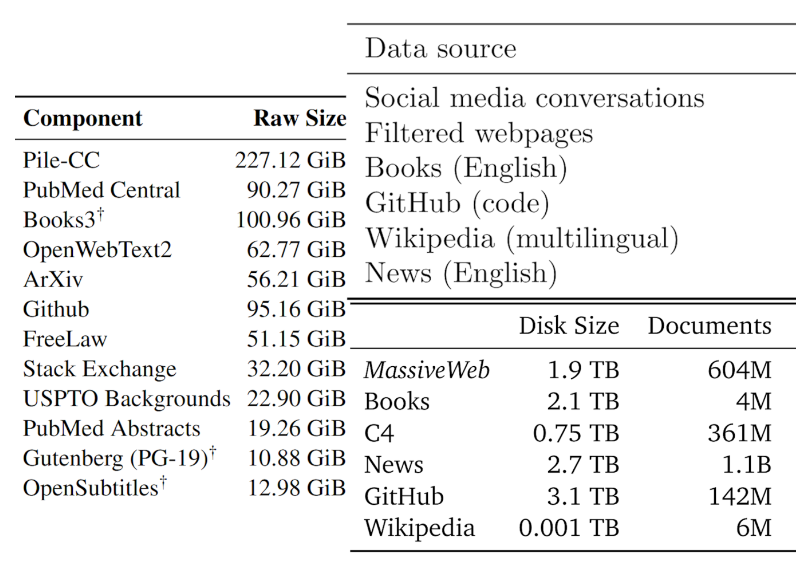
After pre-training, the general model can be fine-tuned for specific tasks. This involves training it further on a smaller, more specialized dataset. For example, a pre-trained model could be fine-tuned on a dataset of medical literature to become an expert assistant for doctors, or on a dataset of customer service chats to power a helpful chatbot.
This two-step process has unlocked a huge range of applications across many industries:
| Domain | Application |
|---|---|
| Customer Service | AI-powered chatbots that can answer questions and resolve issues. |
| Content Creation | Drafting emails, writing articles, and generating marketing copy. |
| Software Development | Writing code, debugging, and explaining code snippets. |
| Healthcare | Summarizing patient notes and analyzing medical research. |
| Education | Personalized tutoring and creating learning materials. |
As these models continue to grow in capability, they are becoming foundational components for more complex and autonomous systems.
What is the core function of a Large Language Model?
The 2017 paper "Attention Is All You Need" introduced which groundbreaking architecture that revolutionized language models?
This foundational understanding of what LLMs are, where they came from, and how they work is the first step toward building intelligent systems that can perform complex tasks.