Lithium Cell Types and Applications
Introduction to Lithium Cells
The Heart of the Battery
At its core, a lithium cell is a tiny power plant. Like any battery, it has three essential parts that work together to create an electrical current. Think of it like a sandwich. You have two pieces of bread and a filling in the middle.
The first piece of bread is the anode, which is the negative electrode. The second is the cathode, the positive electrode. The filling between them is the electrolyte, a chemical substance that allows charged particles, called ions, to flow through it.
The anode and cathode are made from materials that can store lithium ions. A very thin sheet of plastic, called a separator, keeps the anode and cathode from touching. If they touched, it would cause a short circuit. The whole assembly is soaked in the electrolyte.
How It Works
The magic of a lithium cell happens when it's connected to a device, like your phone. This completes an external circuit and kicks off a chemical reaction. The anode releases lithium ions () into the electrolyte and electrons () into the external circuit.
The lithium ions travel through the electrolyte and separator to the cathode. Meanwhile, the electrons cannot pass through the electrolyte. Instead, they travel through the external circuit, creating the electrical current that powers your device. When they reach the other side, they are reunited with the lithium ions at the cathode.
This process is called discharging. When you recharge the battery, you apply an external power source to reverse the flow. Lithium ions and electrons are forced to travel from the cathode back to the anode, where they are stored until you need them again.
Why Lithium?
Batteries have been around for a long time, so what makes lithium special? It comes down to a few key advantages.
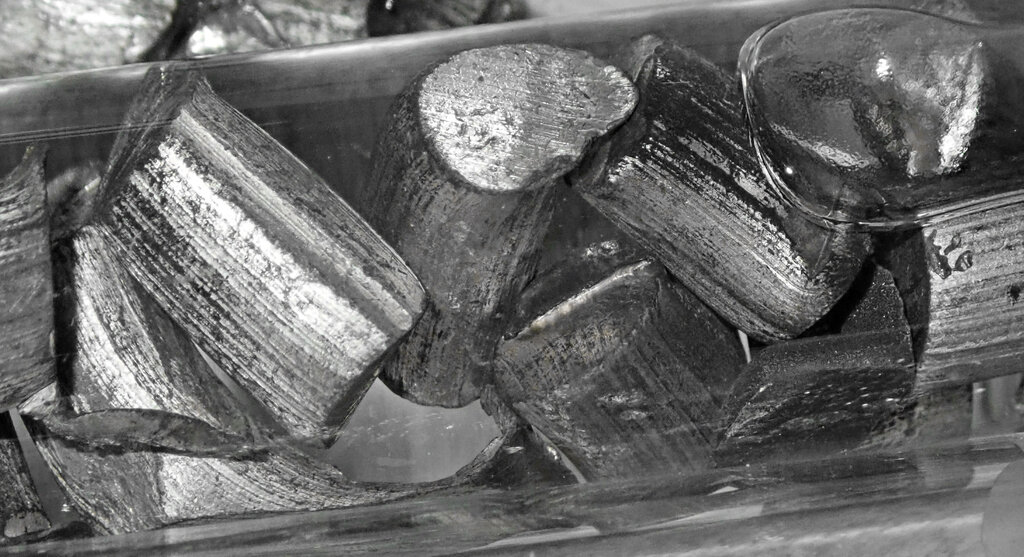
First is high energy density. Lithium is the lightest of all metals and has a strong tendency to give up its electrons. This combination means you can pack a lot of energy into a very small and lightweight package. It's the difference between a compact, high-calorie energy bar and a bulky, low-calorie rice cake.
Second, lithium cells have a low self-discharge rate. This means they can hold their charge for months without significant power loss. An old nickel-cadmium battery might lose 10% of its charge in the first 24 hours, while a lithium-ion battery loses only a few percent per month.
Finally, they don't suffer from the memory effect. Older rechargeable batteries, if not fully discharged before being recharged, would "forget" their full capacity. You can top off a lithium cell anytime without damaging its long-term health.
| Feature | Lithium-ion | Nickel-Cadmium (Ni-Cd) | Nickel-Metal Hydride (Ni-MH) |
|---|---|---|---|
| Energy Density | High | Low | Medium |
| Self-Discharge Rate | Very Low | High | High |
| Memory Effect | None | Yes | Minor |
These advantages are why lithium cells have become the standard for modern electronics. From smartphones and laptops to electric vehicles and grid-scale energy storage, their ability to deliver a lot of power from a light package has revolutionized how we use energy.
Ready to check your understanding?
In a lithium cell, what is the primary function of the electrolyte?
During the discharging process, which particles travel through the external circuit to power a device?
The simple but powerful chemistry of lithium cells is what makes much of our modern technology possible. Understanding these fundamentals is the first step to exploring the vast world of battery technology.