Lithium Battery Recycling Business Ventures
Supply Chain Logistics
Securing the Feedstock
A recycling plant without a steady supply of old batteries is like a mill without grain. The entire operation's success hinges on securing a consistent, reliable stream of feedstock—the raw material for the recycling process. This isn't as simple as putting out a collection bin. It requires building a sophisticated reverse supply chain to pull materials back from the market, rather than pushing them out.
Feedstock sources are diverse. They range from electric vehicle manufacturers dealing with production line rejects and end-of-life vehicle batteries, to consumer electronics take-back programs, to massive energy storage systems being decommissioned. Each source presents unique logistical puzzles and requires different partnership strategies. The competition for high-quality feedstock is fierce, as it directly impacts the economic viability of the recycling venture.
Industrial Scrap vs. Consumer Waste
Not all battery scrap is created equal. The material flowing into a recycling facility generally falls into two categories: post-industrial and post-consumer. Understanding the difference is critical for logistics and processing.
is the low-hanging fruit. It’s the clean, predictable waste generated during battery manufacturing. Think electrode sheet trimmings, rejected cells that fail quality control, or electrolyte overruns. This material is highly valued because its chemical composition is known and uniform, and it's typically generated in large, concentrated volumes at a single location, like a gigafactory. Sourcing it often involves direct contracts with battery manufacturers.
Post-consumer scrap is the much larger, more complex challenge. This includes every battery that has lived its life in a product—from a smartphone to an EV. These batteries are geographically scattered, come in countless shapes and sizes, and have varying states of health and chemical compositions. Collecting them is a massive logistical undertaking involving partnerships with auto dismantlers, electronics retailers, and municipal waste programs.
| Feature | Post-Industrial Scrap | Post-Consumer Scrap |
|---|---|---|
| Source | Battery manufacturing facilities | Used products (EVs, electronics) |
| Consistency | High (uniform chemistry) | Low (mixed chemistries, varied state of health) |
| Collection | Centralized, large volumes | Decentralized, small individual volumes |
| Purity | High | Lower (may have contaminants) |
| Logistics | Simpler, point-to-point | Complex reverse logistics network |
The Collection Network
Getting batteries from thousands of sources back to a central recycling plant requires a carefully designed network. The most effective approach is often a s. In this system, smaller, regional collection facilities act as the "hubs." These hubs aggregate batteries from various local sources—the "spokes," like auto repair shops or e-waste collection sites.
At the hubs, batteries can be sorted, tested, and safely packaged for bulk shipment. This consolidation minimizes transportation costs and the overall carbon footprint. Instead of hundreds of small, inefficient shipments crisscrossing the country, you have a few large, fully-loaded trucks moving from the hubs to the main processing facility. This strategy is essential for making battery recycling economically feasible on a large scale.
Handling Hazardous Goods
A crucial layer of complexity is that end-of-life lithium-ion batteries, especially damaged ones, are classified as hazardous materials. They pose fire risks due to the potential for s. This classification triggers strict regulations for packaging, labeling, and transportation.
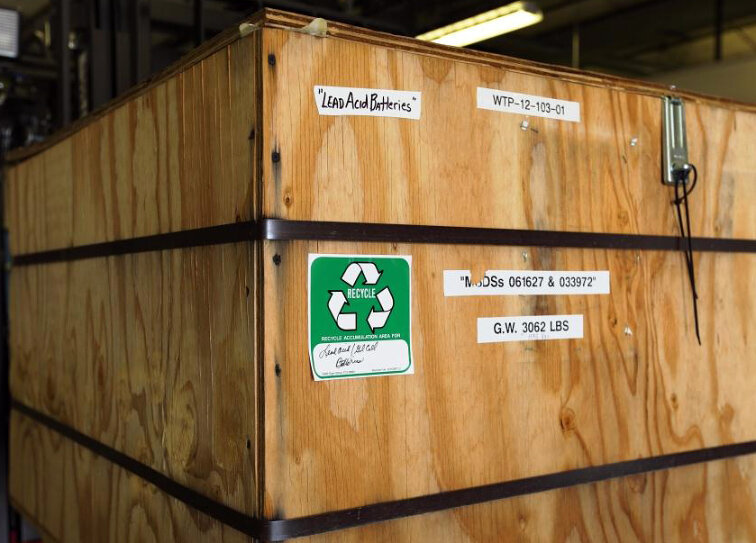
Drivers must have special certifications, and vehicles must meet certain safety standards. The packaging itself is highly engineered, often involving fire-suppressant materials and containers designed to withstand impact. Navigating this web of regulations, which can vary by region, is a major operational cost and requires specialized expertise. A single mistake can lead to significant fines and safety incidents, making compliance a top priority for any battery recycler.
What is the primary advantage of sourcing post-industrial battery scrap compared to post-consumer scrap?
A recycling company sets up several regional collection facilities to gather used EV batteries from local auto dismantlers. These facilities sort and package the batteries before sending them in large truckloads to a single, large processing plant. This logistical system is an example of what?
With the logistics in place, the next step is to process the materials that arrive at the facility.