Liquefied Natural Gas Explained
Introduction to LNG
What Is LNG?
Natural gas is a fossil fuel, but it has a problem: it's a gas. This makes it difficult to store and transport in large quantities. The solution is to turn it into a liquid. That's where Liquefied Natural Gas, or LNG, comes in. It's simply natural gas that has been cooled to an extremely low temperature.
Liquefied natural gas (LNG) is natural gas that has been cooled to -260 degrees Fahrenheit to reach a liquid state.
The main component of natural gas is methane (), typically making up 85-95% of the volume. The rest is a mix of other hydrocarbons like ethane, propane, and butane, along with small amounts of nitrogen, carbon dioxide, and other compounds. Before the gas is liquefied, most of these other components and impurities are removed, leaving an end product that is almost pure methane.
The Power of Condensing
The most important property of LNG is its density. Cooling natural gas to approximately -162°C (-260°F) causes it to condense into a clear, colorless liquid. This process is called liquefaction.
Because liquids are more compact than gases, LNG takes up only 1/600 of the space it does as a gas.
This incredible volume reduction is what makes LNG so useful. Imagine trying to ship a massive balloon across the ocean. Now imagine shrinking that balloon to fit in your hand. That's the advantage of liquefaction. It makes it economically feasible to transport natural gas over long distances, especially across oceans where pipelines aren't practical.
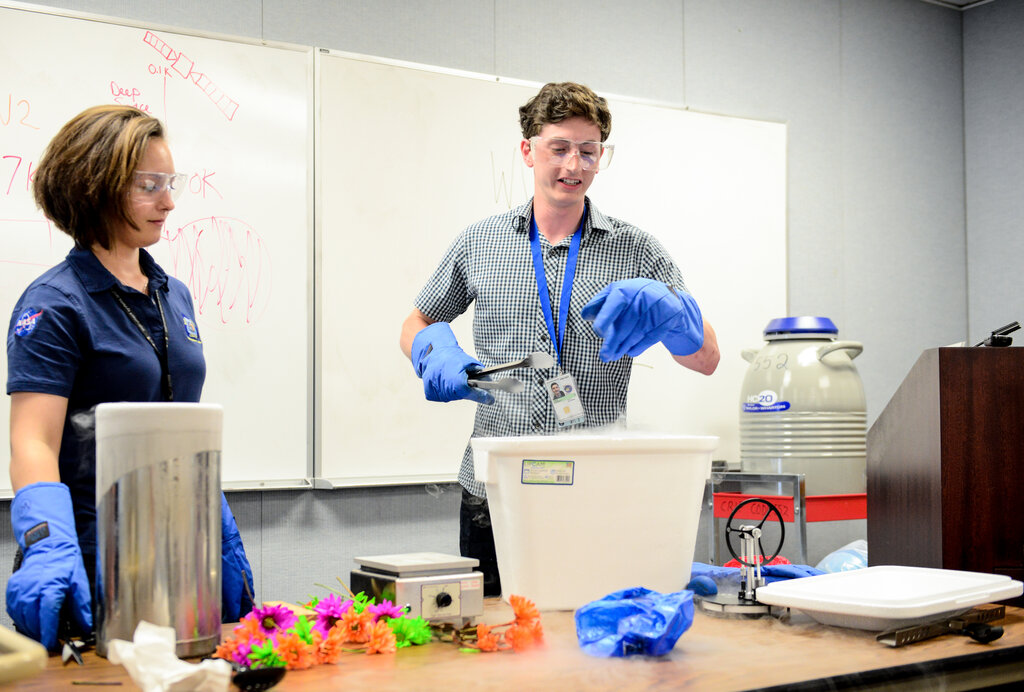
In its liquid state, LNG is not flammable. It also has a density less than half that of water, meaning it would float if spilled on water (before quickly warming up and turning back into a gas).
A Brief History
The science of liquefying gases dates back to the 19th century, but the first commercial LNG plant wasn't built until 1941 in Cleveland, Ohio. Early development was slow, marked by trial and error. A tragic accident in 1944 slowed progress in the United States for decades.
However, the global energy landscape was changing. In 1959, a converted freighter named the Methane Pioneer made the first-ever ocean voyage carrying LNG, traveling from Louisiana to the United Kingdom. This successful journey proved that long-distance transport was possible.
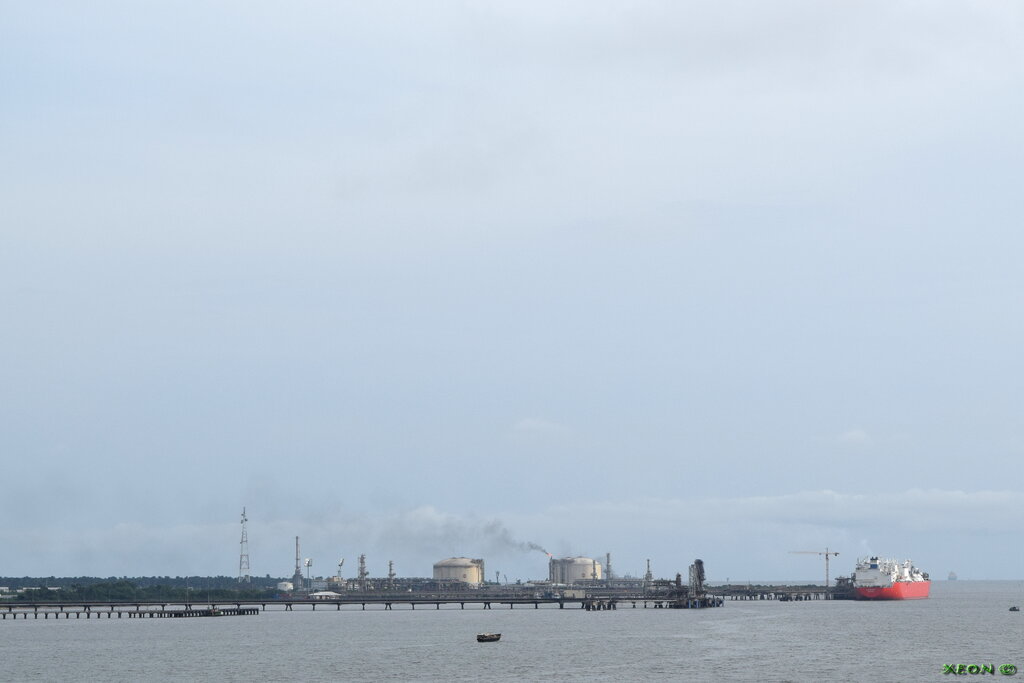
The industry began to grow steadily. Algeria became the first major exporter in 1964, shipping LNG to France and the UK. Over the following decades, as energy demand grew and technology improved, more countries in Asia, Europe, and the Middle East built the massive, complex facilities required to liquefy, ship, and regasify natural gas. Today, LNG is a cornerstone of the global energy market, connecting gas-producing regions with markets thousands of miles away.
Time to check your understanding of the basics.
What is the primary purpose of cooling natural gas to create Liquefied Natural Gas (LNG)?
What is the main component of natural gas, which makes up almost all of LNG after processing?