Lipids: Structure Function and Roles
Introduction to Lipids
What Are Lipids?
When you hear the word "lipid," you might think of fats. That's a good start, but it's only part of the story. Lipids are a large and diverse group of molecules found in all living things. They include fats, oils, waxes, and steroids.
Unlike other major biological molecules like carbohydrates or proteins, lipids aren't defined by a single, repeating chemical structure. Instead, they're grouped together by one key property: they don't mix well with water. This characteristic is called hydrophobicity.
Hydrophobic
adjective
Tending to repel or fail to mix with water.
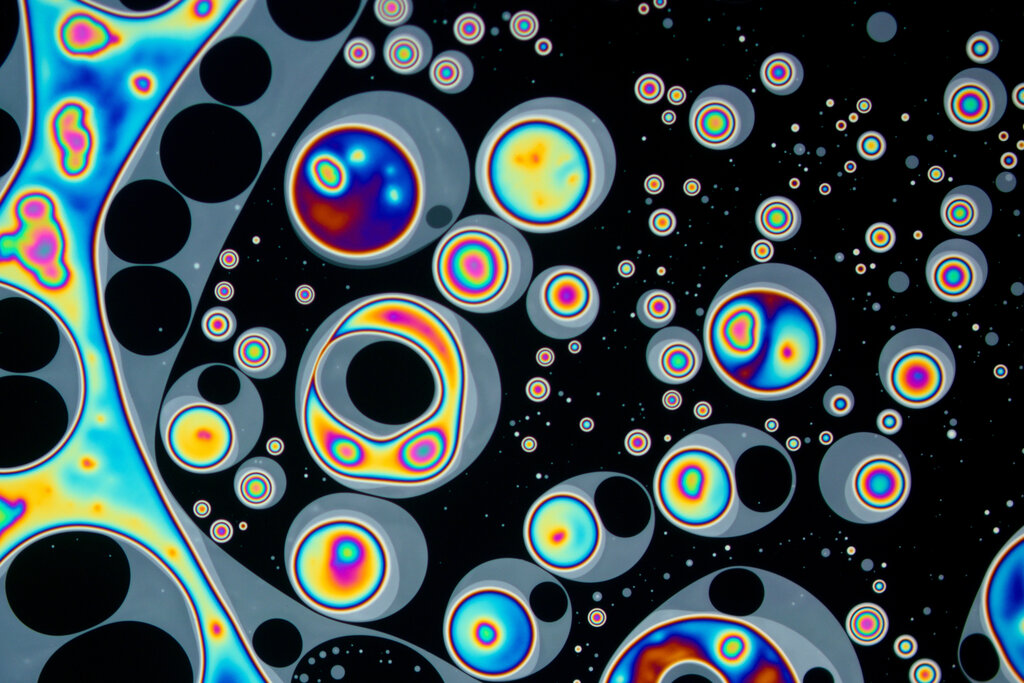
Think about what happens when you mix oil and vinegar for a salad dressing. No matter how much you shake it, the oil and vinegar eventually separate into layers. The oil is a type of lipid, and its refusal to dissolve in the watery vinegar is a perfect example of hydrophobicity in action. This property is central to everything lipids do in the body.
The Roles of Lipids
Because of their unique relationship with water, lipids perform several critical jobs in organisms. They are far more than just a source of calories.
Energy Storage Lipids are the body's go-to for long-term energy storage. A gram of fat stores more than twice as much energy as a gram of carbohydrate. This makes them a very efficient fuel reserve for animals, especially those that hibernate or migrate long distances.
Structural Components Every single cell in your body is wrapped in a membrane made primarily of lipids called phospholipids. This cell membrane acts as a barrier, controlling what gets in and out. Without this lipid-based container, a cell couldn't exist as a distinct entity. Lipids are also a key component of the membranes that surround organelles inside our cells.
Insulation and Protection Fat stored under the skin helps to insulate the body, keeping it warm. Vital organs, like the kidneys and heart, are also cushioned by a protective layer of fat that absorbs shocks and helps hold them in place.
Hormones and Vitamins Some lipids, like steroids, function as chemical messengers. Hormones such as estrogen and testosterone are steroids that regulate many bodily processes. Additionally, certain vitamins (A, D, E, and K) are fat-soluble, meaning they need lipids to be absorbed and transported throughout the body.
From storing energy to building cell walls and sending signals, lipids are essential multitaskers that life depends on.
Now, let's check your understanding of these fundamental concepts.
What is the primary characteristic that defines a molecule as a lipid?
The primary structural component of all cell membranes is a specific type of lipid. Which one is it?
In summary, lipids are a broad class of organic molecules defined by their inability to dissolve in water. This simple property allows them to perform a vast array of essential functions that are critical for life.