Lipid Digestion and Absorption Pathways
Oral and Gastric Lipid Digestion
The First Steps of Fat Digestion
When you eat something fatty, like cheese or avocado, the process of breaking it down begins almost immediately. Long before it reaches your intestines, your body starts tackling lipids right in your mouth and stomach. This initial phase is crucial, even if it only accounts for a fraction of total fat digestion.
The mouth is where the digestive tract begins. Enzymes released into the mouth start the process of digestion.
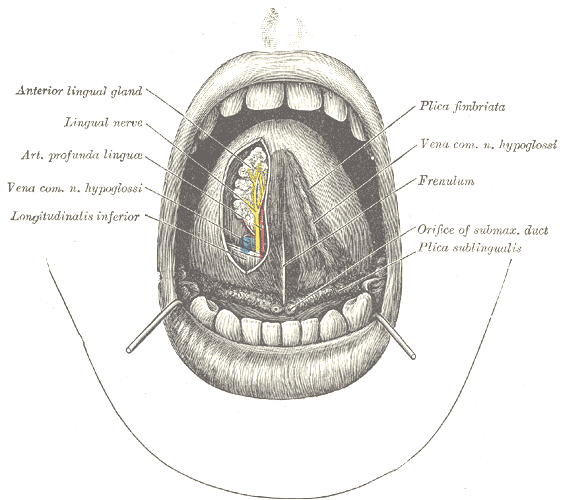
As soon as you start chewing, glands at the back of your tongue, called lingual glands, secrete an enzyme to get the process started.
Lipase
noun
An enzyme the body uses to break down fats (lipids) into smaller components that can be absorbed.
The specific enzyme released here is called lingual lipase. Because food doesn't stay in the mouth for very long, this enzyme doesn't do much work there. Instead, it mixes with the food and travels down to the stomach, where it becomes active in the acidic environment.
Action in the Stomach
Once the food arrives in the stomach, two things happen. First, the stomach's powerful muscles begin to churn and mix everything together. This mechanical process, called peristalsis, breaks large globules of fat into much smaller droplets. Think of it like shaking a bottle of oil and vinegar salad dressing. The oil breaks up, increasing its surface area.
Second, the stomach itself releases another enzyme, gastric lipase, from its chief cells. Both lingual and gastric lipase are known as acid lipases because they function effectively in the low pH of the stomach. They target triglycerides, the main form of fat in our diet.
Triglyceride
noun
A type of fat (lipid) found in your blood, composed of a glycerol molecule and three fatty acid chains.
These lipases snip one fatty acid off a triglyceride molecule, turning it into a diglyceride and a free fatty acid.
Despite all this action, only about 10% to 30% of total fat digestion occurs in the stomach. The process is limited but essential. It prepares the fats for the main event of digestion, which will take place in the small intestine.
By the time the stomach's contents, now a creamy mixture called chyme, are ready to move on, the fats are already partially broken down and emulsified, creating a much larger surface area for other enzymes to work on.
Where does the chemical digestion of fats first begin?
Both lingual lipase and gastric lipase are known as 'acid lipases'. What does this mean?