Linux Systems Administration Fundamentals
Linux Basics
A Quick History of Linux
In 1991, a Finnish student named Linus Torvalds started a project. He wanted to create a free, open version of the UNIX operating system that could run on his personal computer. He began by writing a kernel, the core component of an operating system, and posted about his work on an online message board.
What started as a personal project quickly grew. Developers from around the world saw his post and started contributing code. Torvalds combined his new kernel with existing tools from the GNU Project, a separate effort to create a complete free operating system. This combination of the Linux kernel and GNU software formed the basis of the operating system we know today. This is why some people refer to it as GNU/Linux.
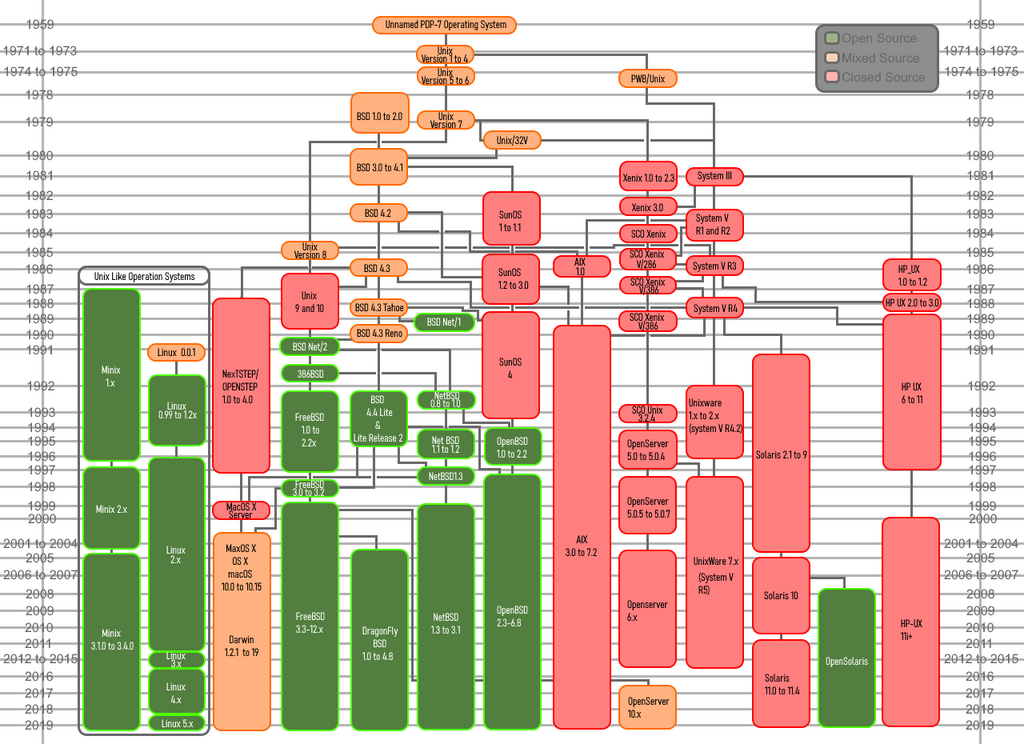
This collaborative effort was a departure from how major operating systems like Windows and macOS were built. Instead of a single company controlling everything, Linux was built by a global community. This open approach became one of its greatest strengths.
The Heart of the System
Every operating system has a kernel, and Linux is no exception. Think of the kernel as the engine of a car. You don't interact with it directly, but it handles all the critical functions that make the car run. It manages the engine's power, coordinates the wheels, and makes sure the electrical systems work.
The Linux kernel does something similar for your computer. It's the central program that manages all the hardware resources. It talks to the CPU, allocates memory for programs, and handles input from your keyboard and output to your screen. The kernel is the bridge between your software applications and the physical hardware.
This structure separates the core system functions (kernel space) from the applications you use (user space). This separation is a key design feature that makes the system stable and secure. If a web browser crashes in user space, it doesn't bring down the entire system because the kernel is protected.
Many Flavors of Linux
Unlike Windows or macOS, there isn’t just one version of Linux. Instead, there are hundreds of variations called distributions, or "distros."
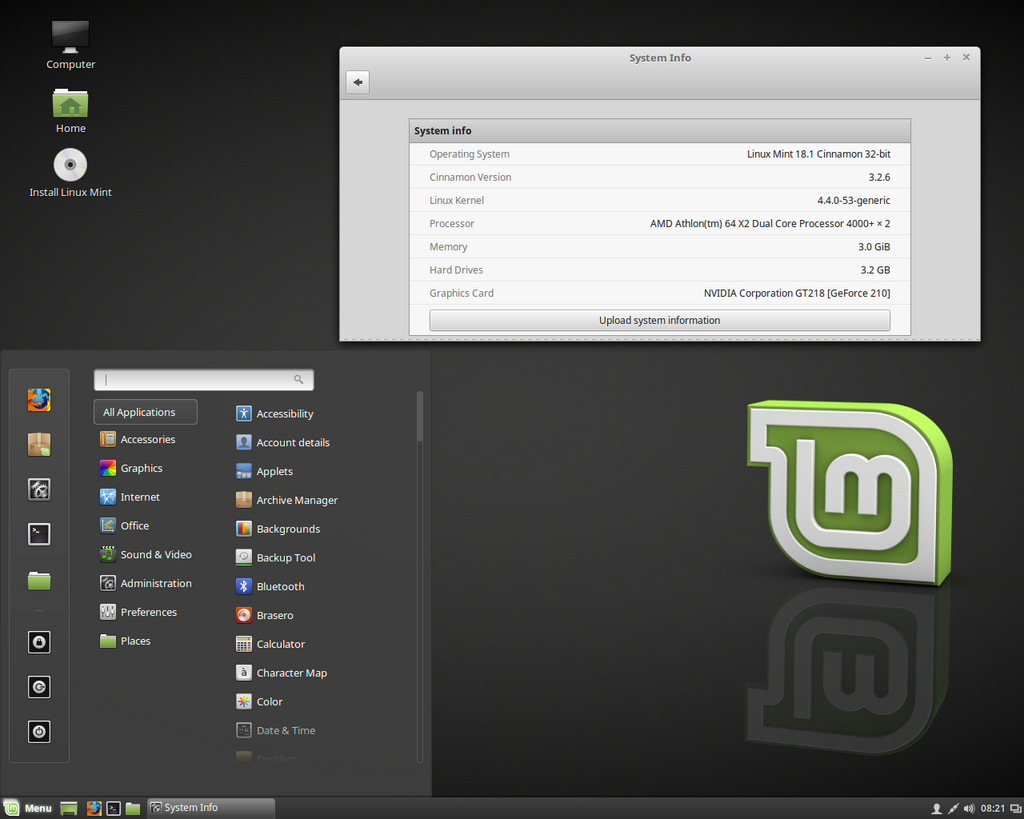
If the kernel is the engine, a distribution is the complete car. It packages the Linux kernel together with a collection of software: a desktop environment (the graphical interface), system utilities, and a set of pre-installed applications. Different distros are built for different purposes, just like you'd choose a truck for hauling and a sports car for racing.
| Distribution | Primary Use Case | Key Feature |
|---|---|---|
| Ubuntu | Desktops, Beginners | User-friendly, large community support |
| Debian | Servers, Stability | Rock-solid stability, foundation for many other distros |
| Fedora | Developers, Enthusiasts | Cutting-edge features, sponsored by Red Hat |
| Arch Linux | Advanced Users | Highly customizable, build-it-yourself philosophy |
Choosing a distro depends entirely on your needs. A newcomer might start with Ubuntu or Linux Mint for their ease of use, while a large corporation might use Red Hat Enterprise Linux for its servers because of the commercial support.
The Power of Open Source
The guiding principle behind Linux is the concept of open-source software. This doesn't just mean the software is free of cost—it's about freedom.
Open-source software provides users with the freedom to view, modify, and share the source code, which is the human-readable set of instructions that tells the computer what to do. This is a fundamental difference from proprietary or closed-source software, where the source code is a protected secret.
Source Code
noun
A set of instructions written by a programmer in a human-readable programming language. It is the blueprint for a computer program.
This openness has several key advantages:
- Transparency: Anyone can inspect the code for security flaws. This "many eyes" approach often leads to more secure and stable software.
- Customization: If you don't like how a program works, you have the freedom to change it to fit your needs.
- Collaboration: It fosters a community where people from all over the world can work together to improve software for everyone.
Linux is perhaps the most successful example of open-source software, powering everything from smartphones (Android is built on the Linux kernel) to the world's most powerful supercomputers.
Now that you understand the basic concepts, you're ready to explore what makes Linux such a powerful and flexible operating system. Let's test your knowledge.
Who initiated the Linux project in 1991 with the goal of creating a free version of the UNIX operating system?
What is the primary role of the Linux kernel?
Understanding these core ideas—the history, the kernel, the variety of distributions, and the open-source philosophy—provides a solid foundation for everything else you'll learn about Linux.