Linux Pacemaker High Availability
Introduction to High Availability
Keeping the Lights On
Imagine trying to withdraw cash, but the ATM is down. Or trying to buy something online during a big sale, only for the website to crash. These failures are more than just annoying; they can cost businesses money and erode customer trust. This is where high availability comes in.
High availability, or HA, is a design approach for computer systems that aims to ensure a high level of operational performance, usually uptime, for a higher-than-normal period. The goal is to minimize downtime and keep services running, even when things go wrong.
A highly available system is designed to be resilient. It anticipates failures and is built to handle them automatically without disrupting the service for users.
This isn't about preventing failures entirely, because hardware can always break and software can have bugs. Instead, it’s about making systems that can withstand those failures and continue to operate. Availability is often measured as a percentage of uptime in a given year. For example, a system with 99.999% availability (often called "five nines") is down for just over five minutes per year.
The Core Principles
Three key principles work together to create a highly available system: redundancy, failover, and load balancing.
Redundancy
noun
The duplication of critical components or functions of a system with the intention of increasing reliability.
Redundancy is like having a spare tire in your car. You hope you never need it, but if you get a flat, you're not stranded. In computing, this means having backup components, like extra servers, network connections, or power supplies. If one component fails, a redundant one is ready to take its place. There's no single point of failure that can bring the entire system down.

Having a backup isn't enough; the system needs a way to switch to it automatically. This is called failover. Think of a hospital's backup generator. When the main power goes out, the generator senses the failure and kicks in immediately, restoring electricity to critical equipment. A failover mechanism in an IT system works similarly. It constantly monitors the health of the primary component and, if it detects a problem, automatically redirects all traffic and operations to the redundant component.
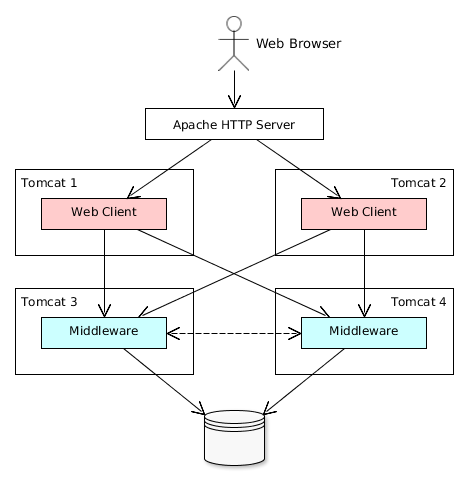
Finally, there's load balancing. Imagine a popular store with only one checkout counter. The line would get very long, and the cashier would be overwhelmed. The solution is to open more counters and direct customers to the shortest line. A load balancer does the same for web traffic. It sits in front of a group of servers (a server farm or cluster) and distributes incoming requests among them. This prevents any single server from becoming overloaded, which improves performance and reliability. If one server fails, the load balancer simply stops sending traffic its way and distributes it among the remaining healthy servers.
Where HA is Critical
While high availability is beneficial for almost any system, it's absolutely essential in some industries.
- Financial Services: Banks, stock exchanges, and payment processors handle transactions that are time-sensitive and critical. Any downtime can result in massive financial losses and damage to market confidence.
- Healthcare: Hospitals rely on computer systems for patient records, monitoring life-support equipment, and coordinating care. Uninterrupted access is a matter of patient safety.
- E-commerce: For online retailers, their website is their store. If the site is down, they can't make sales. This is especially true during peak shopping periods like Black Friday, where minutes of downtime can translate to millions in lost revenue.
- Telecommunications: Phone networks and internet service providers are expected to be available 24/7. High availability is fundamental to their business model.
High availability doesn’t mean never failing; it means failing well.
Achieving high availability involves a range of solutions. At a basic level, it might involve a simple two-server setup where one is a standby for the other. More complex solutions use sophisticated clustering software that groups many servers together, making them act as a single, highly resilient system. Modern cloud computing platforms like Amazon Web Services (AWS), Google Cloud, and Microsoft Azure offer built-in tools that make it easier to design and deploy highly available applications across multiple geographic locations.
Now, let's test your understanding of these core concepts.
What is the primary goal of a high availability (HA) design approach?
A system is designed with a primary server and a backup server. When the primary server goes offline, the system automatically redirects all traffic to the backup. What is this process called?
Understanding these principles is the first step toward building robust and reliable systems that users can count on.