Linux Operating System Fundamentals
Introduction to Linux
What is Linux?
Linux is an operating system, much like Windows or macOS. It's the software that manages all of the hardware resources on your computer and lets you interact with it. But unlike its more famous counterparts, Linux has a unique origin story and a powerful philosophy at its core.
It all started in 1991 with a Finnish student named Linus Torvalds. He wanted to create a free and open-source version of the UNIX operating system. What began as a personal project quickly attracted a community of programmers from around the world who were eager to contribute.
At its core, Linux is a kernel—the core of an operating system that manages hardware resources (CPU, memory, storage) and enables communication between software and hardware.
This collaborative effort is what made Linux grow into the stable, secure, and versatile system it is today. It powers everything from smartphones (Android is built on the Linux kernel) and smart TVs to the world's most powerful supercomputers and the servers that run the internet.
The Power of Open Source
The driving force behind Linux is the concept of open-source software. This means the source code, the very blueprint of the software, is freely available for anyone to view, modify, and share.
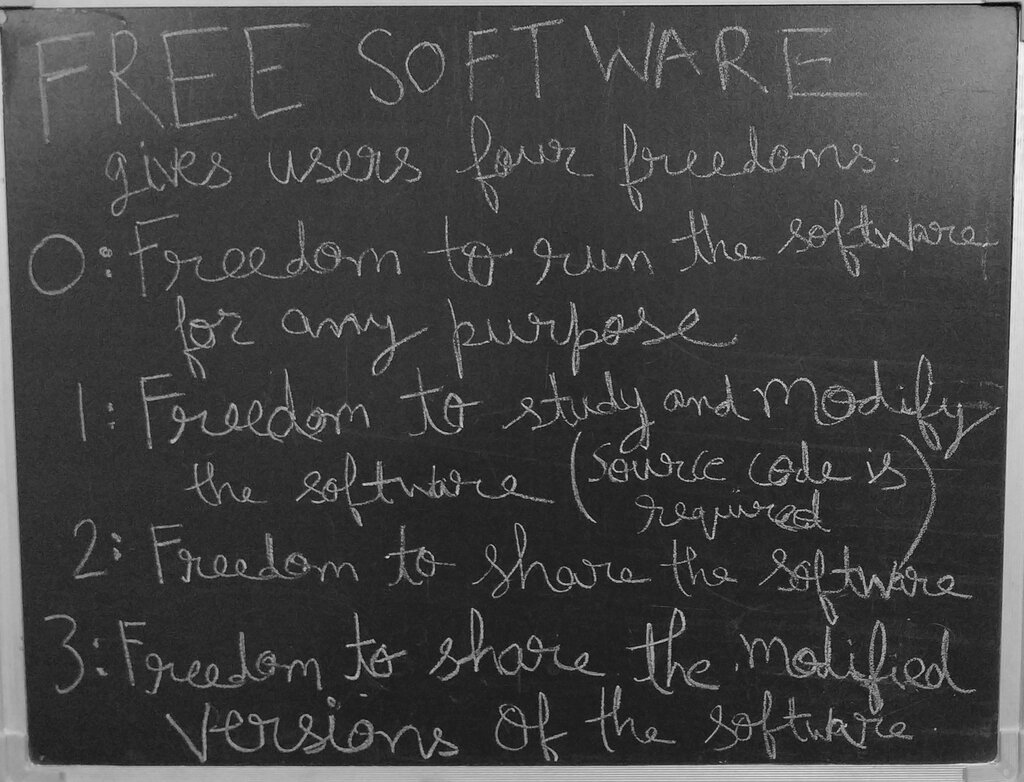
This is fundamentally different from proprietary software like Windows, where the code is a protected secret. The open-source approach fosters transparency and collaboration. If a user finds a bug or thinks of a new feature, they can write the code to fix or add it themselves and submit it for inclusion. This worldwide community of contributors constantly improves and secures the system.
Open source doesn't just mean access to the source code. It's a development model that allows for rapid innovation and a strong sense of community ownership.
A Flavor for Everyone
Because Linux is open source, no single company controls it. Instead, various organizations and communities package the Linux kernel with other software—like desktop environments, system tools, and applications—to create a complete, installable operating system. These packages are called distributions, or "distros."
There are hundreds of Linux distributions, each tailored for a different purpose or user. Some are designed to be extremely user-friendly for beginners, while others are built for specific tasks like scientific research, web hosting, or ethical hacking. This variety is one of Linux's greatest strengths.
| Distribution | Primary Focus |
|---|---|
| Ubuntu | User-friendly, great for beginners. |
| Fedora | Cutting-edge features, for developers. |
| Debian | Stability and reliability, powers many servers. |
| Arch Linux | Highly customizable, for advanced users. |
| Linux Mint | Simple and elegant desktop experience. |
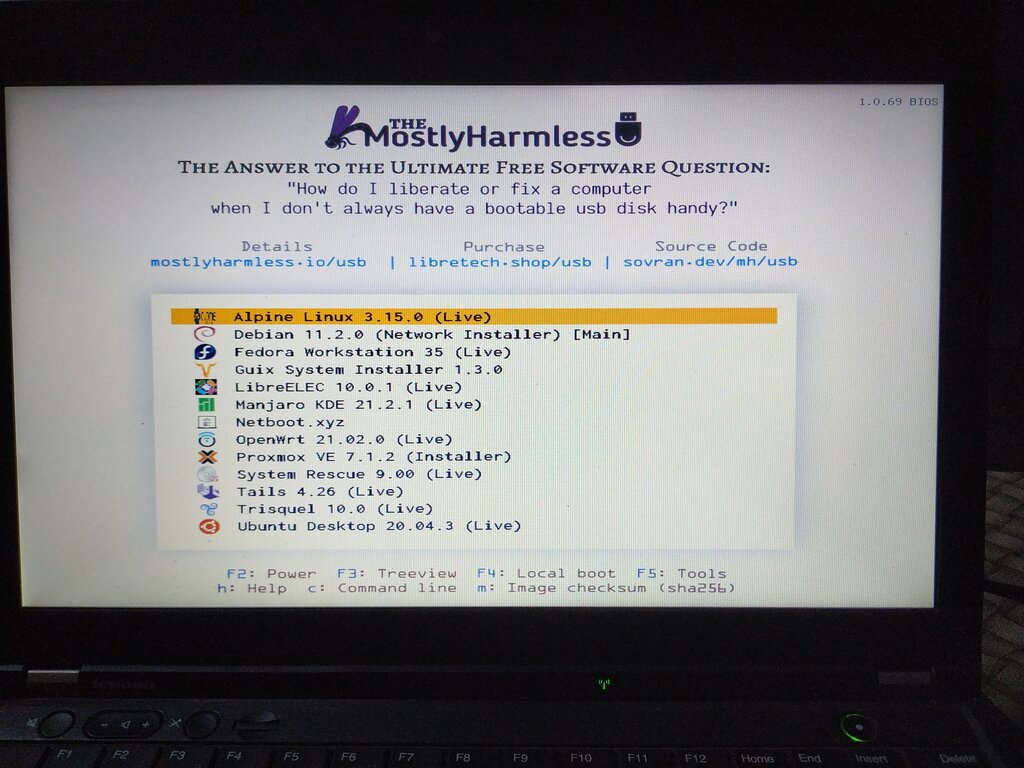
This choice allows you to pick an operating system that works exactly the way you want it to. Whether you're reviving an old computer or building a high-performance server, there's a Linux distro for you.
Who initiated the development of the Linux kernel in 1991?
What is the core philosophy behind Linux that allows its source code to be freely viewed, modified, and shared?