Linux Kernel Development Essentials
Linux Kernel Overview
The Core of the Operating System
At the heart of every Linux system is the kernel. Think of it as the engine in a car. While you interact with the steering wheel, pedals, and radio, it's the engine under the hood that manages the power, coordinates the moving parts, and makes everything actually go. The kernel does the same for your computer.
The kernel is the central component that manages your computer's hardware. This includes the CPU, memory, and all peripheral devices like your keyboard, mouse, and hard drive.
When you run an application, like a web browser, it doesn't talk to the hardware directly. Instead, it sends requests to the kernel. The kernel then translates these requests into instructions the hardware can understand. This process ensures that programs don't conflict with each other and that the system's resources are shared fairly and efficiently.
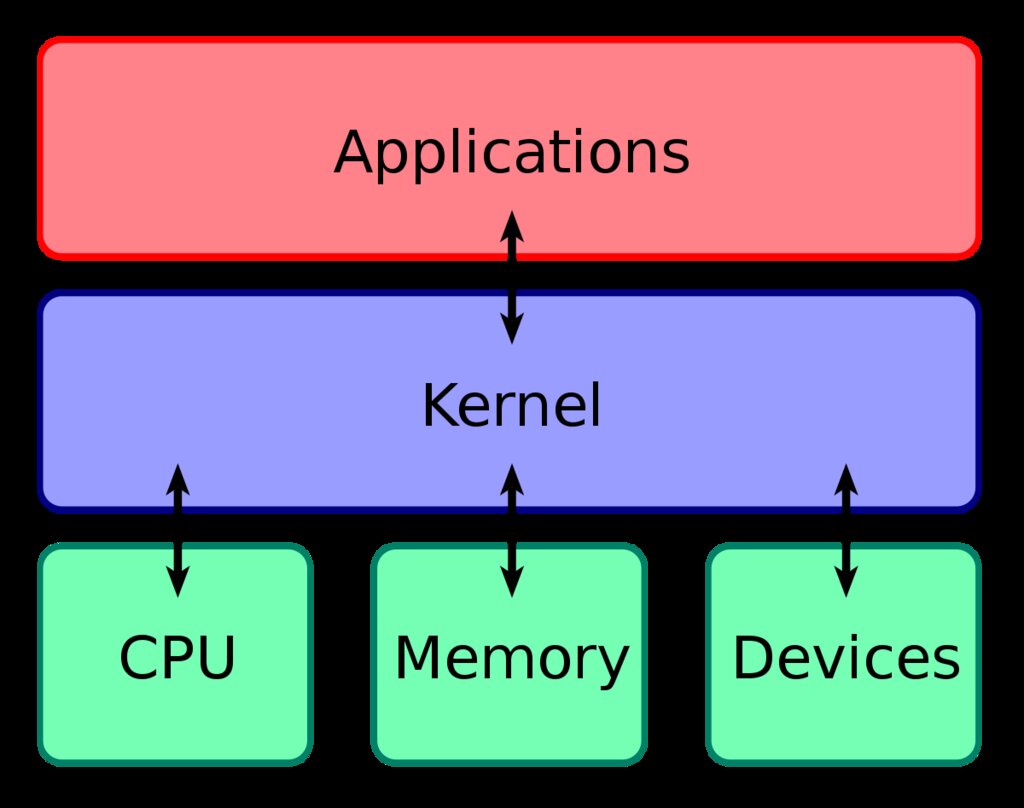
Kernel Space vs. User Space
To keep the system stable and secure, the operating system creates a strict boundary between its core functions and the applications you run. This separation is known as kernel space and user space.
Kernel space is a protected area of memory where the kernel lives and executes its tasks. It has unrestricted access to all hardware. This is a high-privilege zone. A crash here can take down the entire system.
User space is where your applications and regular programs run. It's a restricted, low-privilege environment. If a program in user space crashes, it typically doesn't affect the kernel or other applications. The system stays up and running.
For a program in user space to perform a privileged action, like reading a file from the disk, it must ask the kernel for help. This request is called a system call.
Monolithic but Modular
The Linux kernel uses what's known as a monolithic architecture. This means the entire core operating system runs as a single, large program in kernel space. All the basic services—process management, memory management, and file systems—are bundled together. This design is generally fast because all the parts can communicate with each other directly and efficiently.
The downside of a traditional monolithic design is its rigidity. To add support for new hardware, you'd historically have to rebuild the entire kernel. But Linux has a clever solution: a modular design.
module
noun
A piece of code that can be loaded into or removed from the kernel as needed, without rebooting the system.
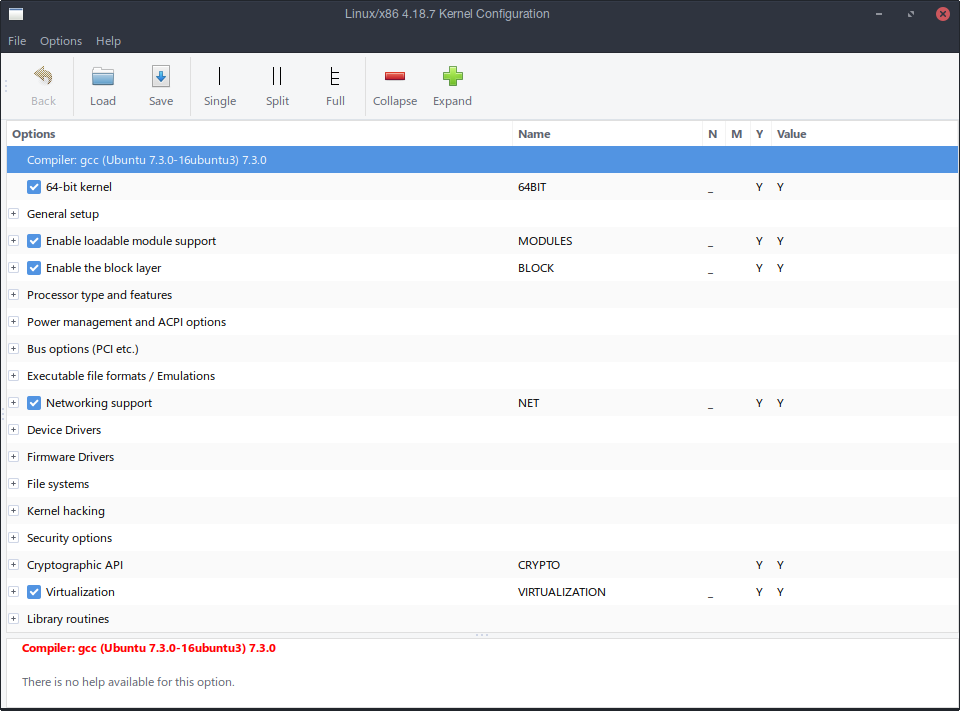
These modules, often called Loadable Kernel Modules (LKMs), allow the kernel to be extended dynamically. The most common use for modules is for device drivers. When you plug in a new piece of hardware, the kernel can load the appropriate module to make it work. When you unplug it, the module can be unloaded, freeing up memory.
This approach gives Linux the best of both worlds: the speed of a monolithic kernel with the flexibility of a modular system.
An Open-Source Community
The Linux kernel is not developed by a single company. It's a massive open-source project with thousands of contributors from all over the world. Programmers from different companies, as well as independent hobbyists, work together to improve it.
The development process is continuous and transparent. Developers submit changes, called patches, to public mailing lists. These patches are reviewed and debated by other developers. If a change is approved by the maintainers of a specific subsystem (like networking or storage), it gets included. Linus Torvalds, the original creator of Linux, is the final arbiter, overseeing the entire process and releasing new versions of the kernel every few months.
This community-driven model has allowed the Linux kernel to evolve rapidly, supporting an enormous range of hardware and incorporating new technologies at a remarkable pace.
Time to check your understanding.
What is the primary role of the Linux kernel?
If a non-essential application, like a music player, crashes on a Linux system, what is the most likely outcome?
The kernel is the foundational layer that makes everything else in Linux possible. It's a powerful, flexible, and constantly evolving piece of software that powers everything from smartphones to supercomputers.