Linux Fundamentals
Linux History
A Hobby Project Takes Over
In 1991, the world of operating systems was dominated by expensive, proprietary software like UNIX and the emerging Microsoft Windows. For students and hobbyists, there wasn't a powerful, free option to experiment with. A Finnish student named Linus Torvalds decided to change that.
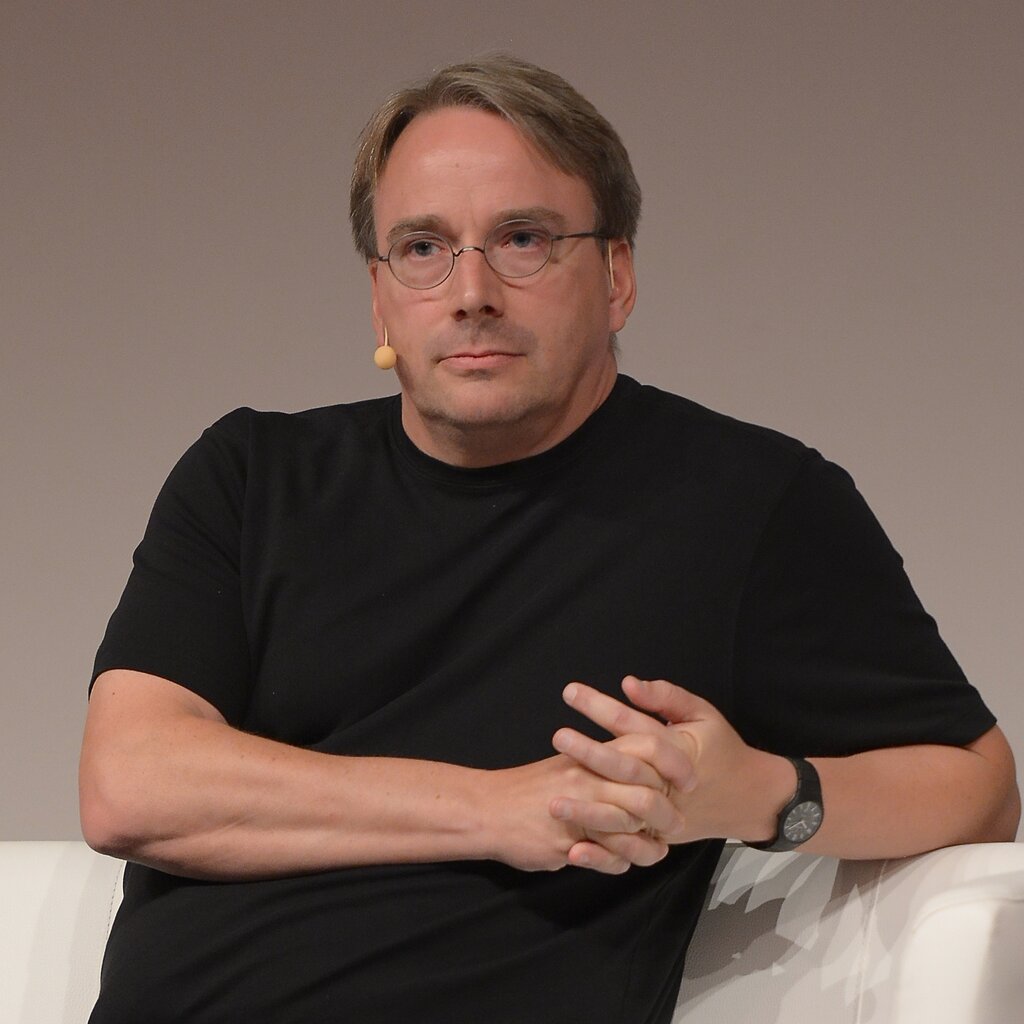
Working on his own, Torvalds started building a new operating system kernel. The kernel is the core of an OS; it manages the computer's hardware and allows software to run. He was inspired by Minix, a smaller version of UNIX meant for educational purposes, but he wanted to build something from scratch that he could shape himself.
He famously announced his project in an online message board, calling it "just a hobby, won't be big and professional." Little did he know, this hobby would grow to power a huge portion of the world's technology.
Torvalds's kernel, which he named Linux, was just one piece of the puzzle. To create a complete operating system, it needed other software: tools, utilities, and applications. This is where the GNU Project, started by Richard Stallman, came in. GNU had already created a suite of free software tools but was missing a kernel. The combination of the Linux kernel with the GNU system created a complete, free operating system, often called GNU/Linux.
Fueled by Community
The most crucial decision in Linux's history was Torvalds's choice to release it under the GNU General Public License (GPL). This open-source license meant that anyone could freely use, study, modify, and share the software. The only rule was that any changes they shared also had to be open-source.
This decision transformed Linux from a personal project into a global collaboration. Programmers from all over the world began contributing code, fixing bugs, and adding features. This decentralized development model allowed Linux to evolve far more rapidly than any single company could manage.
From Servers to Smartphones
The core Linux kernel is just that: a kernel. To make it a usable OS for everyday tasks, it needs to be packaged with other software. These bundles are known as distributions, or "distros."
Think of the kernel as the engine of a car. A distribution adds the body, wheels, dashboard, and seats. It bundles the Linux kernel with a collection of software, like the GNU utilities, a desktop environment (the graphical interface), and applications like web browsers and office suites. This is why there isn't just one "Linux" but hundreds of different versions tailored for different needs.
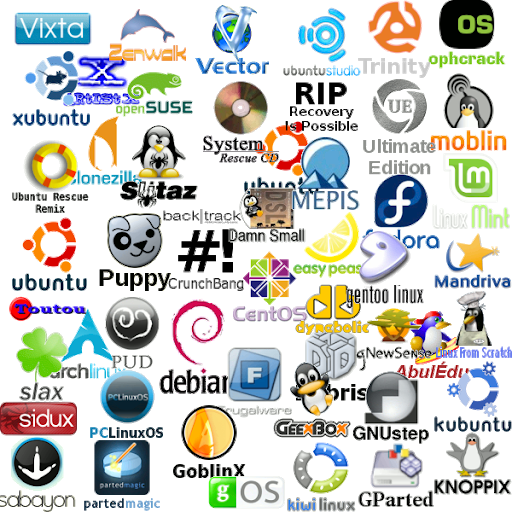
Early distributions like Slackware and Debian were powerful but required a lot of technical know-how. Later, companies like Red Hat and SUSE began offering Linux distributions with commercial support, making it a viable choice for businesses to run their servers.
The real breakthrough for everyday users came with distributions like Ubuntu, which launched in 2004. Ubuntu focused on ease of use and a polished desktop experience, making it much easier for people to switch from Windows or macOS.
Today, Linux is everywhere. It runs the vast majority of the world's web servers, powers the top 500 supercomputers, and is the foundation for Android, the most popular mobile operating system on the planet. What began as one student's hobby has become the backbone of modern computing, all thanks to the power of open-source collaboration.
Who created the Linux kernel and what was his primary motivation?
What was the most significant impact of releasing Linux under the GNU General Public License (GPL)?