Linux Fundamentals
Introduction to Linux
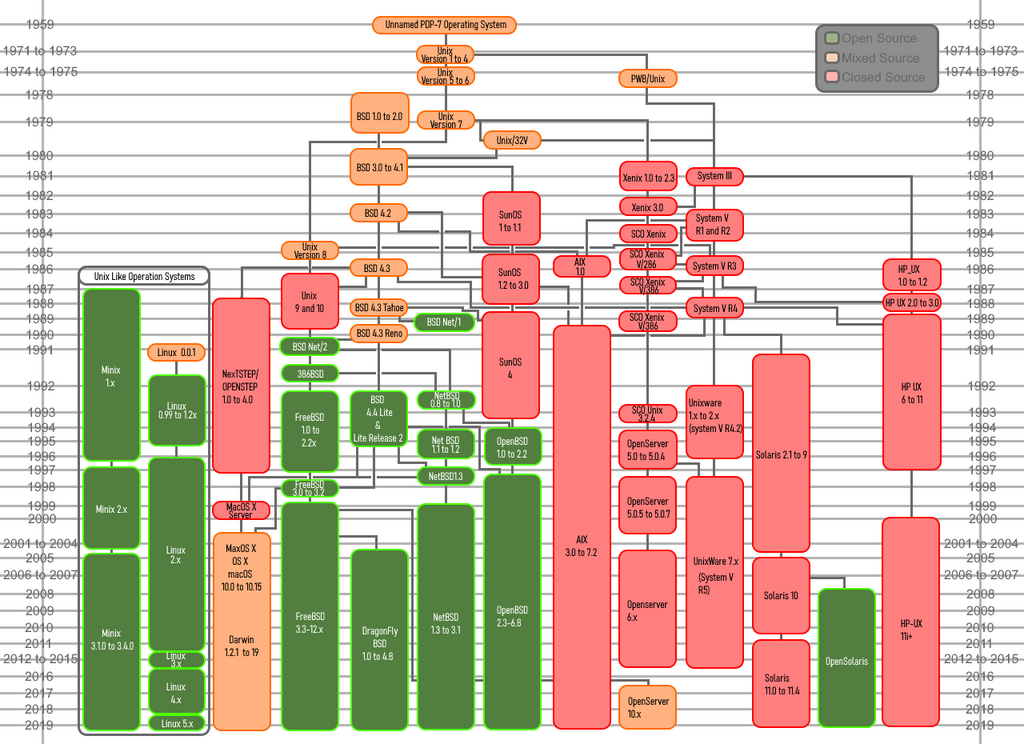
A Kernel of an Idea
In 1991, a Finnish student named Linus Torvalds started a personal project. He wanted to create a free operating system kernel, just for fun. He was working with an OS called MINIX and wanted to build something that went beyond its limitations. This project, which he announced on the internet, would eventually become the Linux kernel.
kernel
noun
The core component of an operating system. It manages the system's resources and acts as the central communicator between hardware and software.
A kernel alone isn't a full operating system. It needs other software tools to be useful, like file managers, text editors, and compilers. Around the same time, the GNU Project, led by Richard Stallman, had created many of these high-quality, free tools but was missing a kernel.
The combination was a perfect match. When the GNU tools were paired with the Linux kernel, a complete, free, and open-source operating system was born. This is why you sometimes see it called GNU/Linux. This collaboration marked the beginning of a new era in computing.
What Makes Linux Different?
The single most important feature of Linux is that it's open source. This means its source code, the human-readable instructions that form the software, is freely available for anyone to view, modify, and share.
This open philosophy fosters transparency and collaboration. Instead of a single company controlling the code, a global community of developers works together to improve it.
This leads to several key advantages:
- Stability and Reliability: With thousands of developers examining the code, bugs are found and fixed quickly. This makes Linux systems incredibly stable, which is why they are a popular choice for servers that need to run without interruption for years.
- Security: The same collaborative review process helps identify and patch security vulnerabilities faster than in many proprietary systems. The system's design also strictly manages user permissions, making it difficult for viruses to cause system-wide damage.
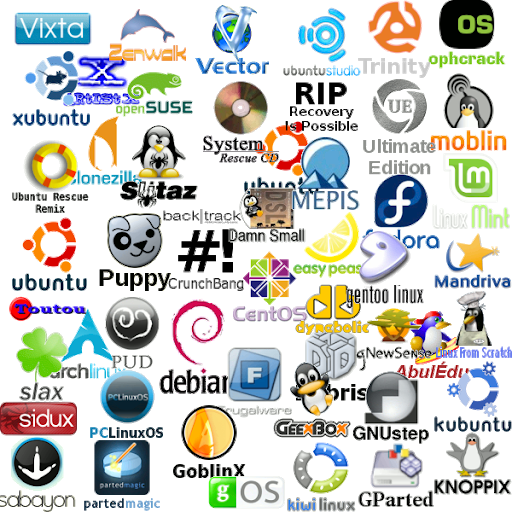
- Flexibility: Because the source code is open, you can modify it to fit any need. This has led to the creation of hundreds of different versions of Linux, known as distributions (or "distros"). Each distro bundles the Linux kernel with different software and a unique user interface. Some are designed for beginners, others for developers, and some for specific scientific tasks.
Linux Is Everywhere
While it may not dominate the desktop market like Windows or macOS, Linux is arguably the most widespread operating system on the planet. Its flexibility allows it to power a vast range of devices.
Most of the internet runs on Linux. The majority of web servers, cloud infrastructure, and the supercomputers that power scientific research all rely on it. When you use Google, Facebook, or Amazon, you are interacting with Linux servers.
It's also in your pocket. The Android operating system, which runs on billions of smartphones, is built on top of the Linux kernel.
Beyond servers and phones, Linux is a leader in embedded systems. It runs in smart TVs, home routers, car entertainment systems, and even the flight control systems on SpaceX rockets. Its low cost and adaptability make it perfect for custom hardware.
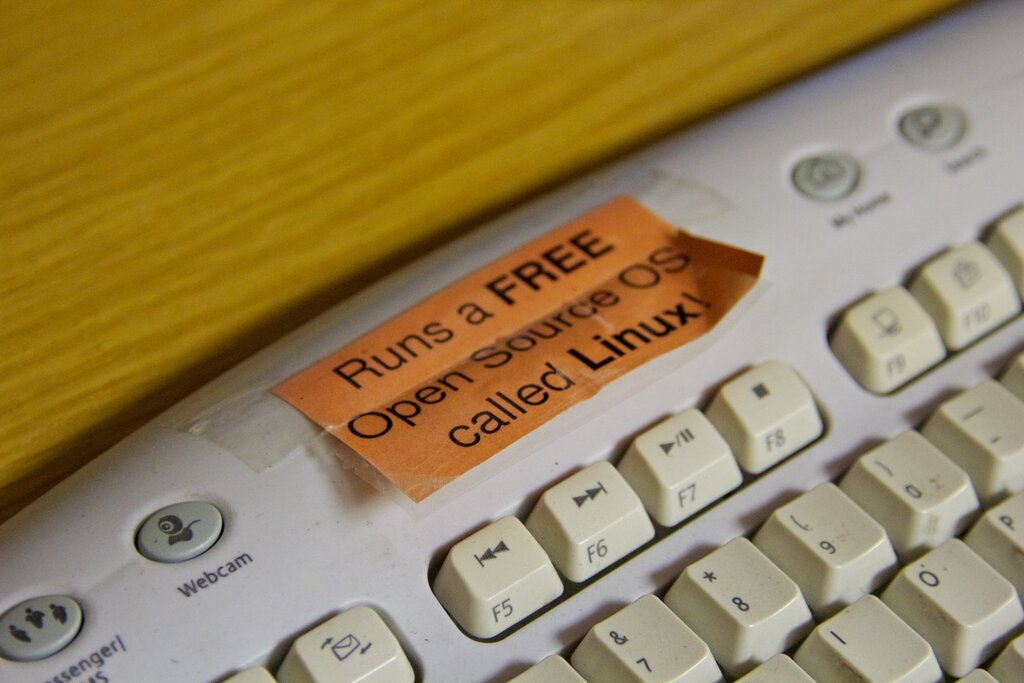
And yes, Linux is also a fantastic desktop operating system. Distributions like Ubuntu, Mint, and Fedora offer polished, user-friendly experiences with access to a massive library of free, open-source software for everything from office work to creative production.
The Power of Community
Linux is more than just code; it's a worldwide community. This community includes individual hobbyists, large corporations like Google and IBM, and non-profit foundations. They all contribute to the development of the kernel and the software that runs on it.
This collaborative model means that development isn't driven solely by corporate profits. Instead, it's driven by the needs and passions of its users. If a group of users needs a specific feature, they can develop it themselves and share it with everyone. This culture of sharing and mutual support is what has allowed Linux to thrive and innovate for over three decades.

Now that you have an idea of what Linux is and where it came from, let's review some key terms.
Ready to test your knowledge?
What was the initial relationship between the Linux kernel and the GNU Project?
The open-source nature of Linux leads to several advantages. Which of the following is the primary reason for its high stability and security?
You've taken the first step in understanding one of the most important pieces of technology in the modern world. You've seen how a small personal project grew into a global phenomenon that powers our digital lives.