Linux Fundamentals
Introduction to Linux
What is Linux?
Linux is an operating system, much like Windows or macOS. It's the software that manages all of the hardware resources on your computer and lets you interact with it. But unlike its more famous counterparts, Linux has a unique origin story and philosophy.
It all started in 1991 with a Finnish student named Linus Torvalds. He wanted to create a free and open-source version of the UNIX operating system. He posted his project online, and a global community of developers started to contribute. This collaborative effort is what makes Linux special. It isn't owned by a single company; it's developed and maintained by a vast network of volunteers and professionals around the world.
The Power of Open Source
Linux is the most famous example of open-source software. This means its source code—the human-readable instructions that tell the computer what to do—is available for anyone to see, modify, and share.
Think of it like a recipe. With a proprietary or "closed-source" system like Windows, you get the finished cake, but the recipe is a secret. With an open-source system, you not only get the cake, but you also get the full recipe. You can study it, change an ingredient to make it better, and share your improved recipe with your friends.
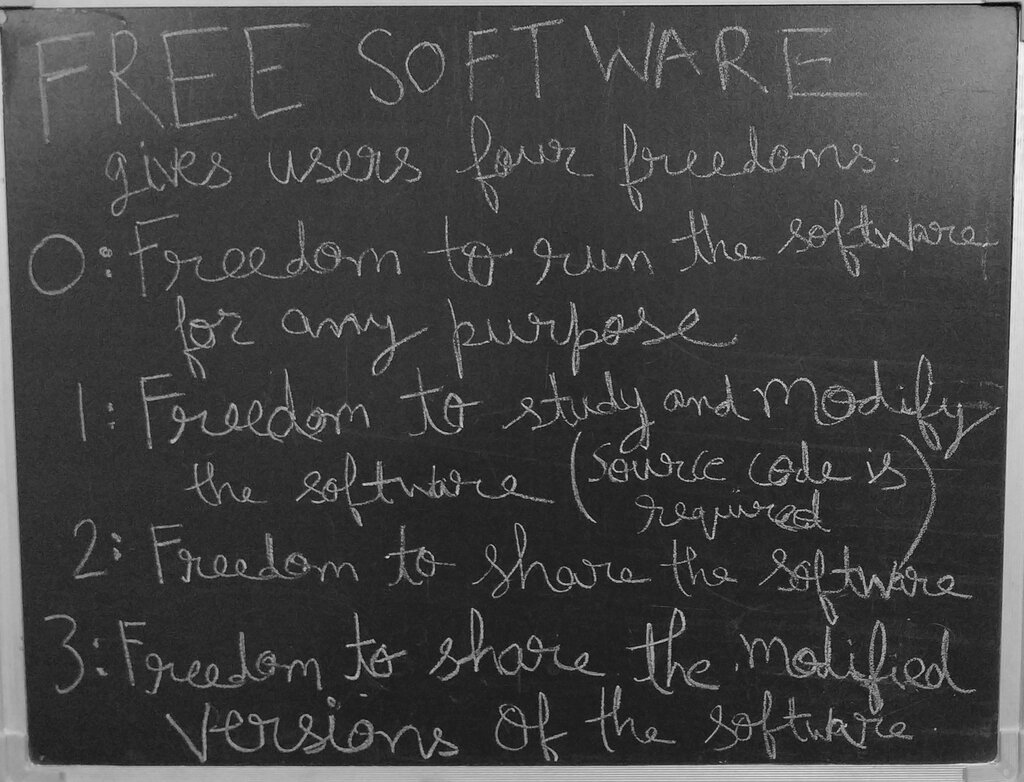
This philosophy grants users four essential freedoms: the freedom to run the program for any purpose, to study how it works and change it, to redistribute copies, and to distribute copies of your modified versions to others. This openness fosters transparency, collaboration, and rapid innovation, as anyone can contribute ideas and fix problems.
How Linux is Built
A Linux operating system is not one single thing. It's a collection of components that work together. The three main parts are the kernel, the shell, and the user space.
The Kernel is the heart of the operating system. It's the first program that loads when you turn on your computer. The kernel's job is to manage the computer's hardware, like the CPU, memory, and storage devices. It acts as a bridge between your software and the physical hardware, translating requests into instructions the hardware can understand.
The Shell is a program that provides a command-line interface (CLI) for interacting with the kernel. It's a powerful tool that lets you run programs, manage files, and configure the system by typing commands. While graphical interfaces exist for Linux, the shell remains a fundamental and efficient way to control the system.
User Space is everything else. This includes all the applications you use, from web browsers and music players to programming tools and system utilities. These programs run on top of the kernel and interact with it (often through the shell) to get things done.
Where You'll Find Linux
Because it's free, stable, and versatile, Linux is everywhere. You might be surprised how often you interact with it.
Most of the internet runs on Linux. It powers the vast majority of web servers, cloud infrastructure, and the world's fastest supercomputers. Its reliability and efficiency make it the top choice for demanding, large-scale applications.
Linux is also a popular choice for desktop computers, especially among developers and scientists who value its power and flexibility.
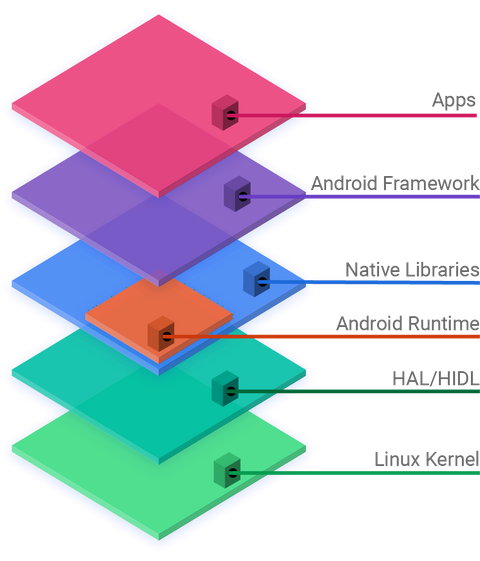
But its biggest impact is in embedded systems. These are specialized computers inside other devices. The Android operating system on your phone is built on top of the Linux kernel. Your home Wi-Fi router, smart TV, and even some cars and refrigerators run on Linux. Its small footprint and customizability make it perfect for powering the devices that shape our modern world.
Let's check your understanding of these core concepts.
Who initiated the development of the Linux operating system in 1991?
The open-source philosophy of Linux is compared to having a recipe for a cake, not just the finished cake. What does this analogy primarily illustrate?
From powering the internet to running the smartphone in your pocket, Linux is a foundational piece of modern technology, all thanks to its open-source, collaborative roots.