Linux Essentials
Introduction to Linux
What Is Linux?
At its core, Linux is an operating system kernel. The kernel is the central part of an OS that manages the computer's hardware and resources. It's the bridge between your software applications and the physical hardware that makes your computer run.
Linux was created in 1991 by a Finnish student named Linus Torvalds. He wanted to create a free and open-source alternative to MINIX, another Unix-like operating system. He announced his project on the internet, and a community of developers quickly formed to contribute to it.
Because of its open-source nature and Unix-like design, Linux quickly grew in popularity. It was stable, flexible, and could be modified by anyone to fit their needs. This adaptability is a key reason why it's used in so many different places today.
Why Use Linux?
Linux is a powerful force in modern computing, from powering the majority of the world's web servers to running on the tiny computers inside smart devices. There are a few key reasons for its widespread adoption.
It's open source. This is perhaps its most important feature. The source code for Linux is freely available for anyone to view, use, and modify. This fosters a collaborative environment where developers from around the world contribute to its improvement. It also means you don't have to pay for a license to use it.
Linux is also known for its stability and security. Its architecture, inherited from Unix, is designed to be robust and secure. It's less susceptible to malware and viruses than other operating systems, which is why it's a popular choice for servers that need to run without interruption.
Finally, it's incredibly flexible. Linux can be tailored for a huge range of devices. It runs on supercomputers, enterprise servers, desktop computers, smartphones (Android is built on the Linux kernel), and even embedded systems like smart TVs and car dashboards.
A World of Flavors
Because Linux is open source, anyone can package the kernel with their own selection of software to create a complete operating system. This package is called a Linux distribution, or "distro" for short.
Think of it like cars. Many different car companies might use the same basic engine design, but they each build a different car around it with a unique body, interior, and features. Similarly, all Linux distros share the Linux kernel, but they offer different user interfaces, software packages, and philosophies.
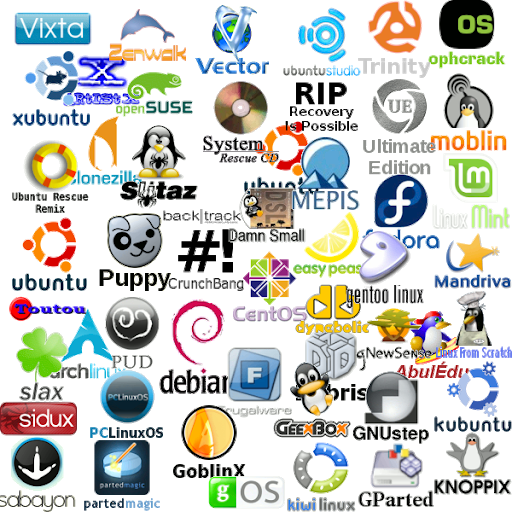
There are hundreds of distros available, but a few have become very popular. Here are some of the most common ones:
| Distribution | Best For | Key Feature |
|---|---|---|
| Ubuntu | Beginners, Desktops | Very user-friendly with a large community. |
| Fedora | Developers, Latest Tech | Cutting-edge software and features. |
| Debian | Servers, Stability | Extremely stable and reliable with a huge software repository. |
| Arch Linux | Experts, Customization | A minimal base that you build yourself. |
| Linux Mint | Windows Migrants | A familiar and easy-to-use desktop experience. |
Choosing Your Distro
With so many options, picking the right distro can seem daunting. The best choice depends entirely on your needs and experience level. Here are a few questions to ask yourself:
-
How comfortable are you with computers? If you're new to Linux, a beginner-friendly distro like Ubuntu or Linux Mint is a great starting point. They have graphical installers and intuitive desktop environments.
-
What will you use it for? If you're a developer who wants the latest software, Fedora might be a good fit. If you need a rock-solid server, Debian is a classic choice. If you love to tinker and build your system from the ground up, you might enjoy Arch Linux.
-
What kind of hardware do you have? Some distros are lightweight and designed to run well on older computers, while others are packed with features that require more modern hardware.
Don't worry about finding the "perfect" distro right away. The beauty of Linux is that you can try many of them without affecting your current system by running them from a USB drive. It's a journey of exploration.
What is the primary role of the Linux kernel?
A complete operating system that includes the Linux kernel plus a selection of software, tools, and a user interface is called a what?
Linux offers a powerful and flexible alternative for computing, driven by a global community. Understanding its core principles and the variety of distributions is the first step into a larger world.