LinkedIn Profile Optimization for Recruiters
Profile Basics
Your Digital First Impression
Your LinkedIn profile is often the first place a recruiter or potential collaborator will look you up. It’s your digital handshake. Getting the first few elements right is crucial because they form a powerful first impression before anyone reads about your work experience.
Your LinkedIn profile is your digital resume, networking platform, and professional brand rolled into one.
The Right Profile Photo
A profile without a photo can look incomplete or inactive. The right picture makes your profile feel more personal and credible. In fact, LinkedIn says that profiles with a professional photo get significantly more views and connection requests.
But what makes a photo “professional?” It doesn't mean you need to hire a photographer. Just follow a few simple rules:
- Use a headshot: Your face should take up about 60% of the frame. A full-body shot is too distant.
- Look approachable: Smile and look directly at the camera. A friendly expression invites connection.
- Keep the background simple: A cluttered or distracting background takes the focus off you. A solid-colored wall or a tastefully blurred outdoor scene works well.
- Be the only one in the picture: Avoid group photos, pictures with your pets, or cropped images where someone else’s shoulder is visible.
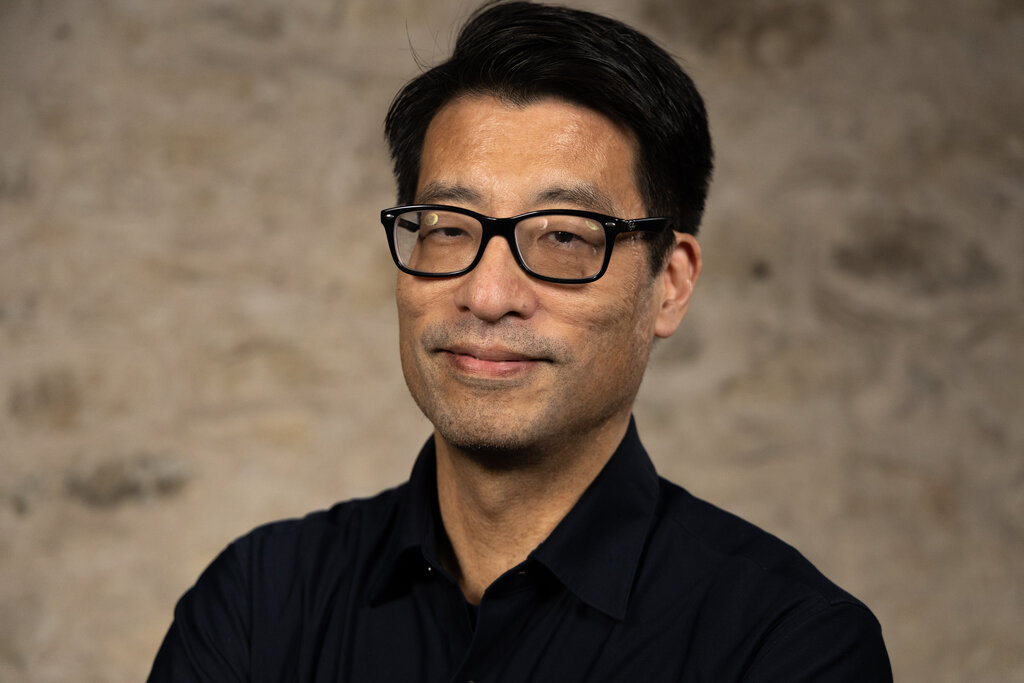
Think of it this way: your photo should look like you on your best day at work.
Crafting Your Headline
Your headline is the short description directly under your name. It’s not just for your current job title. This text follows you everywhere on LinkedIn, appearing next to your name in search results, comments, and connection requests. It’s your professional tagline.
By default, LinkedIn uses your current job title and company, but you can—and should—customize it.
Your headline is one of the first parts of your profile someone will see, so it deserves some extra attention.
A strong headline quickly tells people who you are, what you do, and the value you bring. Try a simple formula:
[Your Role] | [Your Industry/Specialty] | [Key Skill or Result]
For example, instead of just “Marketing Manager,” you could write:
- Marketing Manager | SaaS & Tech | Driving Growth with Data-Driven Strategies
If you're a student or looking for a new role, you can highlight your aspirations:
- Aspiring Data Analyst | Recent Economics Graduate | Seeking Opportunities in Fintech
This gives recruiters a much clearer picture of your skills and goals at a single glance.
Writing Your 'About' Section
The 'About' section is your chance to tell your professional story in your own words. It’s a short summary (a few paragraphs is plenty) that adds personality and context to the list of jobs and skills on your profile. This is where you connect the dots for the reader.
Don't just repeat your resume. Instead, write in the first person (“I” and “my”) and cover a few key points:
- Who you are: Start with a strong opening sentence that summarizes your professional identity.
- What you do: Briefly describe your key areas of expertise, your passions, and the kind of work you excel at.
- What you’re looking for: End by stating your career goals. Are you looking for new opportunities? Eager to connect with others in your field? Let people know.
Example snippet: 'For the past five years, I've specialized in user experience design for mobile apps. I'm passionate about creating intuitive interfaces that solve real-world problems. I'm currently seeking a senior UX role where I can lead projects and mentor junior designers.'
Keep it concise and easy to read. Use short paragraphs and maybe a few bullet points to highlight key skills or accomplishments. This section brings your entire profile together, making it more than just a list of facts.
Ready to check your understanding? Let's review what we've covered.
According to best practices, what is the ideal composition for a LinkedIn profile photo?
A strong LinkedIn headline goes beyond your current job title to communicate your professional value. A recommended formula is: [Your Role] | [Your Industry/Specialty] | __________.
With these three elements in place, your LinkedIn profile will have a strong foundation to attract the right kind of attention.