LinkedIn Profile Optimization for Recruiters
Profile Basics
First Impressions Matter
Your LinkedIn profile is your digital handshake. Before anyone reads about your work history or skills, they see three things: your photo, your name, and your headline. These elements create an immediate impression and determine whether a recruiter or potential connection keeps reading.
Think of this section as the cover of your professional storybook. A great cover invites people in. We'll focus on getting these three core pieces right to build a strong foundation for your profile.
Your Profile Photo
A good profile picture isn't about looking like a model. It's about looking like a professional who is trustworthy and approachable. A clear, friendly photo builds an instant human connection. Profiles with photos get significantly more views than those without.
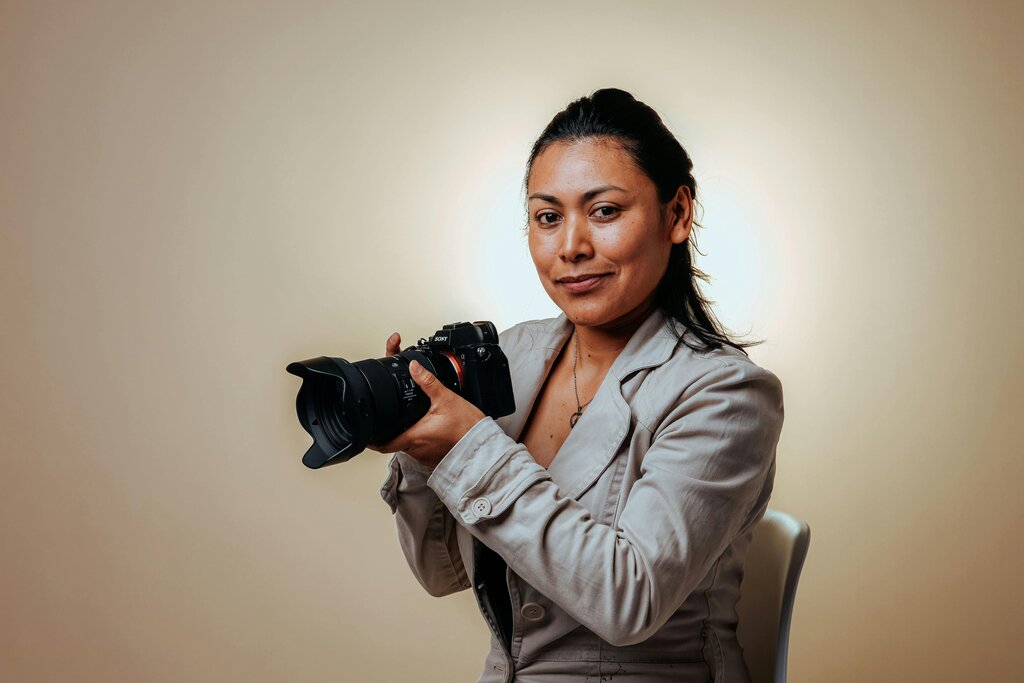
Here are a few simple rules for a great profile photo:
- Use a Headshot: The photo should be framed from your shoulders up. People want to see your face.
- Keep it Clear: Use a recent, high-resolution image that isn't blurry or pixelated.
- You're the Star: You should be the only person in the picture. No pets, friends, or family members.
- Look Approachable: Smile! A warm, friendly expression makes you seem more open to connection.
- Choose a Simple Background: A neutral, uncluttered background keeps the focus on you. Avoid distracting scenery.
- Dress the Part: Wear what you would for an interview in your industry. When in doubt, business casual is a safe bet.
A great photo says 'professional, friendly, and ready to connect' before anyone reads a single word about you.
Crafting Your Headline
Your headline is the short description that appears right under your name. It's more than just your job title; it's a 220-character pitch that follows you everywhere on LinkedIn—in search results, connection requests, and when you comment on posts.
This is your chance to quickly tell people who you are and what you do. A generic headline like "Marketing Manager" is a missed opportunity. A specific, keyword-rich headline gets you noticed.
Let’s look at some examples:
Before: Software Engineer After: Software Engineer | Building Scalable FinTech Solutions with Python & AWS
Before: Project Manager at XYZ Corp After: PMP-Certified Project Manager | Delivering Complex Technical Projects On Time & Under Budget
Before: Student at State University After: Aspiring Data Analyst | Skilled in SQL, Python, and Tableau | Seeking Opportunities in Business Intelligence
Notice how the "After" examples use keywords that recruiters are likely to search for, like "Python," "PMP-Certified," or "Tableau." They also highlight a key value or specialization. Think about the roles you want and include terms from those job descriptions in your headline.
Your LinkedIn headline and summary are the most important parts of your profile because that is what hiring managers and potential clients see first.
Writing an Engaging Summary
Your "About" section, or summary, is where you can expand on your headline. This is your professional elevator pitch. It should be written in the first person and clearly communicate your experience, passions, and what you're looking for.
Don't just list your job duties. Tell a story. What drives you? What problems do you love to solve? What are your key accomplishments? Keep it concise—a few short paragraphs are perfect.
Here's a simple structure to follow:
Paragraph 1: Your Mission. Start with a strong opening sentence that summarizes who you are and what you do. For example: "I am a customer-centric product manager with over 7 years of experience launching successful mobile apps in the B2C space."
Paragraph 2: Your Proof. Briefly describe 2-3 of your proudest accomplishments or key areas of expertise. Use numbers to quantify your impact when possible. For example: "I led the team that grew our user base by 300% and increased monthly recurring revenue by 💲50K."
Paragraph 3: Your Future. End with a call to action. State what you're looking for or what kind of connections you're open to. For example: "I'm passionate about leveraging technology to improve financial literacy and am currently seeking new opportunities in the EdTech sector."
A strong profile photo, headline, and summary work together to create a powerful first impression. They set the stage for your entire professional brand and make it easy for the right people to find and connect with you.