LIMS Project Management Mastery
Introduction to LIMS
What Is a LIMS?
A modern laboratory is a busy place. Samples arrive, tests are run, data is generated, and reports are sent out. Keeping track of everything manually with paper notebooks and spreadsheets is slow, prone to errors, and can quickly become chaotic. This is where a Laboratory Information Management System, or LIMS, comes in.
LIMS
noun
A software-based system with features that support a modern laboratory's operations. Key features include workflow and test management, sample tracking and management, and data reporting.
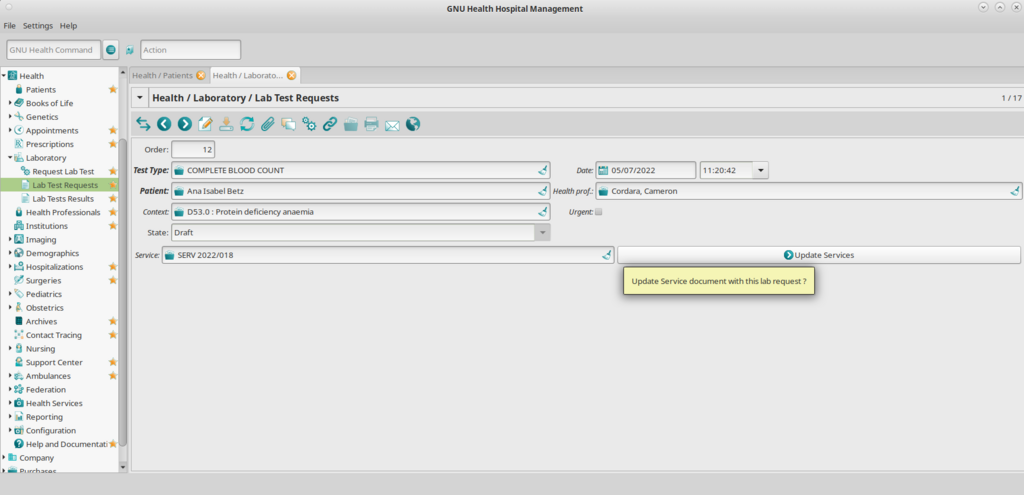
Think of a LIMS as the central nervous system of the lab. Its main purpose is to streamline operations by automating and simplifying data management. From the moment a sample enters the lab to the day it's archived, the LIMS tracks every step, every test, and every result associated with it. This creates a complete, traceable history for every sample.
Key Functionalities
While different LIMS platforms offer various features, most are built around a few core functions that are essential for any lab.
Sample Tracking and Management: This is the heart of a LIMS. Each sample is given a unique identifier, often a barcode, the moment it's registered. The system then logs its location, who handled it, what tests were performed, and when it was moved or archived. This creates an unbroken chain of custody.
Workflow and Test Management: A LIMS helps manage the lab's workload. It allows lab managers to define testing protocols, assign tasks to specific analysts or instruments, and track the status of tests in real-time. If a result is outside of the expected range, the system can automatically flag it for review.
Reporting and Analysis: Instead of manually typing results into a report, a LIMS can automatically generate comprehensive reports in a standardized format. This can include everything from raw data and pass/fail results to complex statistical analysis and trend charts. These reports can be easily shared or sent to clients.
The Benefits of a LIMS
Implementing a LIMS is a significant investment, but it pays off by transforming how a laboratory operates. The most immediate benefit is a dramatic reduction in manual data entry, which saves time and, more importantly, reduces human error. Accurate data is the foundation of reliable science.

Efficiency also gets a major boost. With automated workflows and direct instrument integration, samples move through the testing process much faster. This leads to quicker turnaround times for results, allowing for faster decision-making.
For labs in regulated industries like pharmaceuticals or clinical diagnostics, a LIMS is essential for compliance. It provides a complete, time-stamped audit trail that records every action performed on a sample. This detailed log is crucial for demonstrating compliance with standards like ISO 17025 or the FDA's 21 CFR Part 11.
By centralizing all lab data, a LIMS eliminates data silos and ensures that a single, authoritative source of information exists for every sample and test.
A Quick Look Under the Hood
You don't need to be a software engineer to use a LIMS, but it helps to understand its basic structure. Most LIMS architectures have a few key components working together.
| Component | Role |
|---|---|
| Database | The central repository where all data is securely stored. This includes sample information, test results, user details, and audit trails. |
| Application Software | This is the user interface that lab personnel interact with. It includes the dashboards, forms, and tools for managing samples and workflows. |
| Instrument Integration | A layer of software that allows lab instruments to communicate directly with the LIMS, automatically transferring test results without manual input. |
These components can be set up in a few ways. Traditionally, a LIMS would be hosted on a local server at the lab (a client-server model). Increasingly, however, labs are turning to cloud-based or web-based LIMS. These are hosted by a vendor and accessed through a web browser, reducing the need for in-house IT support and making the system accessible from anywhere.
Ready to check your understanding?
What is the primary purpose of a Laboratory Information Management System (LIMS)?
How does a LIMS primarily assist laboratories in meeting regulatory compliance standards like ISO 17025?
In short, a LIMS is a powerful tool that brings order, efficiency, and reliability to the complex environment of a modern laboratory. It replaces manual record-keeping with an automated system that manages the entire lifecycle of a sample, ensuring data integrity every step of the way.