Light Rail Transit Systems Explained
Introduction to Light Rail Transit
What Is Light Rail?
Light Rail Transit, or LRT, is a form of urban rail transit that sits somewhere between a streetcar and a subway. Think of it as a modern, high-performance version of the classic trolley. LRT systems use electrically powered rail cars, often running in short trains of one to three cars. They get their electricity from overhead power lines, known as catenary wires.
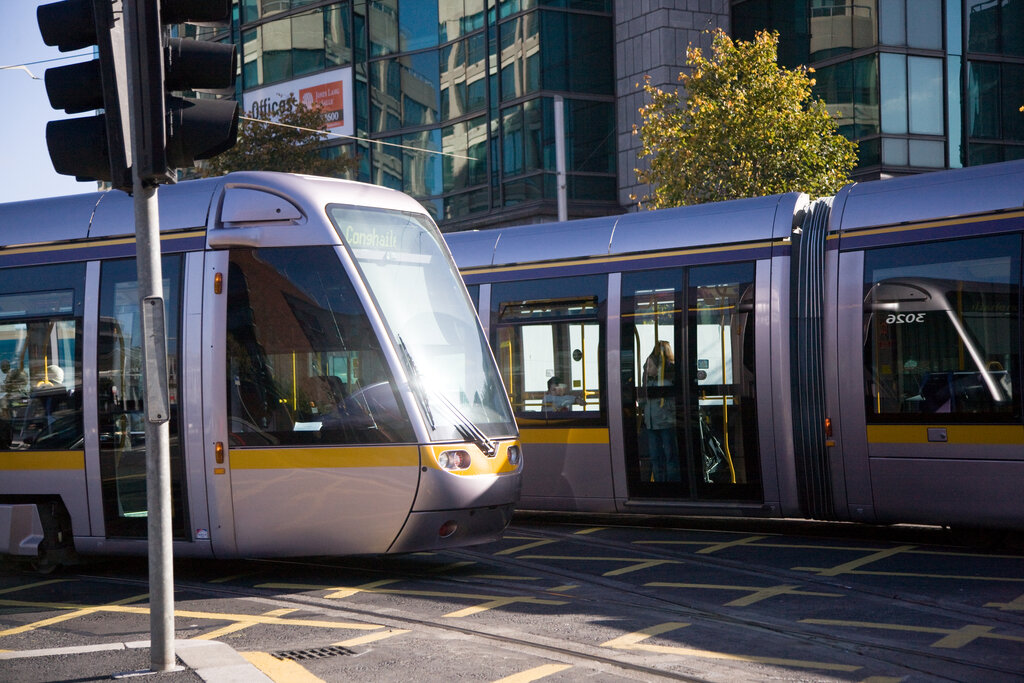
A key feature of LRT is its flexibility. Unlike a subway or heavy rail, which always operates in its own exclusive tunnels or elevated tracks, LRT can run in a variety of environments. It can travel in lanes shared with cars, operate in dedicated lanes on the street, or run on completely separate tracks, known as an exclusive right-of-way. This adaptability allows cities to build rail transit in areas where a full subway would be too expensive or disruptive.
If a bus is like a sedan navigating city traffic and a subway is a high-speed train on its own track, then LRT is a versatile SUV. It can handle the city streets but also has the power to cruise on its own dedicated path.
From Streetcars to Modern Transit
The story of LRT begins with the streetcar. In the late 19th and early 20th centuries, electric streetcars were the backbone of urban transportation, connecting neighborhoods and helping cities grow. They were a revolutionary step up from the horse-drawn trolleys that came before them.
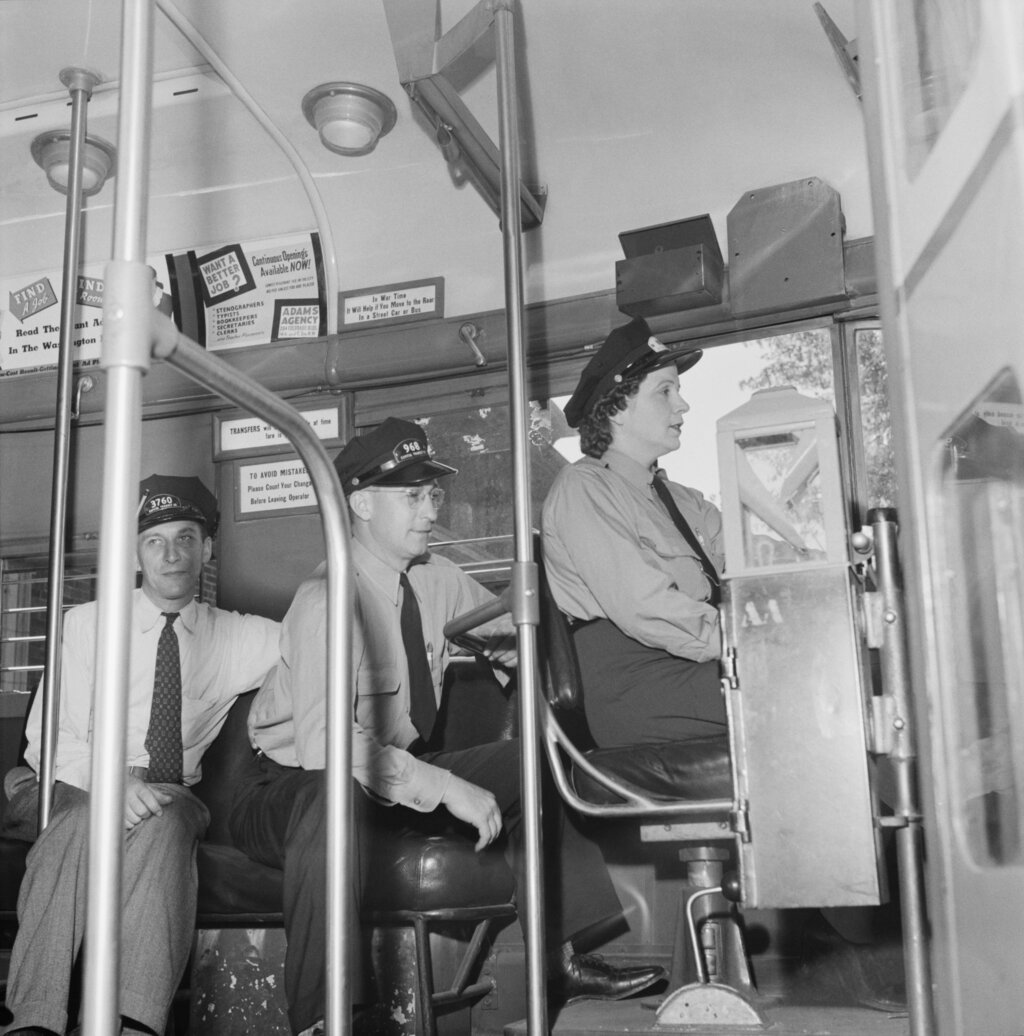
However, the rise of the personal automobile and the perceived flexibility of buses led to the decline of streetcar systems in the mid-20th century. Cities across North America and Europe ripped up tracks in favor of roads. By the 1970s, streetcars had all but vanished from many urban landscapes.
But as cities grew more congested and concerns about pollution mounted, planners began looking for a middle ground. They needed a transit mode with higher capacity and reliability than a bus, but without the massive cost and construction of a subway. This led to the rebirth of the streetcar concept in a new form: Light Rail Transit. These new systems were designed to be faster, carry more people, and operate more efficiently than their predecessors, often by giving them their own dedicated lanes to bypass traffic.
The Light Rail Advantage
Cities choose to build LRT systems for several key reasons. One of the biggest is cost-effectiveness. Building a light rail line is significantly cheaper than digging a subway tunnel or constructing an elevated heavy rail line. This makes rail transit accessible to smaller and mid-sized cities that couldn't afford a full metro system.
LRT systems can be built in stages, allowing a city to expand its transit network incrementally as funding becomes available and ridership grows.
Another major advantage is passenger capacity. A single light rail vehicle can carry as many people as two or three buses, and linking them into trains increases that capacity even further. By running on rails, often in their own right-of-way, they offer a smoother and more reliable ride, unaffected by the traffic jams that can slow down buses.
Finally, LRT offers environmental benefits. Because the vehicles are electrically powered, they produce zero local emissions. This helps improve air quality in dense urban areas. By providing a convenient alternative to driving, LRT systems can also help reduce overall car traffic, easing congestion and lowering a city's carbon footprint.
| Feature | Light Rail Transit (LRT) | Bus | Heavy Rail (Subway) |
|---|---|---|---|
| Right-of-Way | Flexible (shared, semi-exclusive, or exclusive) | Shared with traffic | Fully exclusive (tunnels or elevated) |
| Capacity | Medium to High | Low to Medium | Very High |
| Construction Cost | Medium | Low | Very High |
| Power Source | Electric (overhead lines) | Typically diesel or electric-battery | Electric (third rail or overhead) |
| Flexibility | High (can run on streets or separate tracks) | Very High (routes easily changed) | Low (fixed infrastructure) |
Let's check your understanding of these core concepts.
What is a key feature that distinguishes Light Rail Transit (LRT) from heavy rail systems like subways?
According to the text, what was the primary reason for the decline of the original streetcar systems in the mid-20th century?
LRT systems represent a balance between cost, capacity, and flexibility, making them a popular choice for cities aiming to build sustainable and efficient public transportation networks.