Life Insurance Policy Investments
Introduction to Life Settlements
What Is a Life Settlement?
A life insurance policy is an asset, just like a house or a car. And like other assets, you can sell it. A life settlement is the sale of an existing life insurance policy to a third party for a one-time cash payment.
The sale price is more than the policy's cash surrender value but less than its net death benefit. After the sale, the buyer becomes the new owner and beneficiary of the policy, takes over the premium payments, and receives the death benefit when the insured person passes away.
Essentially, a policyholder who no longer needs or can afford their policy can sell it to receive a lump sum of cash today, rather than letting the policy lapse or surrendering it to the insurance company for a smaller amount.
A Quick History
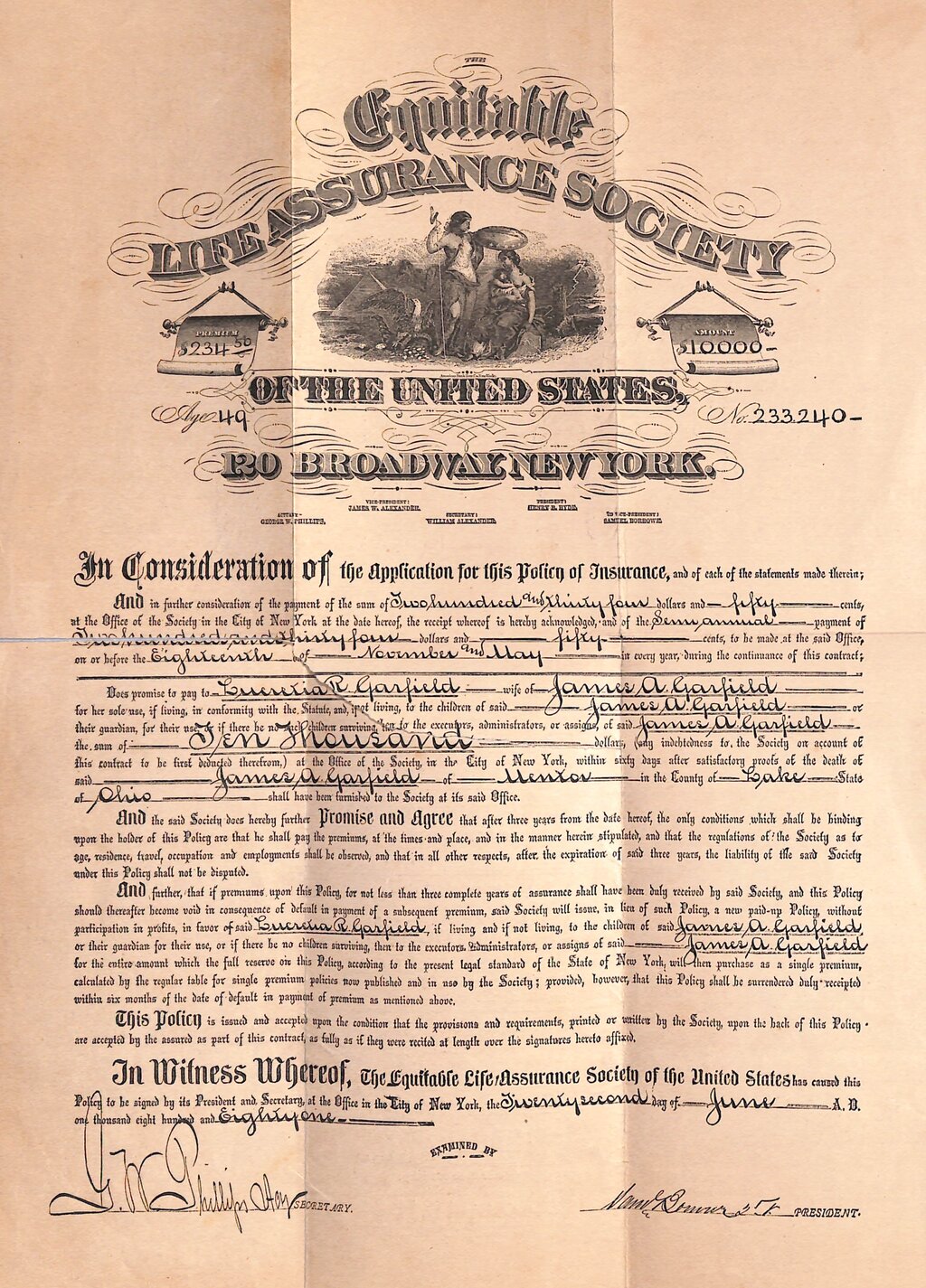
The idea that a life insurance policy is personal property isn't new. In 1911, the U.S. Supreme Court case Grigsby v. Russell affirmed that a life insurance policy is a private asset that can be sold to someone without a direct interest in the insured's life. Justice Oliver Wendell Holmes famously wrote that life insurance possessed all the ordinary characteristics of property.
Despite this ruling, a secondary market for life insurance policies didn't truly emerge until the late 1980s. The first version of this market was known as "viatical settlements," which primarily involved terminally ill individuals, often AIDS patients, selling their policies to get money for medical care.
By the late 1990s and early 2000s, the market expanded beyond the terminally ill to include older adults (typically 65 and up) who were not terminally ill but whose policies had become a financial burden. This shift attracted institutional investors like pension funds and investment banks, transforming life settlements into a more established financial tool.
The Key Players
A life settlement transaction typically involves three main parties:
| Participant | Role |
|---|---|
| Policyholder (Seller) | The original owner of the life insurance policy who decides to sell it. Their reasons vary—perhaps the premiums have become too expensive, the coverage is no longer needed, or they need immediate funds for retirement or healthcare. |
| Investor (Buyer) | The third party that purchases the policy. This is often a large financial institution, like a hedge fund or pension fund, that views the policy as an investment. They are betting on receiving a return (the death benefit) that is greater than the purchase price plus future premium payments. |
| Intermediaries | These are the connectors. A life settlement broker represents the policyholder, shopping the policy around to find the best offer. A life settlement provider is a company that represents the investors, purchasing policies on their behalf. |
The Basic Process
While the details can be complex, the transaction follows a general path. The goal is to connect a willing seller with a buyer who sees value in the policy as a long-term investment.
The entire process is designed to convert a future benefit into cash today. For the seller, it provides liquidity. For the buyer, it represents an investment with a return that is not correlated with the stock market.
Ready to check your understanding?
What is a life settlement?
After a life settlement transaction is complete, who is responsible for paying the policy's future premiums?
Understanding life settlements opens up another dimension of financial planning, turning a life insurance policy into a flexible asset.