Life in Tehran
Introduction to Tehran
The City at the Foot of the Mountains
Tehran, Iran's capital, sits on a sloping plain at the base of the towering Alborz mountain range. This dramatic geography defines the city. The snow-capped peaks to the north are visible from many parts of the urban sprawl, providing a stunning natural backdrop.
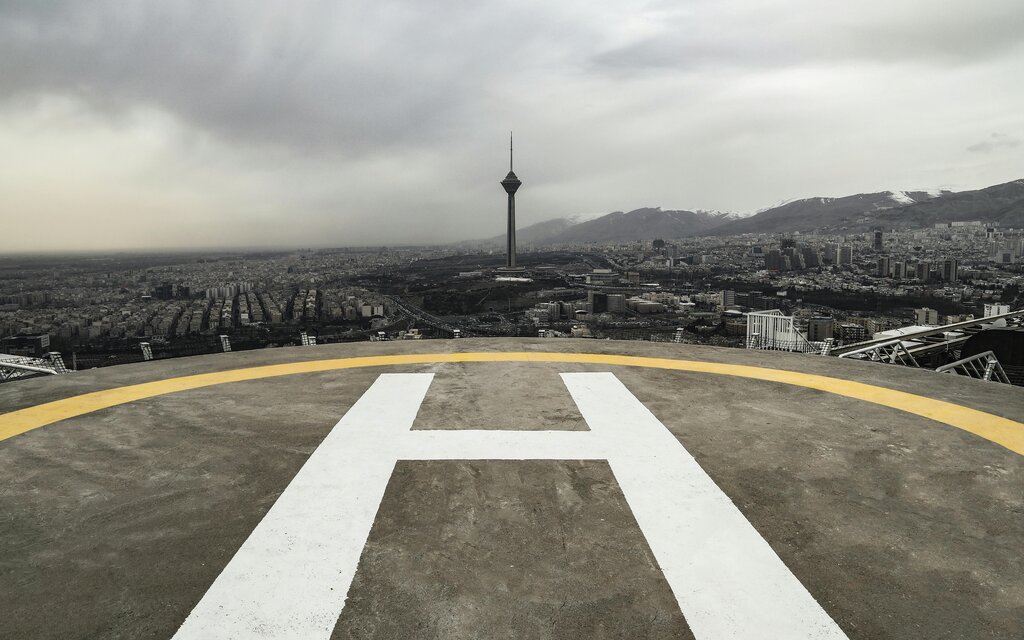
The city's elevation isn't uniform. It slopes downward from north to south, creating distinct microclimates. Northern Tehran, resting higher up in the foothills, is cooler and less polluted than the flatter, warmer, and drier southern districts. This geographical divide has historically influenced the city's development and social structure. Winters are cool with some snowfall, especially in the north, while summers are hot and dry.
From Village to Metropolis
For centuries, Tehran was a relatively small village, overshadowed by the nearby, more ancient city of Rey. Its fortunes changed dramatically in 1786 when Agha Mohammad Khan, the founder of the Qajar dynasty, declared it the capital of Persia. Its strategic location, sheltered by the Alborz mountains and situated on key trade routes, made it an ideal choice.
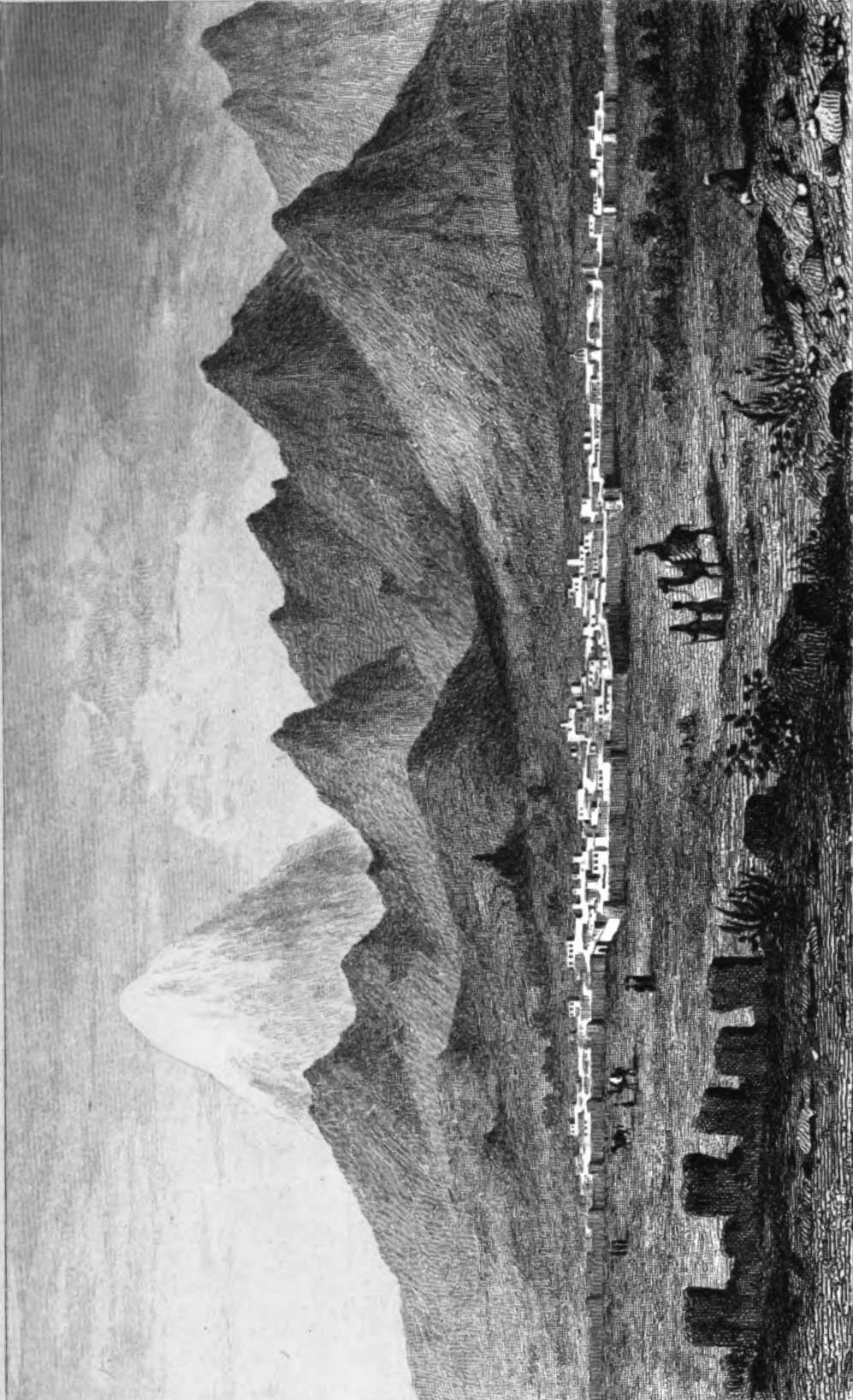
Throughout the 19th and 20th centuries, Tehran grew steadily. The Pahlavi dynasty, which came to power in the 1920s, initiated major modernization projects. Old city walls were torn down and replaced with wide, modern avenues. This period marked the beginning of Tehran’s transformation into the sprawling, bustling metropolis it is today.
A Mosaic of People
Tehran is a city of migrants. Over the last century, people from all over Iran have moved to the capital in search of work and opportunity, making it a true melting pot of the country's diverse ethnic and linguistic groups. While Persian is the dominant language, you can hear a multitude of accents and dialects on its streets, including Azeri, Kurdish, and Luri.
The city's population exploded in the second half of the 20th century. What was a city of a few hundred thousand in the early 1900s is now a megacity. The metropolitan area is home to over 15 million people, making it the largest city in Western Asia.
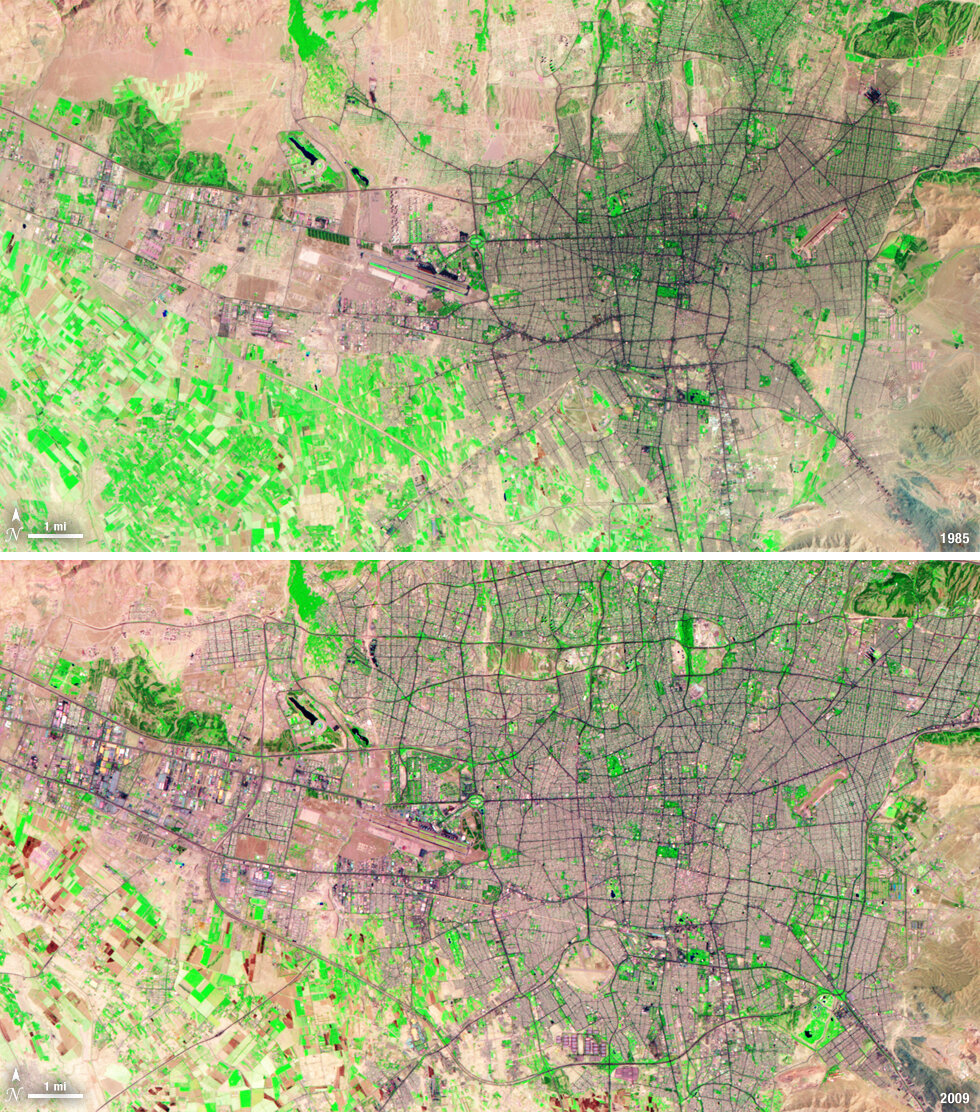
This rapid growth presents both opportunities and challenges. The constant influx of people has made Tehran a dynamic and vibrant center of culture and commerce, but it also strains infrastructure and resources. The city continues to expand, absorbing surrounding towns and villages into its ever-growing urban fabric.