Library Book Conservation Principles
Introduction to Book Conservation
More Than Just Words
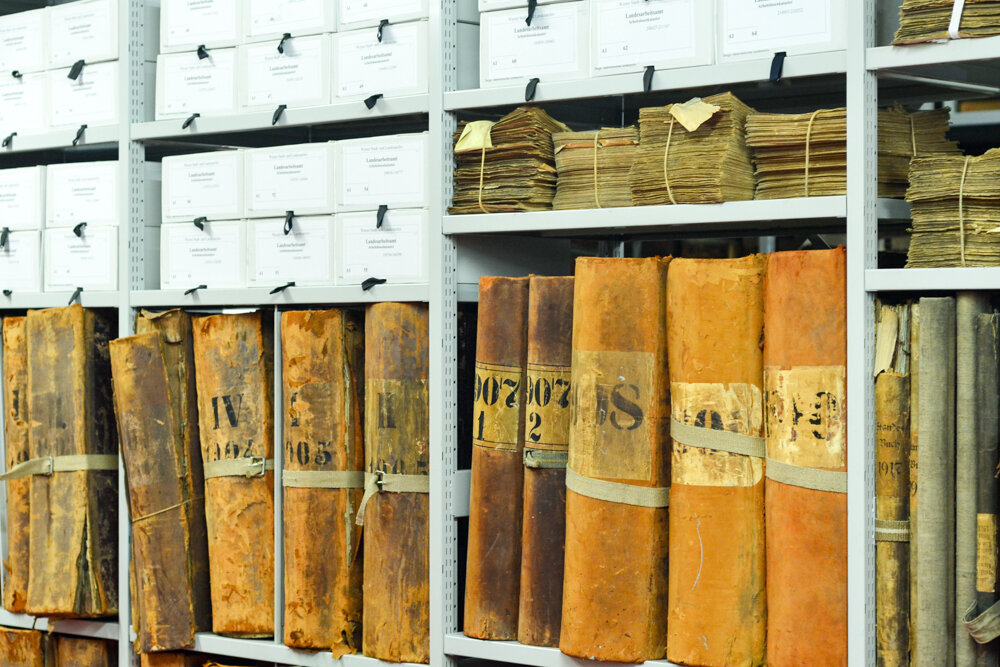
Books are time capsules. They carry stories, ideas, and history from one generation to the next. For centuries, people have worked to protect these valuable objects, from monks in medieval scriptoriums carefully copying manuscripts to modern librarians managing vast digital archives. This effort to protect our written heritage is called conservation.
Early conservation was often focused on making books look new again, sometimes rebinding them in the latest style. Today, the approach is more like archaeology. The goal is to preserve a book not just as a text, but as a physical object with its own story to tell. Every scuff on the cover, every note in the margin, is a clue to its past.
The Book Doctor
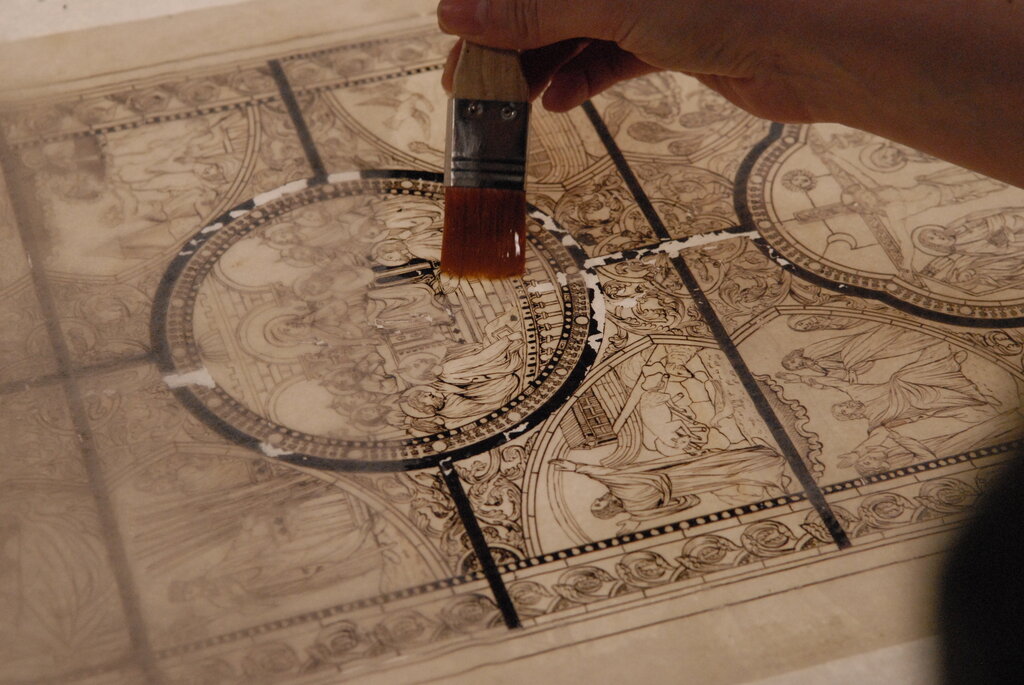
A book conservator is like a specialized doctor for books. They diagnose problems, understand the causes, and perform treatments to stabilize the book's condition. Their job isn't just to glue a loose page back in. It's to understand why the page came loose in the first place.
Conservators are part chemist, part historian, and part artist. They need to know the chemical properties of paper and ink, the history of bookbinding techniques, and have the manual skill to perform delicate repairs. They work in libraries, archives, and museums to ensure that important collections survive for future researchers and readers.
To Fix or Not to Fix
One of the biggest questions in conservation is how much to intervene. Should a conservator make a damaged book look brand new, or should they simply stop it from getting worse while leaving signs of its age? This is where ethics come in.
Modern conservation follows a principle of "minimal intervention." This means doing only what's necessary to make the book stable and usable. Another key idea is reversibility, meaning any treatment should be undoable if a better technique is developed in the future. The aim is to preserve the book's authenticity, respecting its journey through time.
Ethical historical preservation is a delicate balancing act that requires consideration of authenticity, inclusivity, community needs, and sustainability.
For example, if a book has a torn page, a conservator might use a very thin, strong, transparent tissue and a special wheat starch paste to mend the tear. The repair is visible up close, but it doesn't try to hide the fact that damage occurred. The history of the object is respected.
The Enemies of Books
What makes books fall apart? The materials they're made of are often their own worst enemy. Until the mid-19th century, paper was typically made from cotton or linen rags, creating a strong, durable, and chemically stable material. Many books from the 1500s are still in great shape.
But as demand for paper grew, manufacturers switched to wood pulp. This new paper was cheap and easy to make, but it contained acidic compounds left over from the production process. Over time, this acid breaks down the paper's fibers, causing it to become brittle and yellow. This process is often called "slow fire."
A book's environment is its most significant protector or its greatest threat.
Beyond the paper itself, books face many external threats. The most common are:
| Threat | Impact on Books |
|---|---|
| Light | Fades inks and dyes, and speeds up chemical decay in paper. |
| High Temperature | Accelerates the rate of all chemical deterioration. |
| Humidity | Too much can encourage mold growth; too little can make materials brittle. |
| Pests | Insects and rodents can eat paper, leather, and adhesives. |
| Pollutants | Gases and dust in the air can cause acid damage and physical abrasion. |
Managing these factors is a huge part of modern library science. By controlling the environment, libraries can dramatically slow the deterioration of their collections, preserving them for everyone.
Let's check your understanding of these core concepts.
What is the primary goal of modern book conservation?
The principle of "minimal intervention" guides conservators to do only what is necessary to make a book stable and usable.
Understanding these principles helps us appreciate the delicate work required to keep history alive on the library shelf.