Librarian Career Exploration
Introduction to Library Science
The Story of Libraries
Libraries began as exclusive archives, guarding precious knowledge for a select few. The Library of Alexandria, founded around the 3rd century BCE, was a legendary storehouse of scrolls, aiming to collect all of the world's knowledge under one roof. For centuries, access to such collections was a privilege reserved for scholars, clergy, and the ruling class. Books were rare, handwritten, and incredibly valuable.
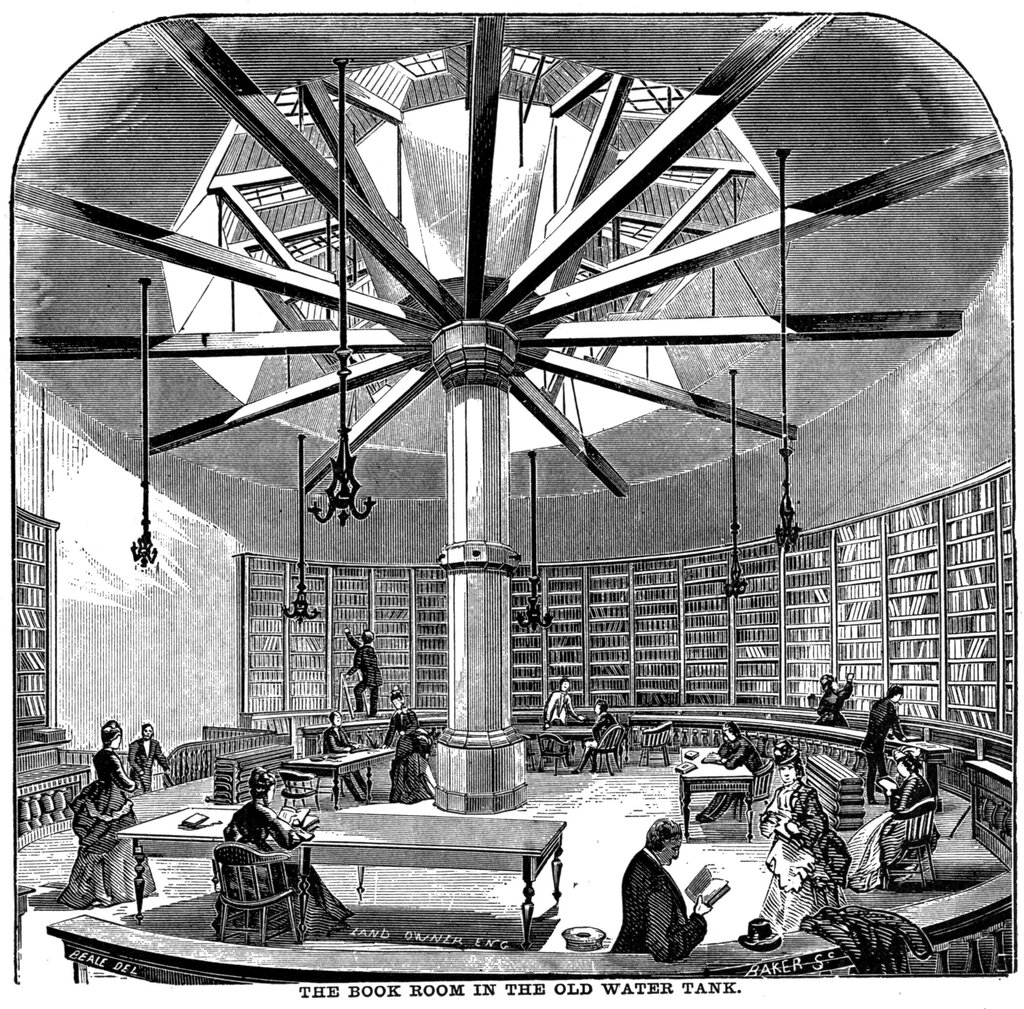
The invention of the printing press in the 15th century was a turning point. Books became more affordable and easier to produce, planting the seeds for wider access. However, the idea of a truly public library, funded by taxes and open to everyone, didn't take hold until the 19th century. This shift transformed libraries from private collections into public institutions dedicated to education and community enrichment.
Today, libraries continue to evolve. The mission remains the same—providing access to information—but the formats have expanded far beyond printed books to include digital resources, internet access, and community programs.
More Than Just Books
In a world overflowing with information, the purpose of a library is more vital than ever. They are trusted institutions that provide free and equitable access to resources, helping to bridge the digital divide and promote lifelong learning. Libraries offer a quiet place to study, work, or simply read.
A library's fundamental role is to empower individuals and communities by offering the tools for discovery and education, free from commercial or political influence.
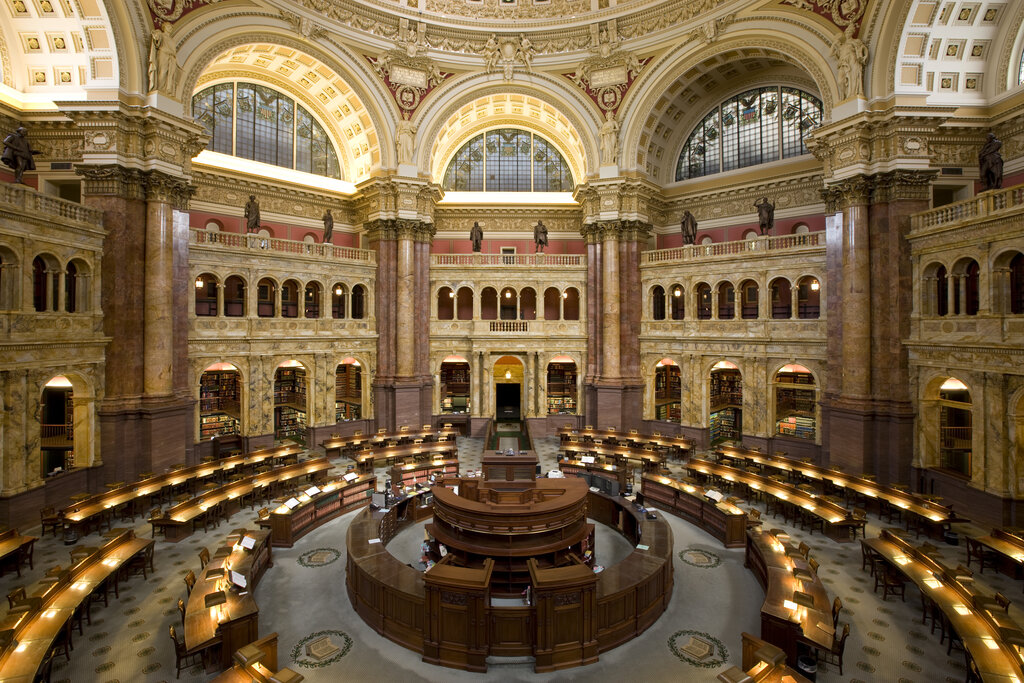
Beyond their educational role, libraries serve as crucial community hubs. They are third places—environments outside of home and work—where people can connect, attend workshops, and participate in cultural events. From early literacy programs for toddlers to technology classes for seniors, libraries support residents at every stage of life. They are cornerstones of a healthy democracy, ensuring that every person has the opportunity to become an informed and engaged citizen.
A Library for Everyone
Not all libraries are the same. Each type is designed to serve the specific needs of its community. The four main categories are public, academic, school, and special libraries. Each has a distinct mission and collection.
| Library Type | Primary Users | Key Function |
|---|---|---|
| Public | General public | Serve broad community interests |
| Academic | Students, faculty, researchers | Support university curriculum and research |
| School | K-12 students, teachers | Support student learning and literacy |
| Special | Employees, researchers | Serve a specific organization or field |
Public Libraries are the most common type. Funded by the public, they serve everyone in a given community, from children to adults. Their collections are broad, covering popular fiction, non-fiction, movies, and music. They also offer public computers, internet access, and a wide range of programming like book clubs, job-seeking workshops, and local history events.
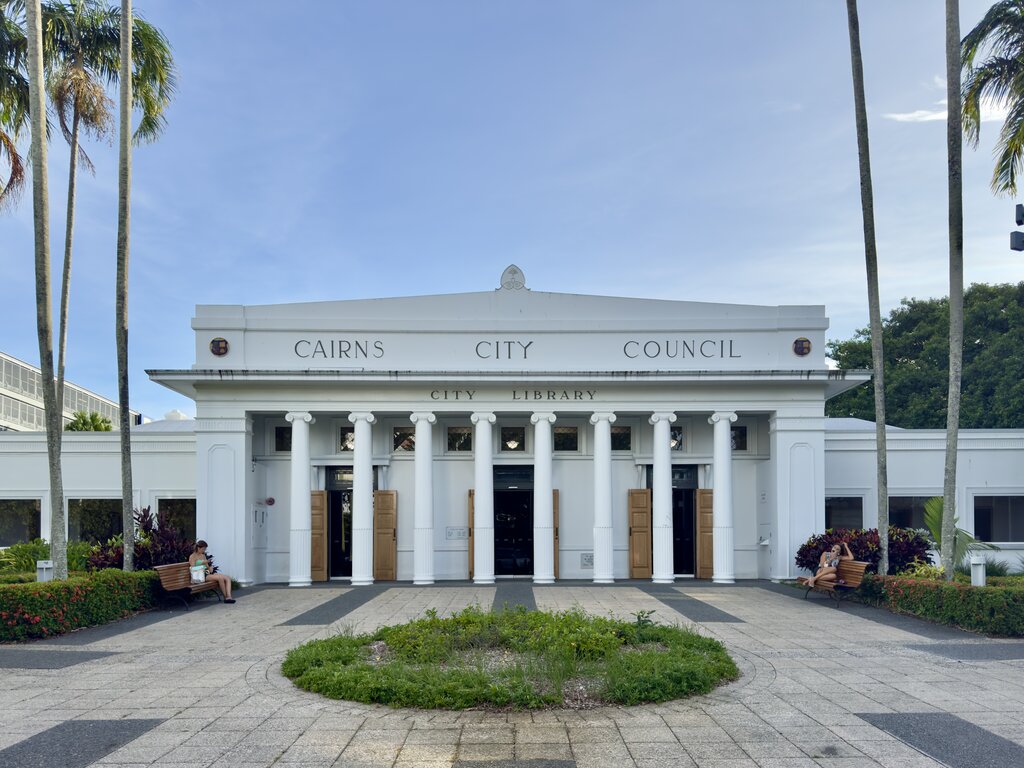
Academic Libraries are found in colleges and universities. Their mission is to support the institution's curriculum and research needs. The collections are scholarly and deep, filled with academic journals, specialized databases, and primary source materials. These libraries are tailored to the subjects taught at the institution and serve as a vital resource for students and faculty.
School Libraries, also known as school library media centers, serve students from kindergarten through high school. Their primary function is to support the school's curriculum, help students develop information literacy skills, and foster a love of reading. Collections are carefully curated to be age-appropriate and relevant to what students are learning in the classroom.
Special Libraries operate within specific organizations like corporations, hospitals, law firms, or museums. Their collections are highly specialized and focused on the needs of that organization. A law library, for instance, will contain case law and legal treatises, while a corporate library might focus on market research and industry reports. They provide targeted information to support the work of their parent institution.
Though their users and collections differ, all libraries share a common goal: connecting people with the information they need.
What major invention was a key turning point in making books and knowledge more accessible, long before the digital age?
A university student writing a dissertation on particle physics would most likely find the most comprehensive and specialized resources at which type of library?