Liberal Arts Careers
Understanding Liberal Arts Skills
The Liberal Arts Toolkit
A liberal arts education isn't just about studying history, literature, or philosophy. It's about building a set of powerful, flexible skills that apply to any field. Think of it as developing a mental toolkit. Instead of learning how to use one specific machine, you're learning how to build, adapt, and fix any machine you encounter. These core skills are the foundation for lifelong learning and problem-solving.
Many skills gained in other industries—such as leadership, communication, problem-solving, and strategic planning—are highly transferable to higher education careers.
Let's break down the most important tools in this kit.
Critical Thinking
At its core, critical thinking is the ability to analyze information objectively and make a reasoned judgment. It’s about not just accepting ideas at face value but questioning them. Who wrote this? Why? What evidence supports it? Are there other ways to look at this problem?
Imagine a historian examining an ancient text. They don't just read the words; they consider the author's biases, the political climate of the time, and what other sources say. That's critical thinking in action.
This skill involves looking at a situation from multiple perspectives, identifying the key parts of an argument, and evaluating its strengths and weaknesses. It's the difference between simply knowing a fact and understanding why it matters and how it connects to other facts.
This process trains your mind to be disciplined and self-directed. It's a fundamental skill for making better decisions, whether in a complex project or in your daily life.
Communication and Creativity
Knowing something is only half the battle. The other half is being able to share that knowledge effectively. Effective communication isn't just about having a large vocabulary; it’s about clarity, persuasion, and empathy. It’s the ability to tailor your message to your audience, whether you're writing an email, giving a presentation, or debating an idea.
empathy
noun
The ability to understand and share the feelings of another.
Creativity is closely linked to communication. It’s the ability to generate new ideas and connect existing ones in novel ways. A liberal arts education fosters creativity by exposing you to a wide range of subjects and ways of thinking. You learn to see patterns, make analogies, and approach problems from unconventional angles.
Think of a literature student analyzing a poem. They are practicing communication by articulating a complex interpretation, and creativity by finding new meanings and connections within the text.
Adaptability
The world changes quickly. The ability to learn, unlearn, and relearn is crucial. Adaptability is the skill of navigating new situations and challenges with confidence. Because a liberal arts education isn't focused on a single, narrow vocation, it prepares you for a future you can't predict.
When you study different cultures, historical periods, and schools of thought, you are constantly practicing the skill of adapting your perspective. You learn that there's rarely one right answer and that the best approach often depends on the context. This mental flexibility is invaluable in a world where today's essential tool might be obsolete tomorrow.
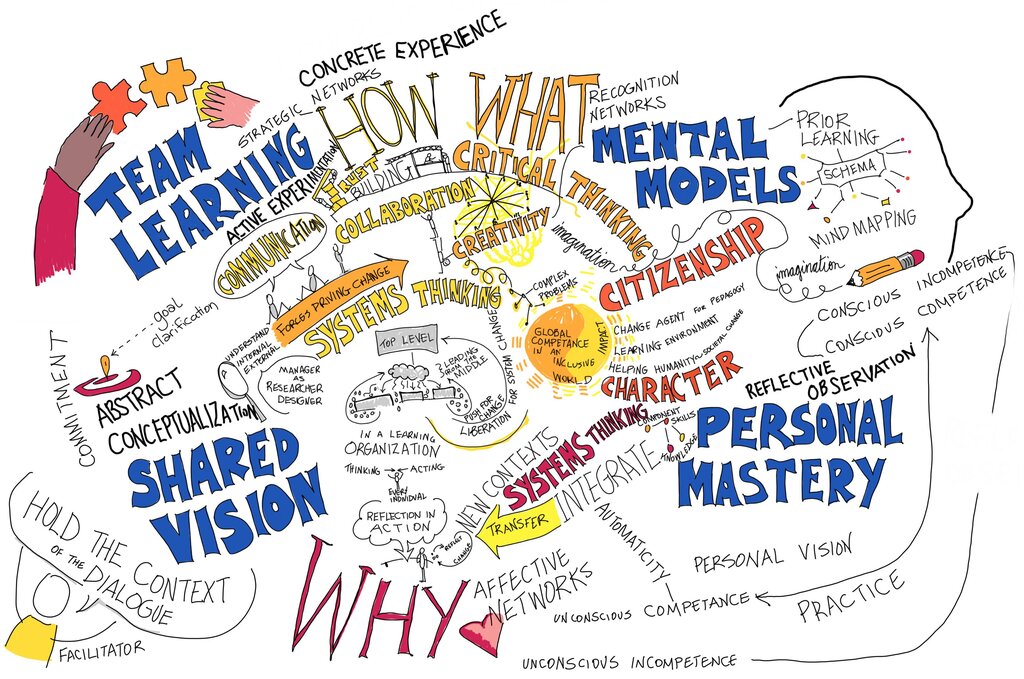
These skills—critical thinking, communication, creativity, and adaptability—are not isolated. They reinforce one another. Strong critical thinking makes you a more persuasive communicator. Creativity helps you adapt to new challenges. Together, they form a powerful foundation for success in any endeavor.
Ready to check your understanding?
According to the text, what is the core purpose of a liberal arts education?
Which of the following questions is most characteristic of critical thinking?
By recognizing these core competencies, you can better understand the value of a broad-based education and how it prepares you for a complex world.