Level Up Your Chess Game
Tactical Foundation Forks
The Double Attack
Beyond simply moving pieces, chess strategy is about creating threats. The most effective threats are the ones your opponent can't easily answer. A fork is the quintessential example of this. It's a single move that attacks two or more of your opponent's pieces at the same time.
One piece, two threats. When you fork your opponent's pieces, you force them into a difficult choice. Often, they can only save one of the attacked pieces, meaning you gain a material advantage.
The goal is to overwhelm their defensive capacity. If you attack one piece, they move it. If you attack two pieces, they must decide which one is more valuable. This forces a trade in your favor or wins a piece outright. Recognizing patterns that lead to forks is a fundamental tactical skill.
The Knight's Favorite Trick
No piece is better suited for forking than the knight. Its unique L-shaped movement allows it to attack pieces without being directly in their path, making its threats difficult to spot. Knights are masters of surprising, multi-pronged attacks.
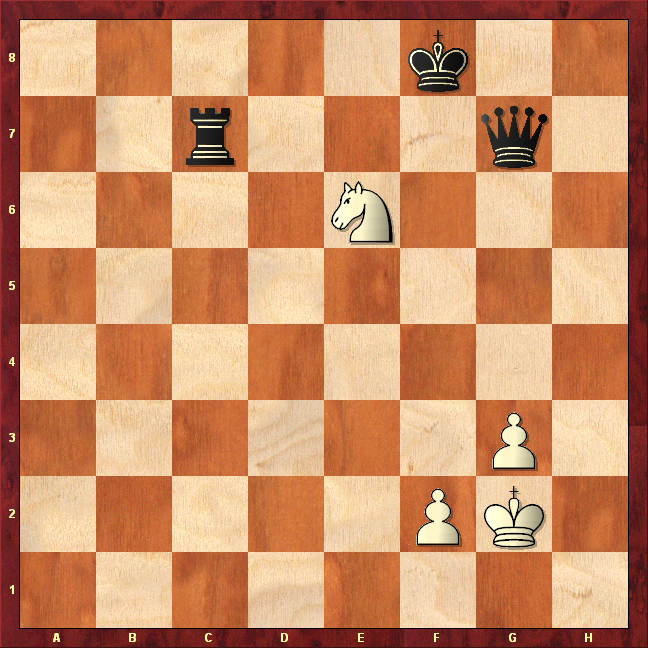
A classic target for a knight fork is the weak f7 square (or c7 for White's queen's side). This square is only defended by the king at the start of the game, making it a prime target. A knight landing on f7 can simultaneously attack the king and the rook on h8, often winning the rook.
To set up these opportunities, you often need to use a forcing move—a check or capture that restricts your opponent's options. By forcing their hand, you can maneuver your pieces into the perfect position to deliver the fork on your next turn.
Pawns and Queens Join In
While knights are the most famous forchers, they aren't the only ones. Pawns can deliver devastating forks, especially when they advance into enemy territory. A single pawn moving forward can suddenly threaten two more valuable pieces, like two knights or a bishop and a rook. This is a common way to gain a significant for the low cost of a pawn move.
The queen, as the most powerful piece, is also an excellent forker. With her ability to move in any direction, she can attack multiple pieces across the board. A well-placed queen can fork a king and another piece, forcing the opponent to move their king and lose the other piece. However, be cautious: you rarely want to trade your queen for a less valuable piece, so ensure your queen forks don't put her in unnecessary danger.
Time to test your tactical vision. Can you spot the forks?
What is the primary goal of a chess fork?
Which piece is considered the most effective and common for delivering forks due to its unique movement pattern?
Seeing these double attacks is the first step. By actively looking for opportunities to fork your opponent's pieces, you'll start to control the flow of the game and create winning advantages.