Levantine Arabic Conversation Basics
Introduction to Lebanese Arabic
Your First Words in Lebanese
Welcome to Lebanese Arabic. It's a dialect of Levantine Arabic, spoken in the small but vibrant country of Lebanon. While it shares a lot with its neighbors in Syria, Jordan, and Palestine, Lebanese has its own unique flavor. You'll hear it on the streets of Beirut, in mountain villages, and in Lebanese communities all over the world.
A Rich History
The language you hear today is a mosaic of history. Its foundation is Arabic, but centuries of cultural exchange have left their mark. Before Arabic, people in the region spoke Aramaic, and you can still find traces of it in modern Lebanese. Words and sentence structures have also been borrowed from Syriac, Persian, Ottoman Turkish, and even ancient Phoenician.
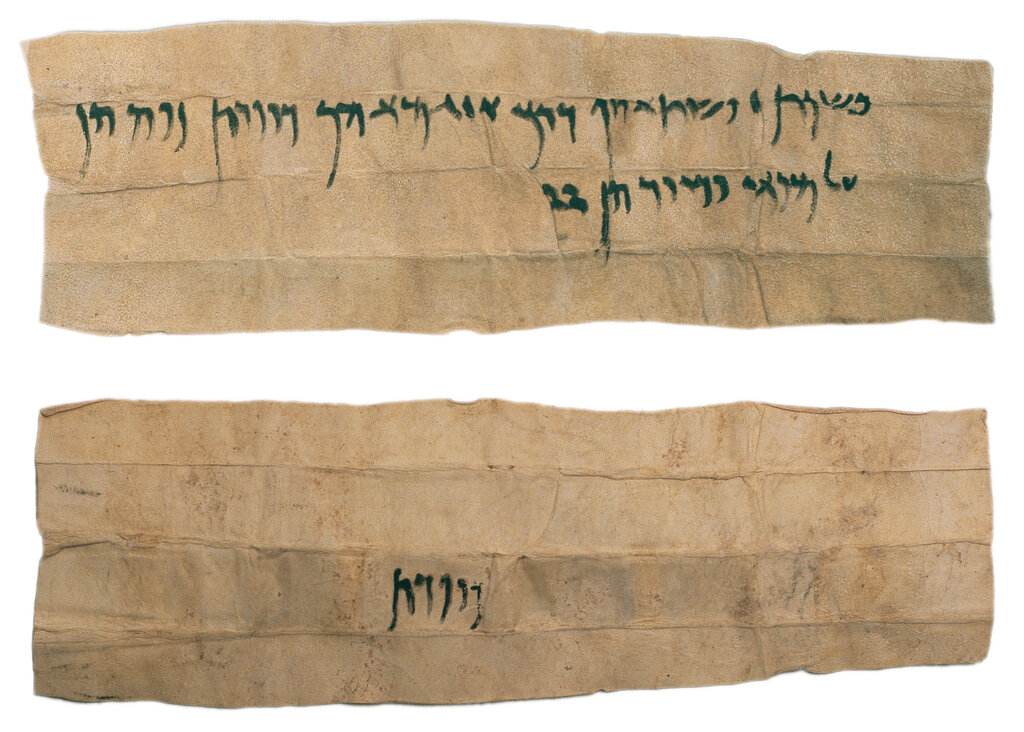
This mix of influences makes Lebanese a particularly rich and expressive dialect. It tells the story of a place that has long been a crossroads of civilizations.
A Mix of Languages
Walk through a city in Lebanon and you'll quickly notice something interesting. People often mix languages in the middle of a sentence. This is called code-switching, and it's a hallmark of daily conversation.
Most common is a blend of Arabic, French, and English. This is due to Lebanon's history, particularly the French Mandate period after World War I, and the modern influence of English in business and media. Someone might start a sentence in Arabic, drop in a French word, and end with an English phrase. It's perfectly normal.
For example, you might hear someone say, "Hi, kifak, ça va?" This mixes an English greeting ("Hi"), a Lebanese Arabic phrase (kifak, "how are you?"), and a French one (ça va, also "how are you?"). It's a friendly, common way to greet someone.
Though spoken Lebanese is a distinct dialect, the writing system is the standard Arabic script. So, if you learn to read Arabic, you can read signs, books, and newspapers in Lebanon and across the Arabic-speaking world.
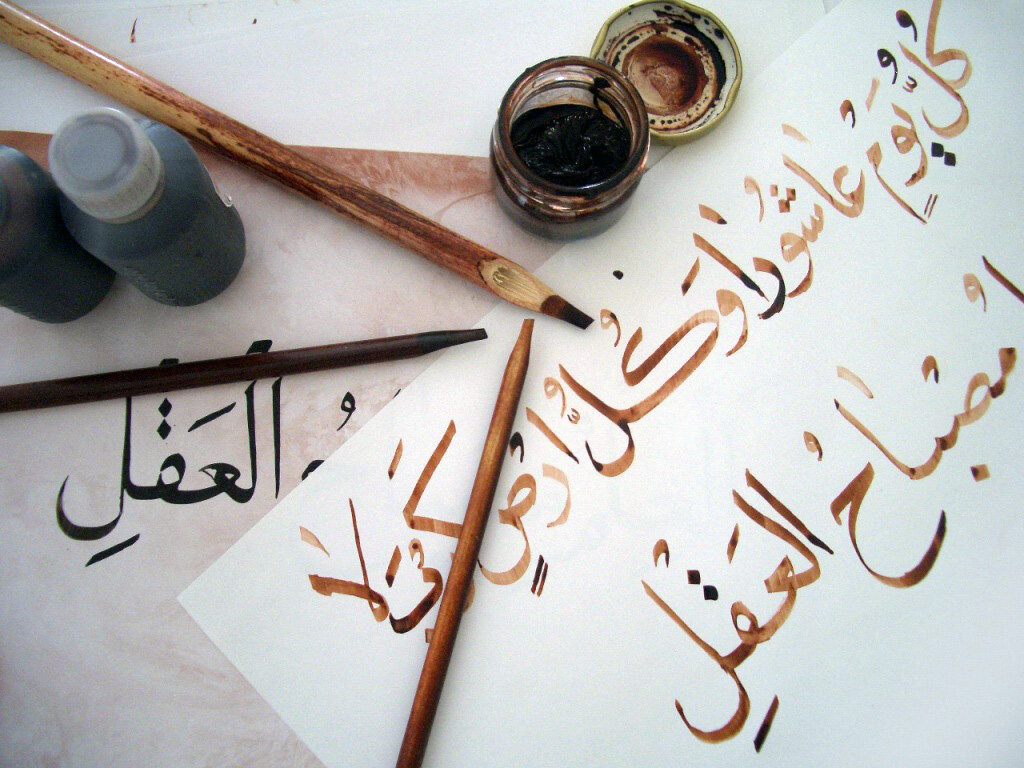
The script has 28 letters and is written from right to left. Some sounds will be familiar to English speakers, while others will be new. We'll focus on the basics to get you started.
Hello, Lebanon
Let's learn a few essential words and phrases. These are the building blocks for your first conversations. Notice how "how are you?" changes depending on who you're talking to.
Hello
This is a general greeting you can use with anyone at any time of day.
How are you? (to a male)
If you are speaking to a woman, you would say:
How are you? (to a female)
Here are a few more simple but important words to know.
| Lebanese Arabic | Pronunciation | English |
|---|---|---|
| شكراً | Shukran | Thank you |
| إيه | Ēh | Yes |
| لأ | La’ | No |
Practice these simple phrases. They'll open the door to your first conversations.
Ready to test what you've learned? Let's review the key ideas from this introduction.
Lebanese Arabic is part of which larger dialect group?
What is the common practice of mixing Arabic, French, and English in a single conversation called?
With these basics, you've taken your first step into the rich and dynamic world of Lebanese Arabic.