Leukemia Disease Basics
Introduction to Leukemia
When Blood Cell Production Goes Wrong
Leukemia is a type of cancer that affects the blood and bone marrow. To understand leukemia, we first need to look at where our blood cells are made.
The Body's Blood Factory
Deep inside our larger bones, there's a spongy material called bone marrow. Think of it as a busy factory that constantly produces all the different components of our blood. This factory is responsible for making three main types of cells, each with a critical job.
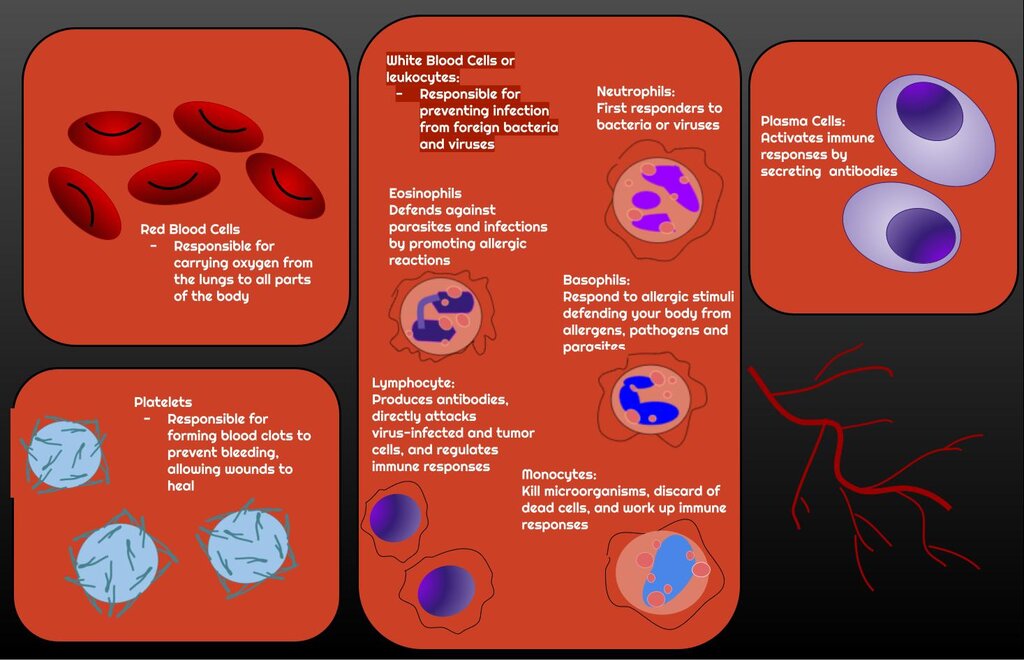
Red blood cells are the delivery trucks, carrying oxygen from our lungs to the rest of the body.
White blood cells are the security guards. They are a key part of our immune system, fighting off infections from bacteria and viruses.
Platelets are the repair crew. When you get a cut, these tiny cells rush to the scene to form a clot and stop the bleeding.
This production process is usually very orderly. The body makes new cells as it needs them, keeping everything in balance.
A Disruption in the Factory
In leukemia, this orderly process breaks down. The bone marrow starts to produce abnormal white blood cells that don't mature or function properly. These cancerous cells are called leukemia cells.
Unlike healthy cells, which know when to stop dividing, leukemia cells multiply uncontrollably. They begin to build up in the bone marrow, leaving less and less room for the factory to produce the healthy cells your body actually needs.
This
The core problem in leukemia is that these abnormal cells crowd out the healthy, functional red cells, white cells, and platelets. The lack of healthy cells is what causes most of the health issues associated with the disease.
| Healthy Cell Type | Function | Effect of Shortage |
|---|---|---|
| Red Blood Cells | Carry oxygen | Fatigue, weakness, pale skin |
| Platelets | Clot blood | Easy bruising, prolonged bleeding |
| Healthy White Blood Cells | Fight infection | Frequent or severe infections |
So, while the body has an abundance of white blood cells, they are abnormal and can't protect the body. At the same time, the shortages of red blood cells and platelets disrupt other essential functions like oxygen transport and wound healing. Let's review what we've learned.
What is the primary role of the bone marrow described in the text?
In leukemia, the core problem is that the bone marrow produces an uncontrolled number of abnormal ______.