Lesson Plan Creation From Document
Understanding Lesson Planning
The Blueprint for Learning
A lesson plan is a teacher's detailed guide for a lesson. Think of it as a recipe for learning. Just as a chef wouldn't start cooking without knowing the ingredients and steps, a teacher doesn't walk into a classroom without a plan. It outlines what students will learn, how they'll learn it, and how the teacher will know they've learned it.
Effective lesson planning requires the teacher to determine three essential components: the objective, the body, and a reflection.
The main purpose of a lesson plan is to create a coherent, logical flow for instruction. It ensures that every activity has a purpose and contributes to a larger learning goal. This structure provides a sense of direction for both the teacher and the students, turning classroom time into a productive and focused experience. It's the difference between a scenic, purposeful road trip and just driving around aimlessly.
Anatomy of a Lesson Plan
While formats vary, most effective lesson plans contain the same core components. Each piece plays a critical role in building a successful learning experience.
Let's break these down.
1. Learning Objectives: This is the most important part. It's a clear statement of what students should be able to do by the end of the lesson. Objectives should be specific and measurable. Instead of "Students will understand photosynthesis," a better objective is "Students will be able to label a diagram of a plant cell and describe the role of chlorophyll in photosynthesis."
2. Materials & Resources: This is a simple list of everything needed to teach the lesson. It could include textbooks, worksheets, videos, lab equipment, or specific software. Planning this in advance prevents interruptions and ensures the lesson runs smoothly.
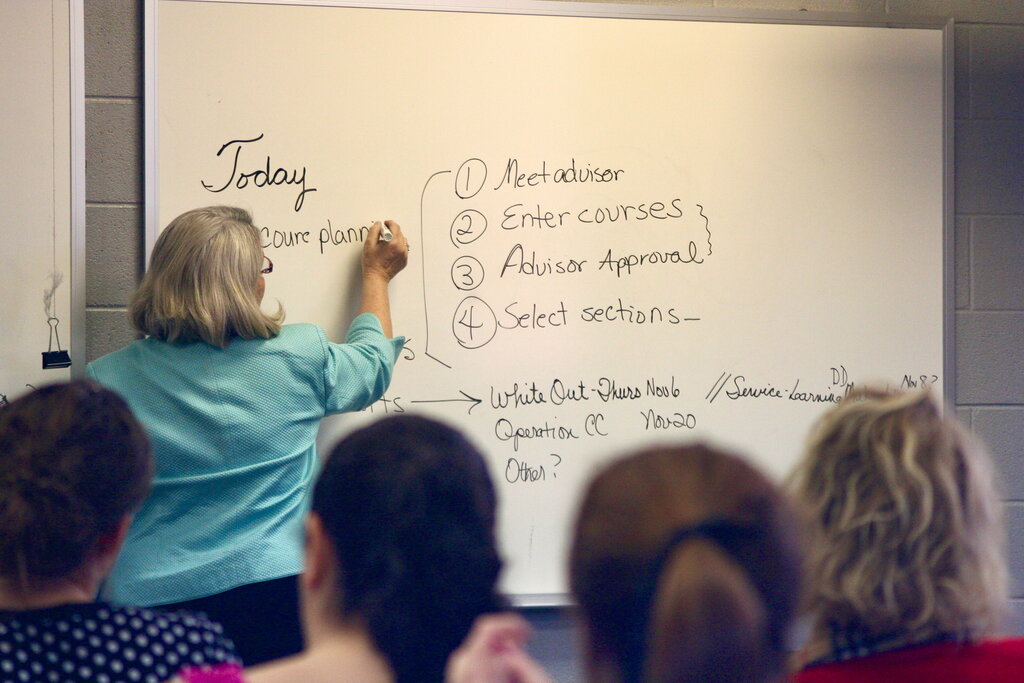
3. Instructional Methods: This section describes the activities that will happen during the lesson. It's the "how" of the plan. Will the teacher give a lecture? Will students work in small groups? Will they conduct an experiment? A good lesson often includes a variety of methods to keep students engaged, like a short lecture followed by a hands-on activity and then a group discussion.
4. Assessment & Evaluation: How will you know if students met the learning objectives? Assessment doesn't always mean a formal test. It can be as simple as asking students to summarize the main point of the lesson on an exit ticket, observing their participation in a discussion, or reviewing the worksheets they completed. This feedback is crucial for planning future lessons.
Why Planning Pays Off
Creating a detailed lesson plan takes time, but the benefits are significant. A well-structured plan acts as a roadmap, keeping the teacher on track and ensuring all necessary content is covered. This preparation builds confidence and reduces the stress of having to improvise.
For students, a planned lesson feels organized and purposeful. They understand the goal and see how each activity helps them get there. This clarity improves focus and engagement, leading to better learning outcomes.
A structured lesson plan helps turn abstract goals into concrete actions, making learning more effective and predictable.
Furthermore, lesson planning encourages teachers to be more thoughtful and reflective. It prompts them to think critically about the best ways to present information, what misconceptions students might have, and how to meet the needs of different learners. It's a professional discipline that separates good teaching from great teaching.
Time to check your understanding of these core concepts.
What is the primary purpose of a lesson plan?
Which of the following is the best example of a specific, measurable learning objective?
With a solid grasp of what a lesson plan is and why it matters, you're ready to start thinking about the content that goes into one.