Leopard Gecko Care Essentials
Introduction to Leopard Geckos
Where in the World?
Leopard geckos come from the arid landscapes of Central and South Asia. Their natural range stretches across Afghanistan, Iran, Pakistan, India, and Nepal. They are ground-dwellers, perfectly suited to life in rocky grasslands and deserts.
Instead of lush forests, their home is a world of sparse vegetation, with clay or sandy soils underfoot. This environment shapes everything about them, from what they look like to how they behave.
Built for the Desert
The leopard gecko's scientific name is Eublepharis macularius, which hints at its key features. Eublepharis means 'true eyelid,' as they are one of the few gecko species with movable eyelids. Macularius means 'spotted,' a direct reference to the beautiful patterns that give them their common name.
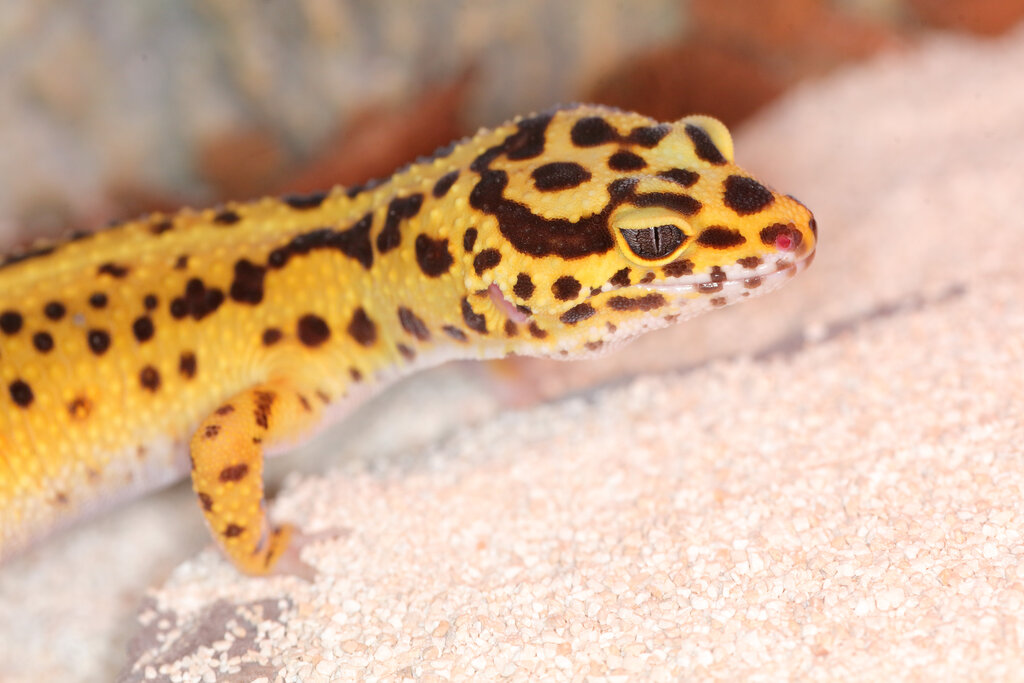
One of their most remarkable adaptations is their thick, fleshy tail. It's not just for balance; it's a fat-storage organ, like a camel's hump. This reserve of energy helps them survive when food is scarce.
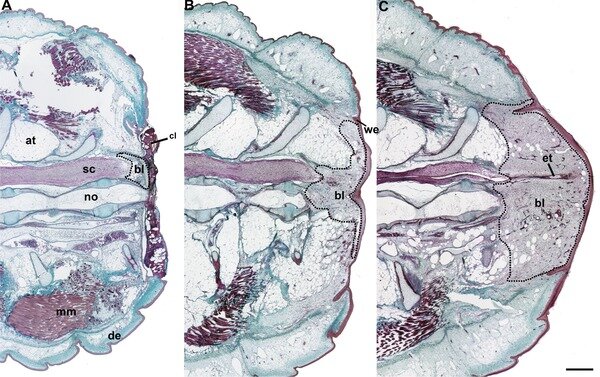
More dramatically, the tail can save their life. When threatened by a predator, a leopard gecko can detach its tail. The wriggling appendage distracts the attacker, allowing the gecko to escape.
This lost tail isn't gone forever. Leopard geckos have the incredible ability to regenerate a new one, though it often looks shorter and more bulbous than the original.
A Life After Dark
To avoid the blistering heat of the desert sun, leopard geckos are nocturnal. They spend their days resting in cool, underground burrows or sheltered rock crevices. This behavior helps them conserve water and energy.
As dusk falls and temperatures drop, they emerge to hunt. Their activity peaks during the twilight hours, when the air is cool but not cold.
In the wild, their diet consists of whatever insects they can find. They are opportunistic hunters, feeding on a variety of invertebrates like crickets, spiders, scorpions, and beetles. Their sharp senses help them locate prey in the dim light.
This lifestyle, combined with their hardy adaptations, allows them to thrive. With proper care in captivity, a leopard gecko can live for more than 25 years, making them a serious long-term commitment.
Let's test what you've learned about these fascinating creatures.
What is the primary function of a leopard gecko's thick tail?
The scientific name Eublepharis macularius offers clues about the leopard gecko. What does Eublepharis mean?
Understanding a leopard gecko's natural history is the first step to appreciating this unique and resilient reptile.