Leopard Gecko Breeding Basics
Leopard Gecko Basics
Meet the Leopard Gecko
The leopard gecko, or Eublepharis macularius, is one of the most popular reptile pets, and for good reason. They are small, have relatively simple care needs, and possess a docile temperament. Unlike many other geckos, they have movable eyelids, which gives them a distinctly expressive look.
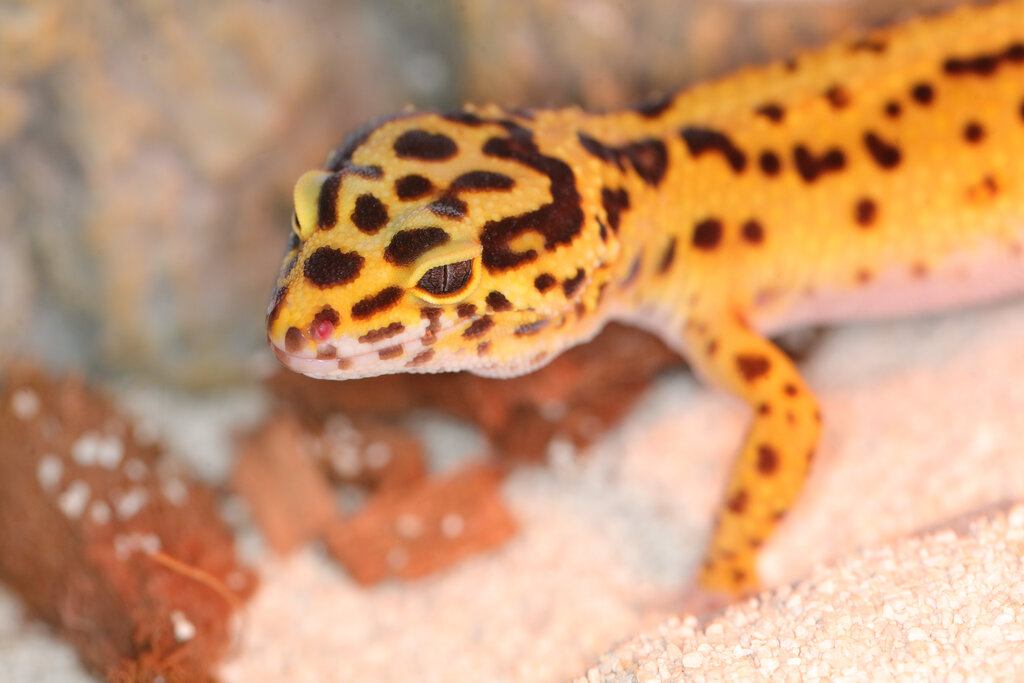
Originally from the dry, rocky regions of South Asia, these lizards have adapted perfectly to a life of navigating harsh landscapes. Understanding their origins is the first step to appreciating what makes them unique.
A Life in the Desert
Leopard geckos are native to the arid grasslands and deserts of Afghanistan, Pakistan, northwestern India, and parts of Iran. Their natural environment is rocky and dry, with sparse vegetation. They spend their days seeking refuge from the heat in underground burrows or rock crevices.
This lifestyle has shaped their behavior. Leopard geckos are crepuscular, meaning they are most active during the twilight hours of dawn and dusk when temperatures are cooler. This is when they emerge to hunt for insects and other invertebrates.
Built to Survive
Leopard geckos are relatively small lizards. Adults typically reach a length of about 7 to 9 inches (18 to 23 cm) and weigh between 45 and 65 grams. Their skin isn't smooth like many other lizards; it's covered in small, bumpy tubercles that give it a rough texture. With proper care, they can live for 15-20 years in captivity, with some individuals living even longer.
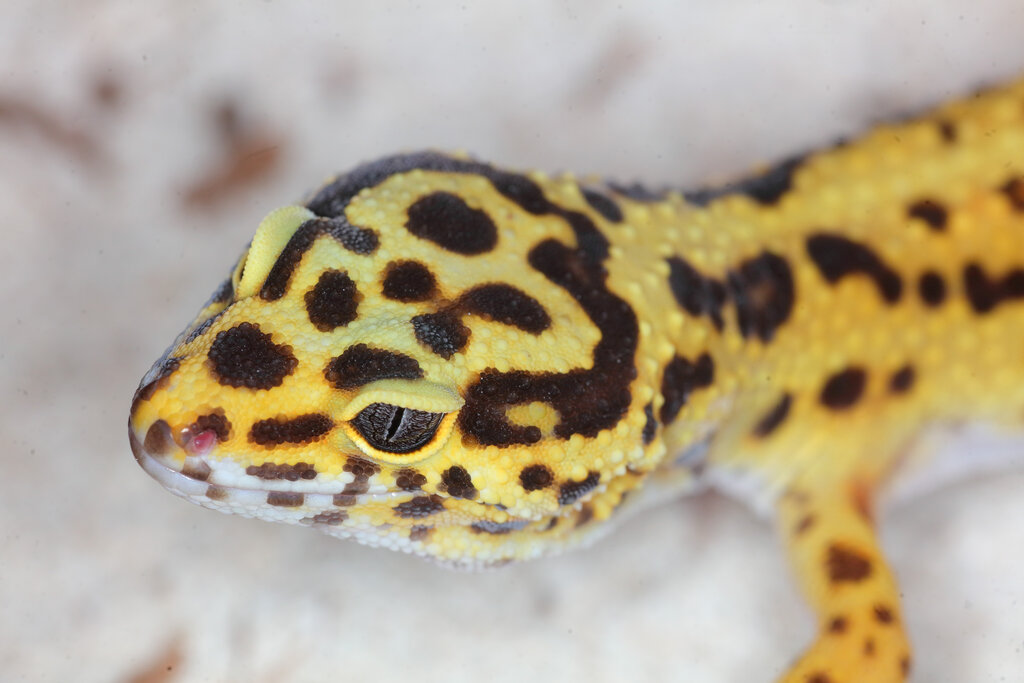
One of their most fascinating survival tactics is tail autotomy. It's a dramatic defense mechanism used to escape from predators.
autotomy
noun
The voluntary shedding or casting off of a part of the body, such as the tail, to escape a predator.
If a predator grabs a leopard gecko by its tail, the gecko can voluntarily detach it. The dropped tail will continue to twitch and wiggle for several minutes, distracting the predator and giving the gecko a chance to escape.
Their thick tail is also where they store fat reserves, which they use for energy when food is scarce. Losing it is a significant event, but not a fatal one. A new tail will eventually grow back, though it will typically be shorter, stumpier, and have a different pattern than the original.
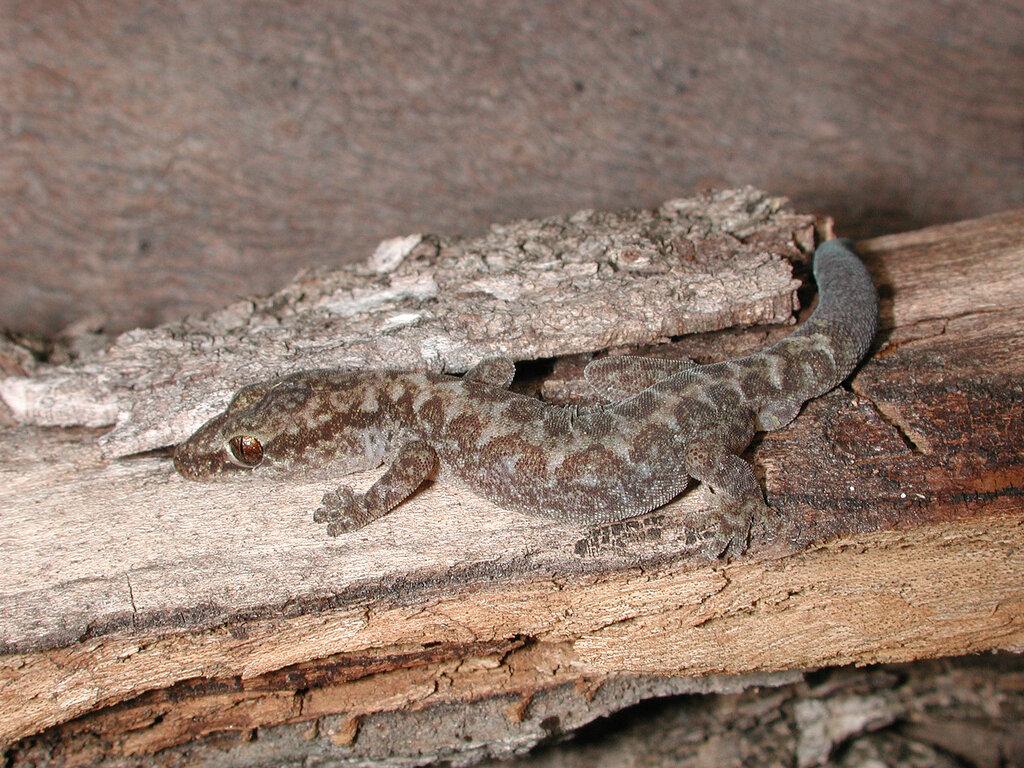
Never grab a leopard gecko by its tail. While they can drop it to escape danger, losing it is stressful and costs them valuable energy reserves.
Now that you know the basics about these fascinating creatures, let's test your knowledge.