LEO Satellite Hacking with Kali Linux
Satellite Systems Overview
Anatomy of a Satellite
A satellite is essentially a self-contained robot flying through space. To survive and do its job, it's organized into several distinct parts, known as subsystems. Each subsystem has a specific role, and they all work together to keep the satellite operational.
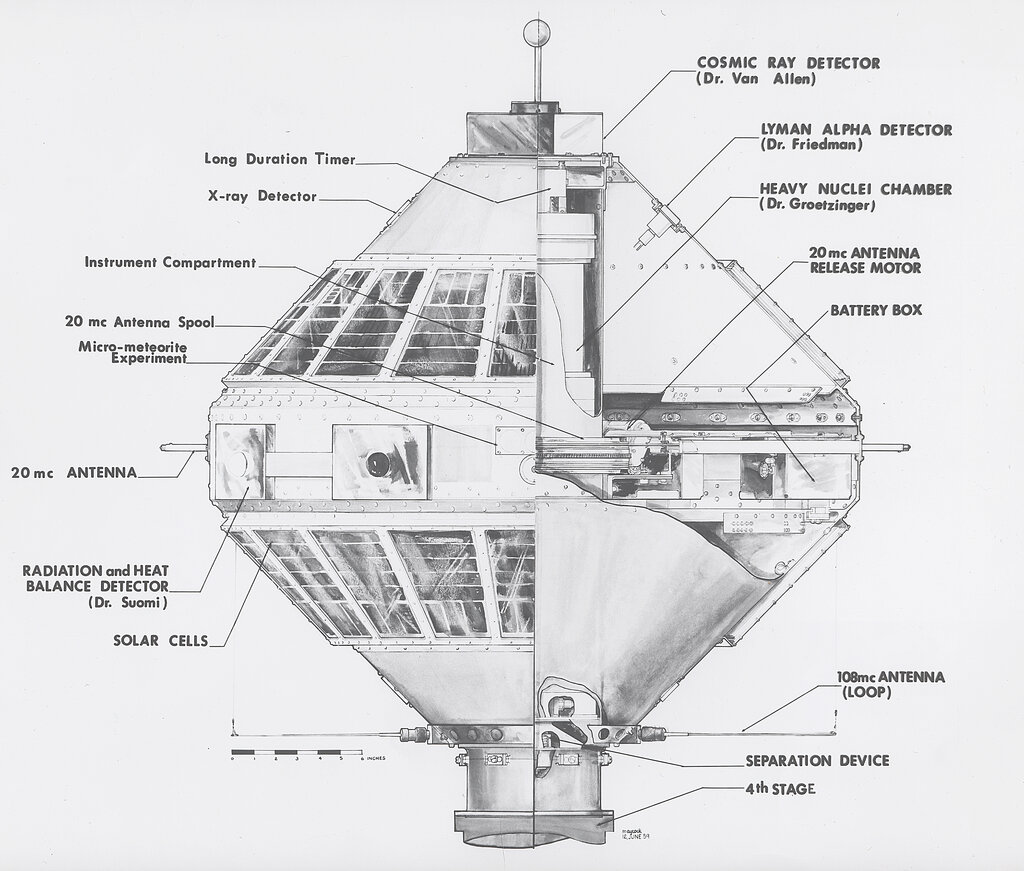
Think of these subsystems like the different organ systems in a body. You have a brain, a skeleton, a circulatory system, and so on. A satellite is no different. While the specific design varies, most satellites include the following core components.
| Subsystem | Purpose |
|---|---|
| Payload | The primary equipment for the mission, like cameras, sensors, or antennas. |
| Power | Generates and stores electricity, usually with solar panels and batteries. |
| Propulsion | Includes thrusters or engines used to adjust the satellite's orbit. |
| Attitude Control | Orients the satellite, keeping its antennas and solar panels pointed correctly. |
| Communications | The radio equipment (transceivers and antennas) for sending and receiving data. |
| Structure | The physical frame that holds everything together and protects it. |
| Thermal Control | Manages temperature, preventing the electronics from freezing or overheating. |
| Telemetry, Tracking, & Command (TT&C) | Monitors the satellite's health (telemetry) and receives instructions from the ground (command). |
How Satellites Communicate
A satellite's main purpose is to collect or relay information. This requires a constant conversation with control centers on the ground. This communication happens through radio waves sent between the satellite and ground stations.
The signal sent from a ground station up to a satellite is called an uplink. The signal sent from the satellite down to the ground is a downlink.
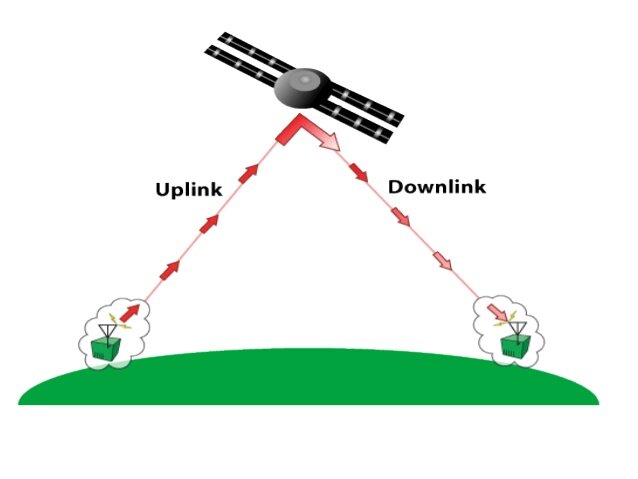
These signals travel at different frequencies, which are organized into bands. Lower-frequency bands can penetrate obstacles like clouds and rain more easily but carry less data. Higher-frequency bands can transmit huge amounts of data but are more susceptible to weather interference. The choice of band depends on the mission's needs.
| Band | Frequency Range | Common Use |
|---|---|---|
| L-Band | 1-2 GHz | GPS, mobile satellite services |
| S-Band | 2-4 GHz | NASA communications, weather data |
| C-Band | 4-8 GHz | Satellite TV broadcasting |
| X-Band | 8-12 GHz | Military communications, deep space |
| Ku-Band | 12-18 GHz | Satellite internet, broadcast services |
| Ka-Band | 26.5-40 GHz | High-speed satellite internet (e.g., Starlink) |
The rules for this communication are set by protocols. While many systems use a version of the familiar TCP/IP that powers the internet, it's often adapted for the unique challenges of space. Factors like signal delay (latency) and potential data loss require specialized protocols to ensure messages get through reliably.
Life in Orbit
Once a satellite is launched, its life is a carefully managed balancing act. Its operational mechanisms are all about staying in the right place, pointing in the right direction, and carrying out its mission.
Satellites in Low Earth Orbit (LEO) circle the planet at high speed, completing an orbit in about 90 minutes. Because they are relatively close (under 2,000 km altitude), they can only "see" a small portion of the Earth at any one time. To provide continuous coverage, LEO satellites often operate in large groups called constellations.
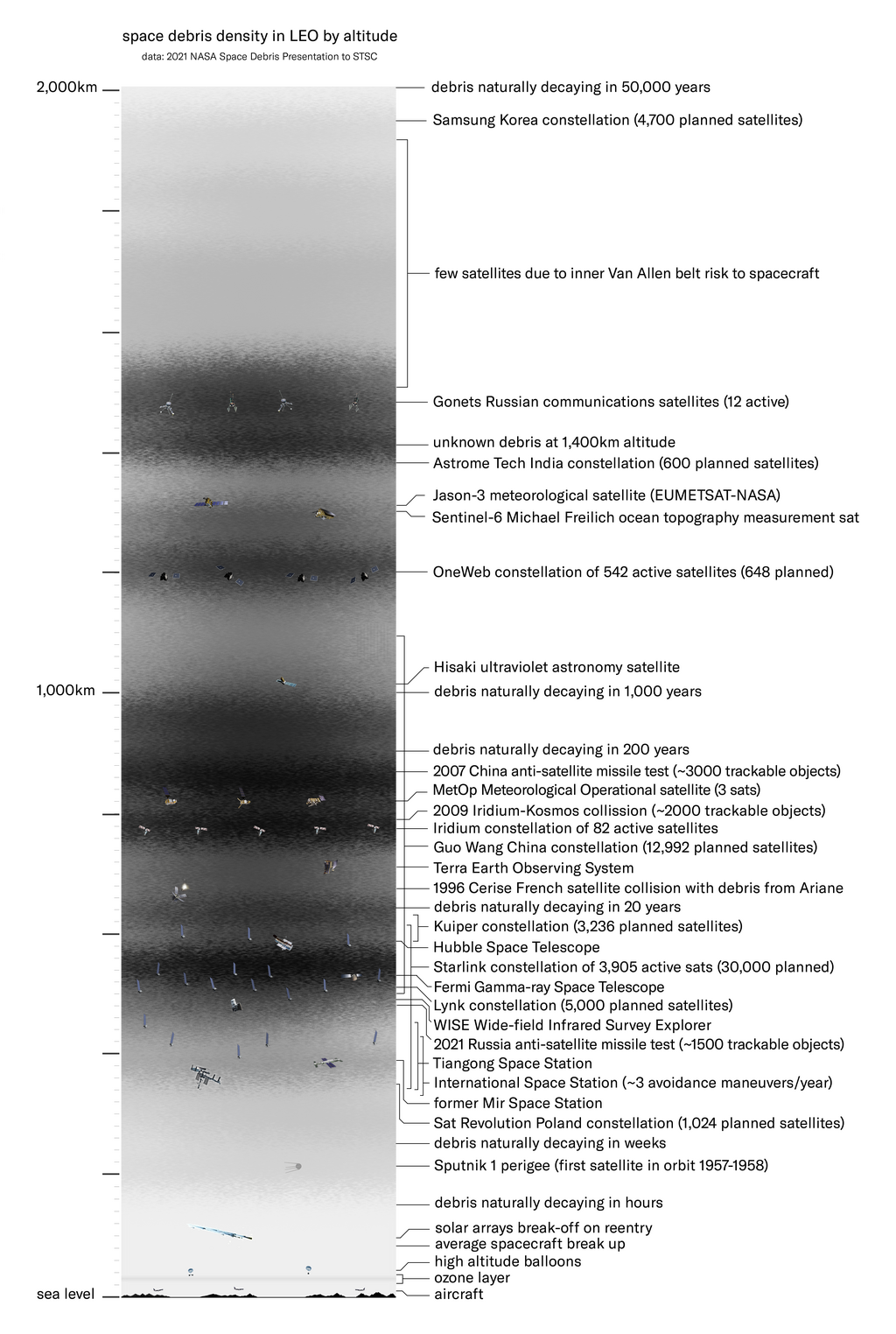
To stay in the correct orbit and orientation, the satellite uses its attitude control system. This system might use small thrusters, spinning reaction wheels, or magnetorquers that push against the Earth's magnetic field. It constantly makes tiny adjustments to keep the satellite stable.
Ground controllers monitor the satellite's health using telemetry data—a stream of information about its temperature, power levels, and system status. Based on this data, they send commands to update its software, adjust its orbit, or direct its payload to a new target. This cycle of monitoring and commanding is the core of satellite operations.
Now, let's test your understanding of these fundamental concepts.
Why are satellites organized into distinct subsystems?
A satellite mission requires transmitting large amounts of data but can tolerate occasional disruptions from bad weather. Which type of frequency band is the better choice?
Understanding this basic architecture and operation is the first step in analyzing how satellite systems work and where their vulnerabilities might lie.