Leica Q2 Night Sky Photography
Leica Q2 Features
Sensor and Lens
At the core of the Leica Q2's low-light capability is its 47.3-megapixel full-frame CMOS sensor. A full-frame sensor is the same size as a classic 35mm film frame, which is significantly larger than the sensors found in most consumer cameras. This large surface area allows each individual pixel to be bigger, enabling them to gather more light with less noise. For astrophotography, this translates to cleaner, more detailed images of the night sky.
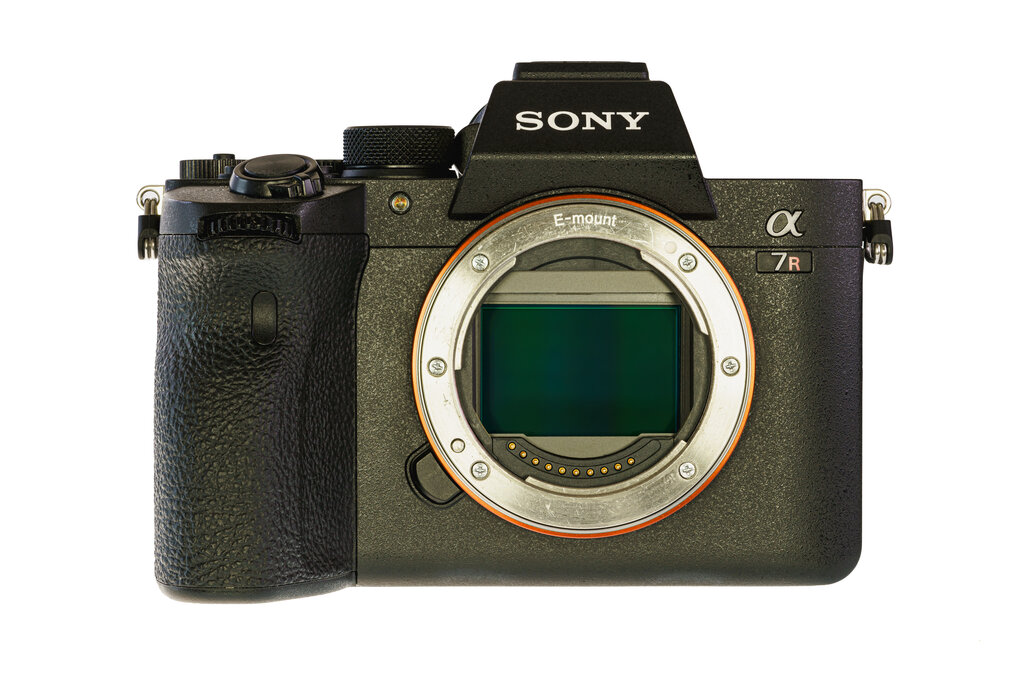
The high megapixel count isn't just for large prints. It gives you incredible flexibility in post-processing. You can crop into a section of the sky to highlight a specific constellation or nebula without a significant loss of image quality. This is particularly useful given the camera's fixed lens.
Paired with this sensor is the Summilux 28mm f/1.7 ASPH lens. The "f/1.7" refers to its maximum aperture, which is the opening that lets light into the camera. A wider aperture (a lower f-number) gathers more light, which is essential for capturing faint starlight. The f/1.7 aperture allows the Q2 to collect a tremendous amount of light, enabling you to use lower ISO settings and faster shutter speeds to get sharp, vibrant images of the stars.
A large sensor plus a wide-aperture lens is the ideal combination for capturing as much light as possible from distant stars and galaxies.
Taking Control in the Dark
Autofocus systems struggle in the dark. They hunt for contrast that simply isn't there when pointed at a sky full of tiny, faint stars. This is why precise manual focus is non-negotiable for astrophotography. The Leica Q2 excels here with a well-dampened manual focus ring that allows for minute adjustments. More importantly, it offers tools like focus peaking, which highlights in-focus edges on the screen, and focus magnification, which zooms into a portion of the frame so you can confirm that the stars are perfect pinpricks of light.
The camera's ISO ranges from a base of 50 up to 50,000. While you'll rarely use the highest settings, the Q2 produces remarkably clean files at ISOs like 3200 and 6400. This strong high-ISO performance means you can capture the Milky Way without it being overwhelmed by digital noise or grain.
For shutter speed, the Q2 offers a range from 60 seconds to 1/2000 of a second using its mechanical shutter. The 60-second option is often sufficient for capturing star trails or brighter deep-sky objects. For even longer exposures, you can use an external intervalometer or remote to trigger the camera in bulb mode, keeping the shutter open for as long as you need.
Keeping It Steady
While a sturdy tripod is the most important tool for stabilizing your camera during long exposures, the Q2 includes an Optical Image Stabilization (OIS) system. This feature physically moves the sensor to counteract small movements and vibrations.
For multi-minute exposures locked down on a tripod, it's best to turn OIS off to prevent the system from introducing its own micro-vibrations. However, for shorter night sky shots, especially in slightly windy conditions or on less-than-perfectly stable ground, the OIS can provide an extra layer of security, helping ensure your stars remain sharp and point-like.
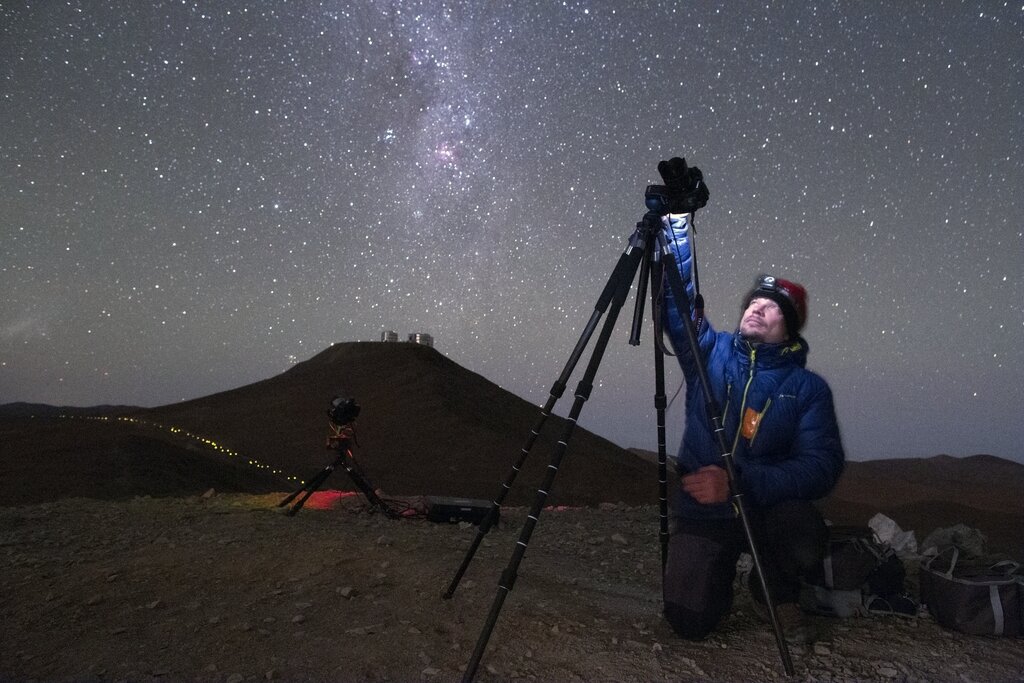
The combination of these features makes the Leica Q2 a surprisingly capable tool for capturing the night sky. Its high-resolution sensor, fast lens, and excellent manual controls give you everything you need to create stunning celestial images.
Why is the Leica Q2's full-frame sensor particularly effective for astrophotography?
What does the f/1.7 specification of the Summilux lens indicate?