Legal Risks of Online Legal Marketplaces
Introduction to Legal Marketplaces
What Are Legal Marketplaces?
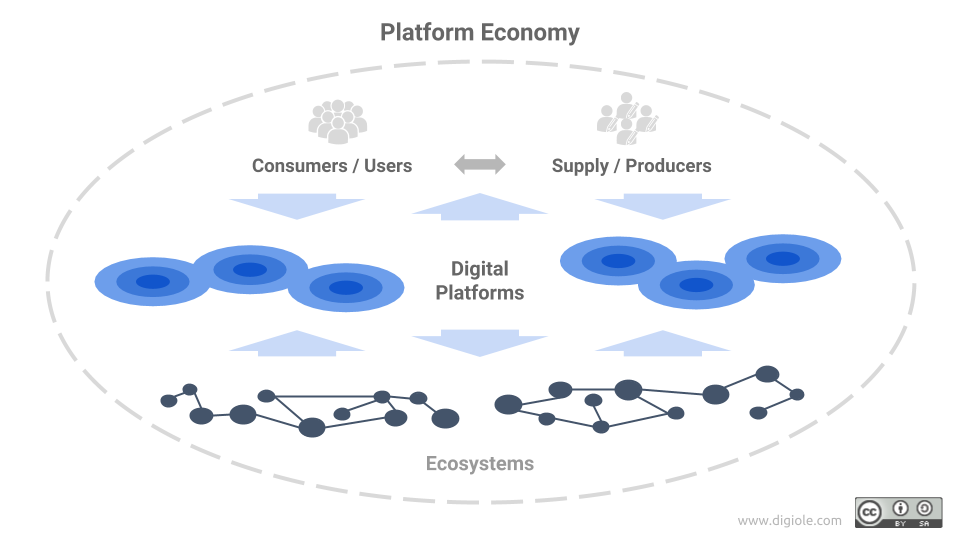
Think of a legal marketplace like a digital town square. On one side, you have people and businesses looking for legal help. On the other, you have lawyers and law firms offering their services. The marketplace is the platform that brings them together.
These are often called two-sided marketplaces because they serve two distinct groups: clients and attorneys. Instead of relying on word-of-mouth or sifting through a phone book, clients can browse profiles, compare prices, and read reviews. Lawyers, in turn, get access to a steady stream of potential clients they might not have reached otherwise.
Examples of these platforms include names like Avvo, UpCounsel, and LegalZoom. They all share the same core function: making the connection between a legal need and a legal professional as seamless as possible.
This model simplifies the process for both sides, using technology to bridge the gap that traditionally existed in the legal field.
How They Work
Legal marketplaces don't all operate the same way. Their business models vary, but they generally fall into a few common categories.
Some platforms act like a directory, charging attorneys a subscription fee to be listed. Others use a lead-generation model, where lawyers pay for each potential client referral they receive. A third model involves the platform taking a percentage of the legal fees paid by the client to the lawyer for work secured through the site.
Many platforms also offer additional tools to streamline the workflow. This can include secure messaging systems, document sharing, and payment processing, making the entire engagement, from initial contact to final payment, happen within the platform's ecosystem.
Benefits for Everyone
The rise of these platforms has created significant advantages for both clients and attorneys.
For clients, the primary benefits are access, transparency, and choice. Suddenly, finding a lawyer isn't limited to your immediate geographic area or personal network. You can search for specialists across the state, read reviews from past clients, and often see upfront pricing for common services. This demystifies the process and makes legal help feel more approachable and less intimidating.
| Client Benefit | How It Helps |
|---|---|
| Wider Access | Find specialists beyond your local area. |
| Transparency | See attorney reviews and upfront pricing. |
| Convenience | Search for and hire legal help from home. |
| Choice | Compare multiple lawyers to find the best fit. |
For attorneys, especially those in solo practice or at small firms, marketplaces are a powerful marketing tool. They level the playing field, allowing smaller players to compete with large firms that have massive advertising budgets. By connecting them with a broad base of potential clients, these platforms help lawyers build their practices and focus more on practicing law, rather than on finding their next client.
They also provide a structured way to manage client intake and communication, which can increase efficiency.
A Growing Market
The market for online legal services in the U.S. has seen steady growth. As people become more comfortable handling everything from shopping to banking online, the expectation for accessible digital services has extended to the legal industry.
This shift is changing how legal services are delivered. It's pushing the industry towards more client-centered models, where pricing is more transparent and services are more convenient. While traditional law firms remain dominant, the impact of these digital platforms is undeniable, particularly for individuals and small businesses seeking affordable and straightforward legal assistance.
By bringing competition and transparency online, legal marketplaces are making legal services more accessible to the average person than ever before.
Now, let's check your understanding of these concepts.
What is the primary function of a legal marketplace?
For attorneys, especially those in solo or small practices, a major benefit of legal marketplaces is that they level the playing field, allowing smaller players to compete with large firms that have massive advertising budgets.
These platforms represent a fundamental change in how people find and hire legal help, driven by the same digital trends that have reshaped so many other industries.