Legal AI Tools and Strategies
Introduction to Legal AI
AI Enters the Courtroom
Artificial intelligence is no longer just a concept from science fiction. It's a powerful tool that is reshaping many industries, and the legal world is no exception. At its core, legal AI refers to technology that can perform tasks traditionally handled by lawyers, paralegals, and legal staff. This isn't about robot lawyers arguing cases, but about using smart systems to make legal work more efficient and accurate.
The idea of using computers in law has been around for decades. Early systems, dating back to the 1970s, were simple, rule-based programs. You could feed them a specific set of rules, like a tax code, and they could apply those rules to a given situation. But they were rigid. If a situation fell outside the pre-programmed rules, the system was useless.
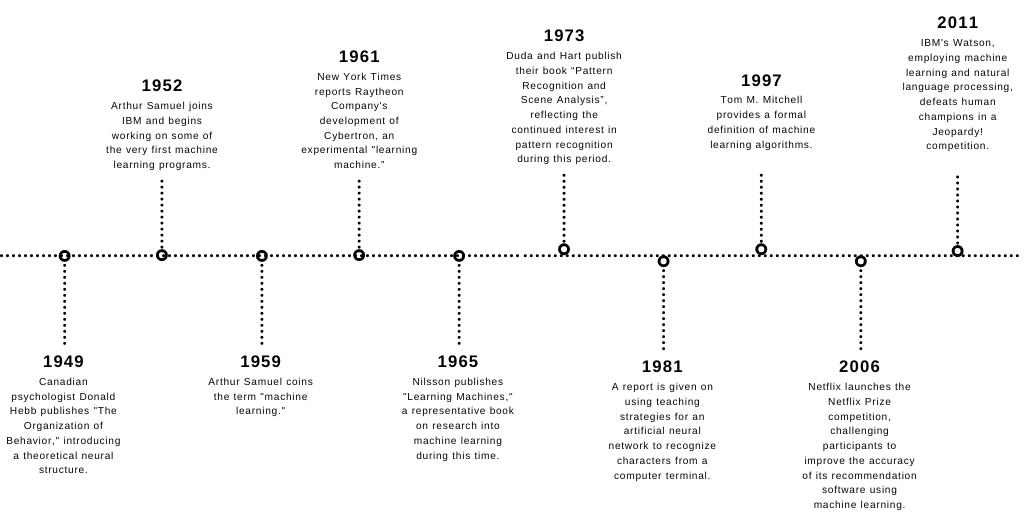
The real game-changer was the development of more advanced AI technologies. Instead of just following strict rules, modern systems can learn and adapt.
The Tech Behind the Scenes
Two key technologies drive most of the AI tools used in the legal field today: machine learning and natural language processing. Understanding them is key to seeing how AI is changing the profession.
Machine Learning
noun
A type of artificial intelligence that enables a system to learn and improve from experience without being explicitly programmed.
Think of machine learning like training a new legal assistant. You wouldn't just give them a rulebook and expect them to be an expert. Instead, you'd show them hundreds of examples of past cases, contracts, and legal briefs. Over time, they would start to recognize patterns. Machine learning algorithms do the same thing, but on a massive scale. They can sift through millions of documents to identify patterns, predict outcomes, or flag potential risks.
Natural Language Processing
noun
A field of AI that helps computers understand, interpret, and manipulate human language.
The law is built on language. Contracts, statutes, and court opinions are all text. Natural Language Processing, or NLP, is what allows AI to read and understand this language. It can extract key pieces of information, like names and dates from a contract, or even understand the sentiment and arguments within a legal document.
The Benefits for Legal Practice
The primary benefit of AI in law is efficiency. Legal professionals spend a huge amount of time on repetitive, time-consuming tasks like document review for discovery. An AI can review thousands of documents in the time it would take a human to get through a few dozen, and it can do so without getting tired or losing focus.
This increased efficiency leads to cost savings, which can make legal services more affordable and accessible. It also frees up lawyers to focus on higher-value work, such as developing case strategy, advising clients, and negotiating settlements. Accuracy is another major plus. By automating reviews and research, AI can help reduce the risk of human error.
AI automates the repetitive, freeing up legal minds for the complex. It handles the volume so lawyers can focus on the value.
Challenges and Ethical Questions
Adopting AI isn't without its challenges. One of the biggest concerns is bias. If an AI system is trained on historical data that contains biases, the AI will learn and perpetuate those same biases. For example, if an AI is trained on past judicial decisions that show a bias against a certain group, it might make biased predictions about future cases.
Confidentiality is another huge issue. Law firms handle incredibly sensitive client information. Using third-party AI tools means that data is being shared, which raises serious security and privacy concerns. There’s also the question of accountability. If an AI makes a mistake that negatively impacts a case, who is responsible? The lawyer who used the tool, the firm that bought it, or the company that developed it? These are complex questions the legal profession is still grappling with.
As AI technologies advance, they raise complex legal issues related to privacy, liability, intellectual property, and ethics.
Finally, there's the ethical obligation for lawyers to maintain competence. As AI becomes more integrated into legal practice, understanding how these tools work—and their limitations—is becoming a necessary skill.
Let's review what we've covered.
What is the primary function of legal AI as described in the text?
How did the early, rule-based legal systems of the 1970s differ from modern legal AI?
The integration of AI into law is a balancing act between leveraging powerful new tools and carefully navigating the ethical and practical challenges they present.