Legacy of the Citadel Fort Santiago
Strategic Roots
The Strategic River Mouth
Location is everything in military strategy. Before Fort Santiago existed, its location was already the most important piece of land on the island of Luzon. The spot where the Pasig River flows into Manila Bay creates a natural chokepoint. Control this point, and you control the flow of trade and people between the vast inland regions and the open sea.
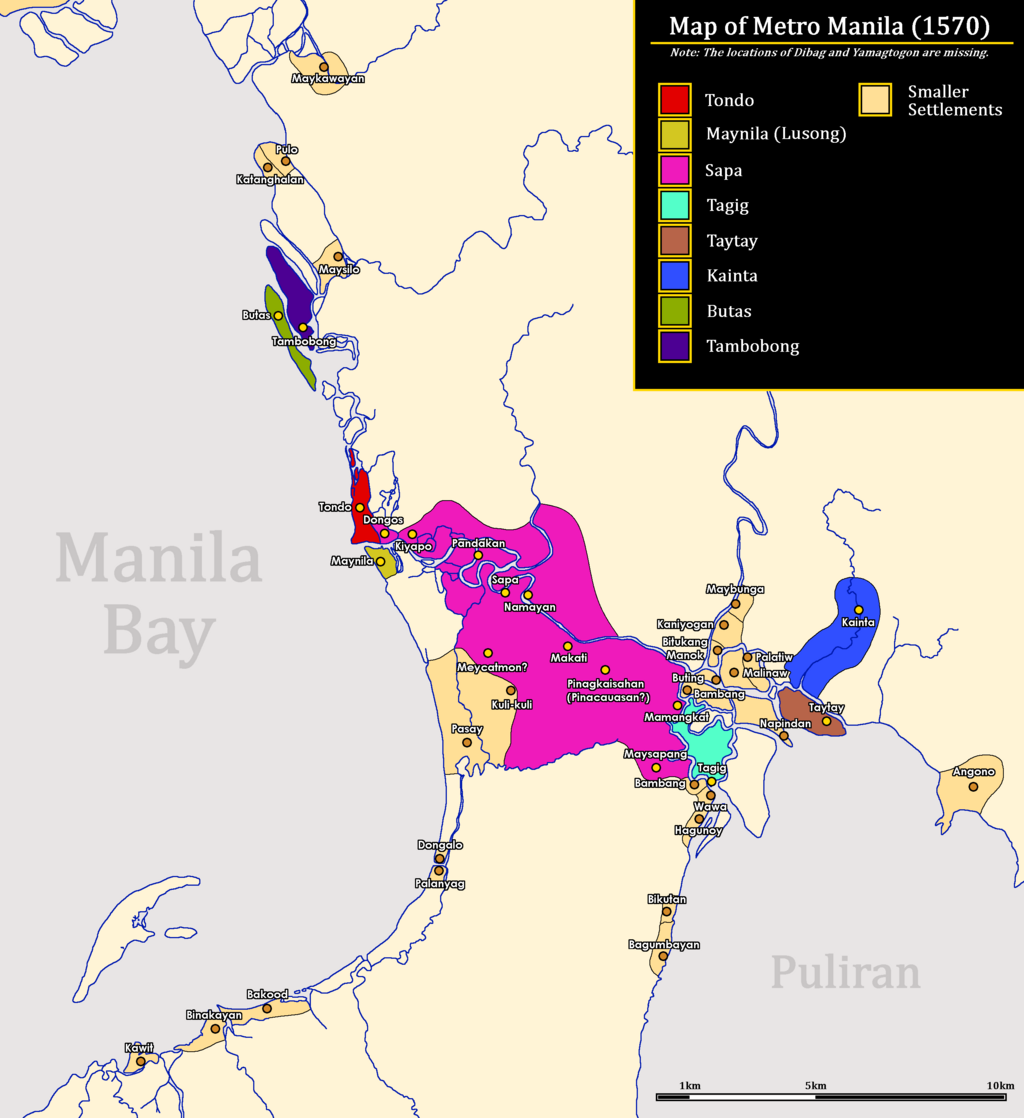
Long before the Spanish arrived, a thriving Tagalog settlement called Maynila occupied this strategic ground. It was ruled by Rajah Sulayman, who understood the land's value. His settlement was defended by a palisade—a tall fence made of sharpened wooden logs—that encircled the community. This wasn't just a simple fence; it was a functional fortress for its time.
To bolster their defenses, the warriors of Maynila used small, maneuverable bronze cannons known as lantaka. These were not imported weapons. They were crafted by a local artisan named Panday Pira, a testament to the sophisticated metalworking skills present in the region.
Conquest and Construction
In 1571, the Spanish conquistador Miguel López de Legazpi arrived. He immediately recognized the strategic superiority of Rajah Sulayman's settlement. After conquering Maynila, Legazpi didn't look for a new place to build his capital; he built it directly on the ruins of the old one.
The Spanish understood that this location was their key to controlling the Philippines and establishing a major trading hub. The site's orientation towards Manila Bay offered a secure harbor for their galleons, while its command of the Pasig River provided access to the island's interior. This was the designated 'Gateway to the Orient' for the Spanish Empire.
The first Spanish fortification wasn't stone. It was a simple, hastily built structure of packed earth, logs, and wooden planks, built on the footprint of Sulayman's original palisade.
A Trial by Fire
The new, simple fort faced its first major test just three years later. In 1574, a Chinese pirate named Limahong attacked Manila with a formidable force of thousands of men. The Spanish defenses were pushed to their limit.
Limahong's forces managed to burn the primitive wooden fort. The Spanish barely repelled the assault. The attack was a brutal but valuable lesson. It proved that a simple fort made of wood and earth was not enough to protect their new capital from serious threats.
This failure was the direct catalyst for change. The Spanish governor ordered the construction of a proper stone fortress, a structure that could withstand a determined siege. The attack by Limahong ensured that the future of Manila's defense would be built not from logs, but from stone and mortar.
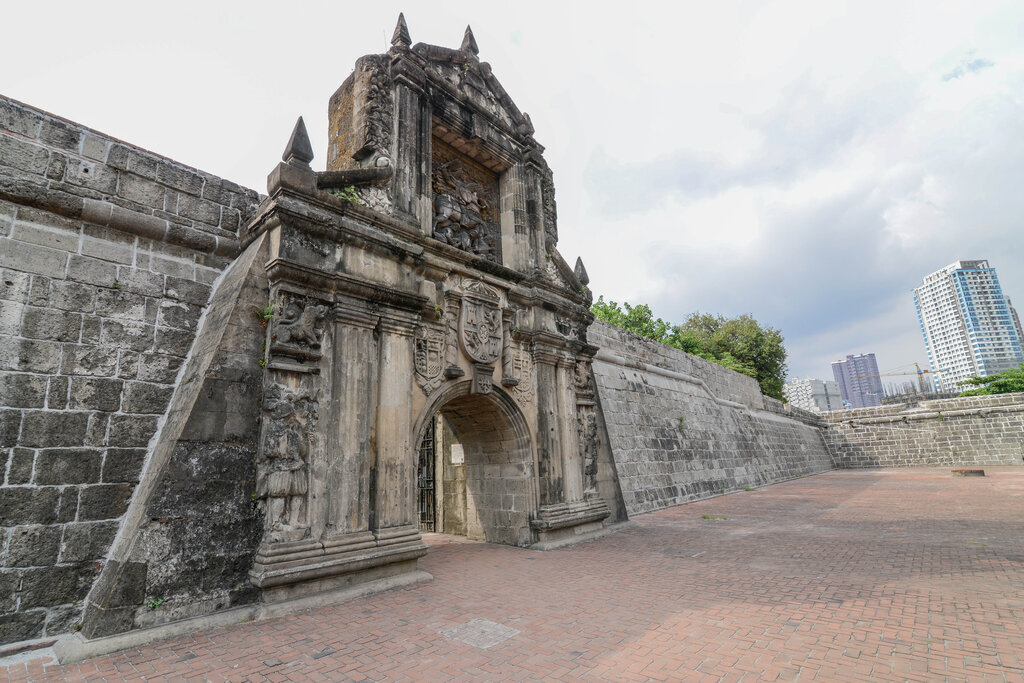
The strategic value of the land was never in question. From a native palisade to a Spanish stone fortress, the mouth of the Pasig River was always destined to be the center of power.
What made the location where Fort Santiago was built so strategically important from the very beginning?
Before the Spanish arrived, the settlement of Maynila was defended by a wooden palisade and bronze cannons called lantaka.