Legacy F-18 International Sustainment
FMS Ecosystem
The F/A-18's Global Reach
The F/A-18 Hornet's story extends far beyond the U.S. Navy and Marine Corps. Dozens of allied nations fly these jets, but they don't simply buy them off a production line. Instead, they acquire them through a unique government-to-government framework called Foreign Military Sales, or FMS. This system is the primary way the U.S. transfers defense articles, services, and training to international partners.
At its heart, the FMS program operates on a '' basis. The U.S. government acts as a broker, not a profiteer. When a country like Finland or Kuwait decides to acquire F/A-18s, the U.S. government manages the procurement from defense contractors on their behalf. The partner nation pays the same price the Department of Defense would, plus a small administrative fee to cover the cost of managing the program. This approach ensures fairness and focuses the arrangement on building long-term strategic relationships rather than generating revenue.
The Paper Trail of Partnership
The FMS process is highly structured and managed by several key entities. The central node is the Defense Security Cooperation Agency (DSCA), which provides overall policy and financial oversight for the FMS program. For a naval aircraft like the F/A-18, the U.S. Navy acts as the Implementing Agency, handling the technical and logistical details of the specific sale.
It all begins when a foreign government submits a formal (LOR). This document is more than just a shopping list; it outlines the country's specific defense needs. For an F/A-18 request, it would detail the number of aircraft, desired weapon systems, pilot training requirements, and the need for long-term logistics support.
In response, the U.S. government develops a Letter of Offer and Acceptance (LOA). This is a legally binding document that details the complete package: the exact items and services, estimated costs, payment schedules, and the terms and conditions of the sale. Once the partner nation signs the LOA, it becomes an official FMS case, and the complex work of procurement and support begins.
From Purchase to Partnership
For a legacy platform like the F/A-18A-D Hornet, the FMS case is rarely about buying new planes. Most of these aircraft were transferred to partners after their service in the U.S. Navy. The real focus of the FMS case is sustainment. This means creating a decades-long relationship to keep the fleet flying safely and effectively.
Sustainment cases are incredibly detailed. They cover the procurement of spare parts, access to U.S. government engineering support, software updates, maintenance training, and technical manuals. When a Finnish Air Force technician needs to troubleshoot a radar issue on an F/A-18C, the FMS case provides the framework to get engineering data from the U.S. Navy. This "total package approach" is what makes FMS so valuable. It’s not just about the hardware; it's about the entire ecosystem needed to operate it.
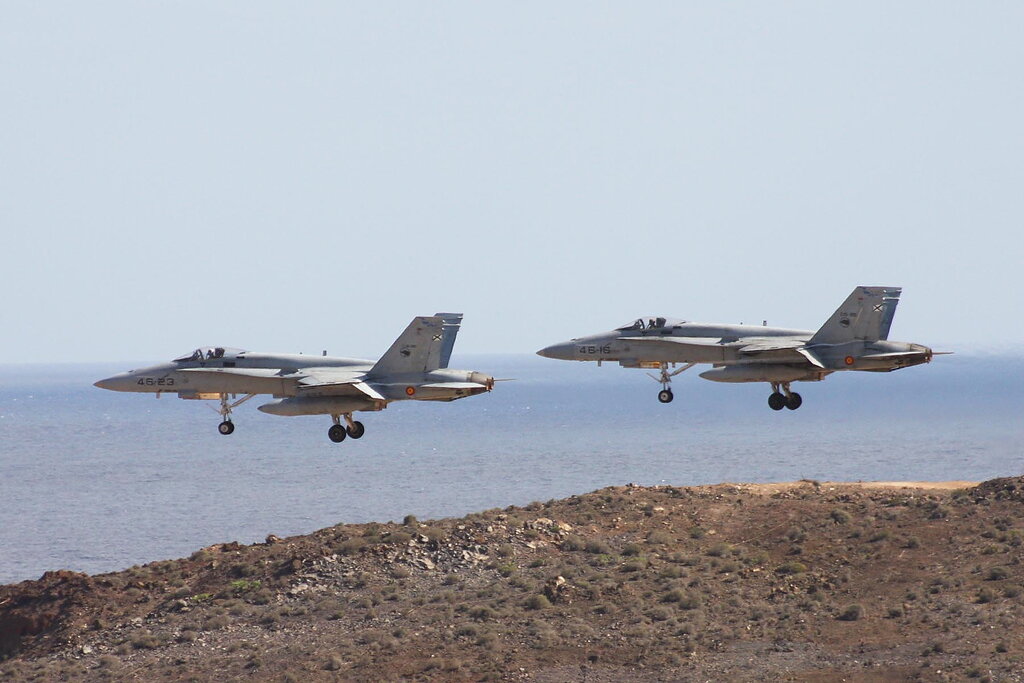
Countries like Kuwait, Finland, Malaysia, and Switzerland all operate fleets of Legacy Hornets procured via FMS. Each country has a unique set of cases tailored to their specific operational and support needs. As these jets age, the FMS cases evolve, shifting focus from initial setup to addressing issues like structural fatigue, obsolescence management, and planning for the fleet's eventual retirement. This life-cycle management is a core function of the FMS program.
What is the fundamental financial principle of the Foreign Military Sales (FMS) program?
Which U.S. government entity is responsible for the overall policy and financial oversight of the FMS program?
The FMS framework is a powerful tool of U.S. foreign policy, turning a simple aircraft sale into a lasting security partnership that enhances the capabilities of allies around the globe.