Lebanese Arabic in 15 Minutes Daily
Lebanese Alphabet
The Lebanese Alphabet
Lebanese Arabic uses the standard Arabic script, which has 28 letters. Like other forms of Arabic, it’s written and read from right to left. So, you’ll start at what an English reader would consider the back of the book and read lines from the right side of the page to the left.
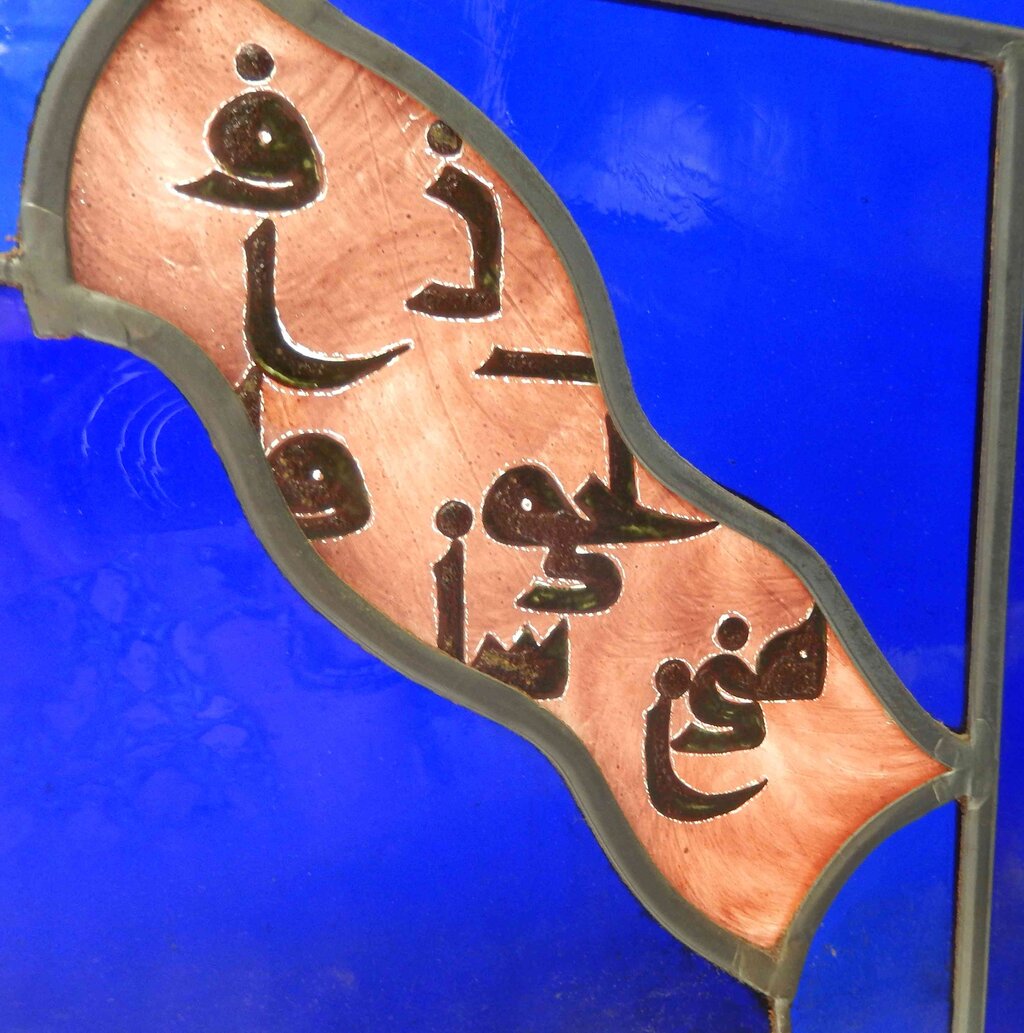
While the letters are the same as those used in Modern Standard Arabic (MSA), the pronunciation in Lebanese dialect can be quite different. Don’t worry about memorizing every letter’s shape right away. The first step is to get familiar with the sounds and how we write them using Latin (English) characters. This process is called transliteration, and it’s a huge help for beginners.
Letters and Sounds
Let's go through the alphabet. The table below shows each Arabic letter, its name, how it's commonly pronounced in Lebanese, and the character we'll use to represent it in our transliteration system.
| Letter | Name | Pronunciation Guide | Transliteration |
|---|---|---|---|
| أ | alif | like 'a' in 'cat' or 'aa' in 'baa' | a / ā |
| ب | bē | like 'b' in 'book' | b |
| ت | tē | like 't' in 'tea' | t |
| ة | tāʾ marbūṭa | at the end of a word, pronounced like 'e' or 'a', but like 't' if another word follows | e / a |
| ث | sē | like 's' in 'sun' (in MSA, it's 'th') | s |
| ج | jīm | like 'j' in 'jump' | j |
| ح | ḥā | a sharp, breathy 'h' from the throat | ḥ |
| خ | khā | like the 'ch' in Scottish 'loch' | kh |
| د | dāl | like 'd' in 'dog' | d |
| ذ | zāl | like 'z' in 'zoo' (in MSA, it's 'th') | z |
| ر | rē | a rolled 'r', like in Spanish | r |
| ز | zayn | like 'z' in 'zoo' | z |
| س | sīn | like 's' in 'see' | s |
| ش | shīn | like 'sh' in 'shoe' | sh |
| ص | ṣād | a heavy, emphatic 's' | ṣ |
| ض | ḍād | a heavy, emphatic 'd' | ḍ |
| ط | ṭāʾ | a heavy, emphatic 't' | ṭ |
| ظ | ẓāʾ | a heavy, emphatic 'z' | ẓ |
| ع | ʿayn | a deep guttural sound with no English equivalent | ʿ |
| غ | ghayn | a gargling sound, like a French 'r' | gh |
| ف | fē | like 'f' in 'fish' | f |
| ق | ʾāf | a glottal stop (the pause in 'uh-oh') | ʾ |
| ك | kāf | like 'k' in 'key' | k |
| ل | lām | like 'l' in 'love' | l |
| م | mīm | like 'm' in 'mom' | m |
| ن | nūn | like 'n' in 'no' | n |
| ه | hē | like 'h' in 'hello' | h |
| و | wāw | like 'w' in 'water' or a long 'oo' sound | w / ū |
| ي | yē | like 'y' in 'yes' or a long 'ee' sound | y / ī |
Key Pronunciation Tips
A few letters need special attention because they sound very different from English and even from Modern Standard Arabic.
The Glottal Stop (ق and أ) In Lebanese, the letter ق (qāf) is almost always pronounced as a glottal stop. This is the same sound as the letter أ (alif) when it carries a hamza symbol (ء). Think of the slight catch in your throat when you say "uh-oh." We use an apostrophe-like symbol (ʾ) for this sound in transliteration.
For example, the word for 'heart' (قلب) is transliterated ʾalb.
The Guttural Sounds (ح and ع) Two of the trickiest sounds are ح (ḥā) and ع (ʿayn). They both come from deep in the throat.
- ح (ḥ): This is a voiceless, breathy sound. Imagine you’re trying to fog up a mirror with your breath, but with more force. It's like a very strong 'h'.
- ع (ʿ): This sound is voiced. Start by saying "ah," then tighten the muscles in the back of your throat. There’s no English equivalent, and it takes practice.
Listen to native speakers to get a feel for these. Don't worry if you can't get them perfectly at first. Context will usually make your meaning clear.
Emphatic Consonants (ص, ض, ط, ظ) These are the "heavy" versions of s, d, t, and z. To make these sounds, your tongue is flatter and further back in your mouth. This gives them a deeper, stronger quality than their regular counterparts (س, د, ت, ز). The dot underneath them in transliteration (ṣ, ḍ, ṭ, ẓ) signals this heavier sound.
Learning these sounds is the first major step to speaking and reading Lebanese. Take your time, listen carefully, and practice saying them out loud.
Ready to check your understanding? Let's try a few questions.
True or False: Lebanese Arabic is written and read from left to right, just like English.
How many letters are in the standard Arabic alphabet used for Lebanese?
Getting comfortable with the alphabet is a foundational skill that opens the door to everything else in the language.