Leather Footwear Fundamentals
Introduction to Leather Types
Not All Leather Is Equal
When you see a shoe labeled "leather," it's easy to assume it's all the same material. But leather comes in different grades, each with its own look, feel, and durability. The best kind is full-grain leather.
Full-grain is the real deal. It’s the highest quality leather, taken from the top layer of the hide. It hasn't been sanded or buffed, so all the natural grain and imperfections remain. This makes every piece unique. Because the grain is so dense, full-grain leather is incredibly strong, durable, and breathable. Over time, it develops a beautiful patina, a soft sheen that comes with use. You'll find it in high-end men's and women's dress shoes that are built to last.
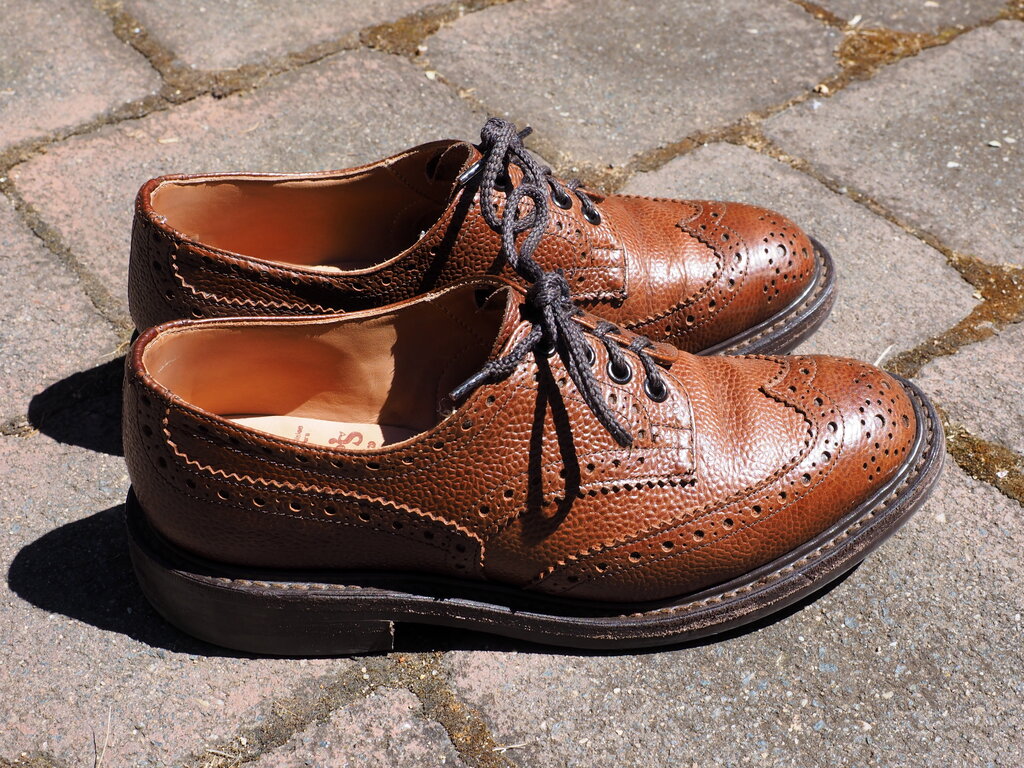
Just below full-grain is top-grain leather. To create it, the very top layer of the hide is lightly sanded to remove blemishes. This process gives it a more uniform, smoother finish than full-grain. While it's not quite as durable, it's still a high-quality, long-lasting material. Top-grain is often used in upscale fashion footwear where a flawless appearance is key.
Then there's genuine leather. The name sounds impressive, but it’s a bit misleading. This type is made from the lower layers of the hide that are left after the top layers are split off for higher-grade leathers. It's less durable and doesn't have the natural grain of full or top-grain. It's a more affordable option, which makes it common in casual, everyday shoes.
A Softer Touch
Not all leather is smooth. Some types are prized for their soft, fuzzy texture. Suede and nubuck are two popular examples, but they're created in different ways.
Suede is made from the underside of the animal hide, which is split and sanded to create a soft, velvety nap. It's not as tough as full-grain or top-grain leather because it lacks the dense outer skin layer. This makes it more susceptible to stains and water damage. Still, its plush texture makes it a favorite for casual footwear like loafers, chukka boots, and sneakers.
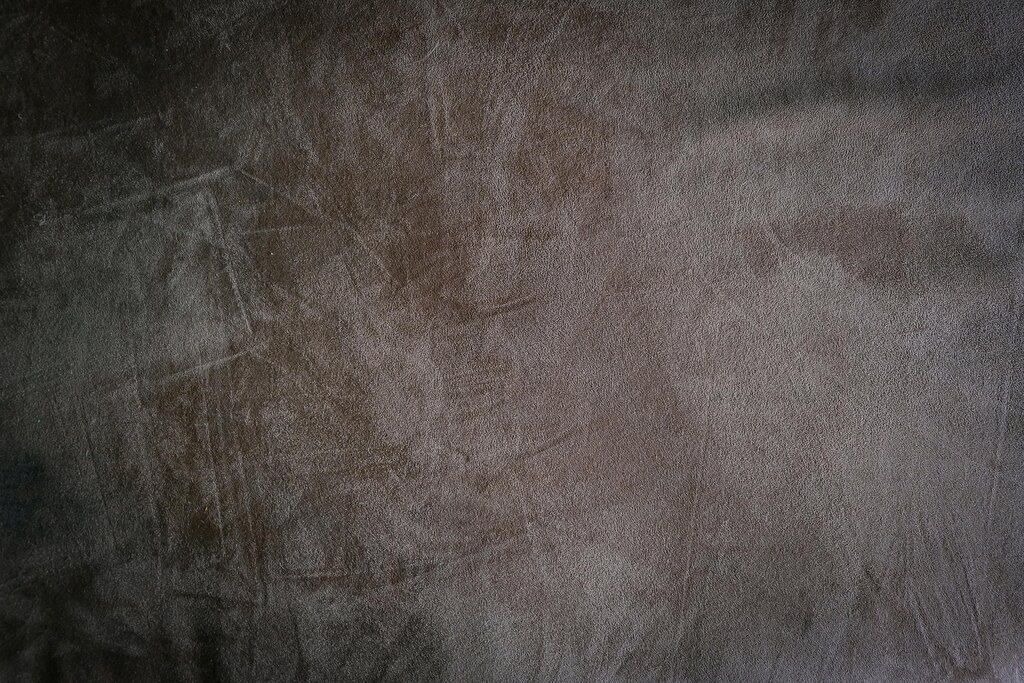
Nubuck looks similar to suede but is actually created from top-grain leather. The outer side of the hide is sanded or buffed to produce a fine, velvet-like surface. Because it's made from the more durable top grain, nubuck is stronger and more resistant to wear than suede. It offers a great balance of softness and strength, making it a popular choice for high-quality casual shoes and hiking boots.
The High-Gloss Finish
For the most formal occasions, patent leather is the star. This type of leather is coated with a finish that gives it a distinctively glossy, reflective surface. The process creates a waterproof and fairly durable exterior, though it can be prone to scuffing and cracking if not cared for.
Its mirror-like shine makes patent leather the standard for formal shoes like tuxedos pumps and elegant heels.
| Leather Type | Source / Process | Key Characteristics | Common Use in Footwear |
|---|---|---|---|
| Full-Grain | Top layer of hide, not sanded | Most durable, breathable, natural grain | Premium dress shoes |
| Top-Grain | Top layer of hide, sanded | Durable, smooth finish | High-end fashion shoes |
| Genuine | Lower layers of hide | Affordable, less durable | Casual shoes |
| Suede | Underside of hide, sanded | Soft, velvety nap, less durable | Loafers, boots, casual sneakers |
| Nubuck | Top-grain hide, sanded on the outer side | Soft, fine surface, durable | Upscale casual shoes, hiking boots |
| Patent | Coated with a high-gloss finish | Shiny, waterproof, formal | Formal shoes (pumps, oxfords) |
Let's review these different types of leather.
Now, check your understanding of leather.
Which grade of leather is considered the highest quality because it comes from the top layer of the hide and has not been sanded or buffed?
True or False: Nubuck is more durable and wear-resistant than suede.
Understanding these different leather types helps you know what you're buying. Each has its place, from rugged boots to elegant dress shoes.